


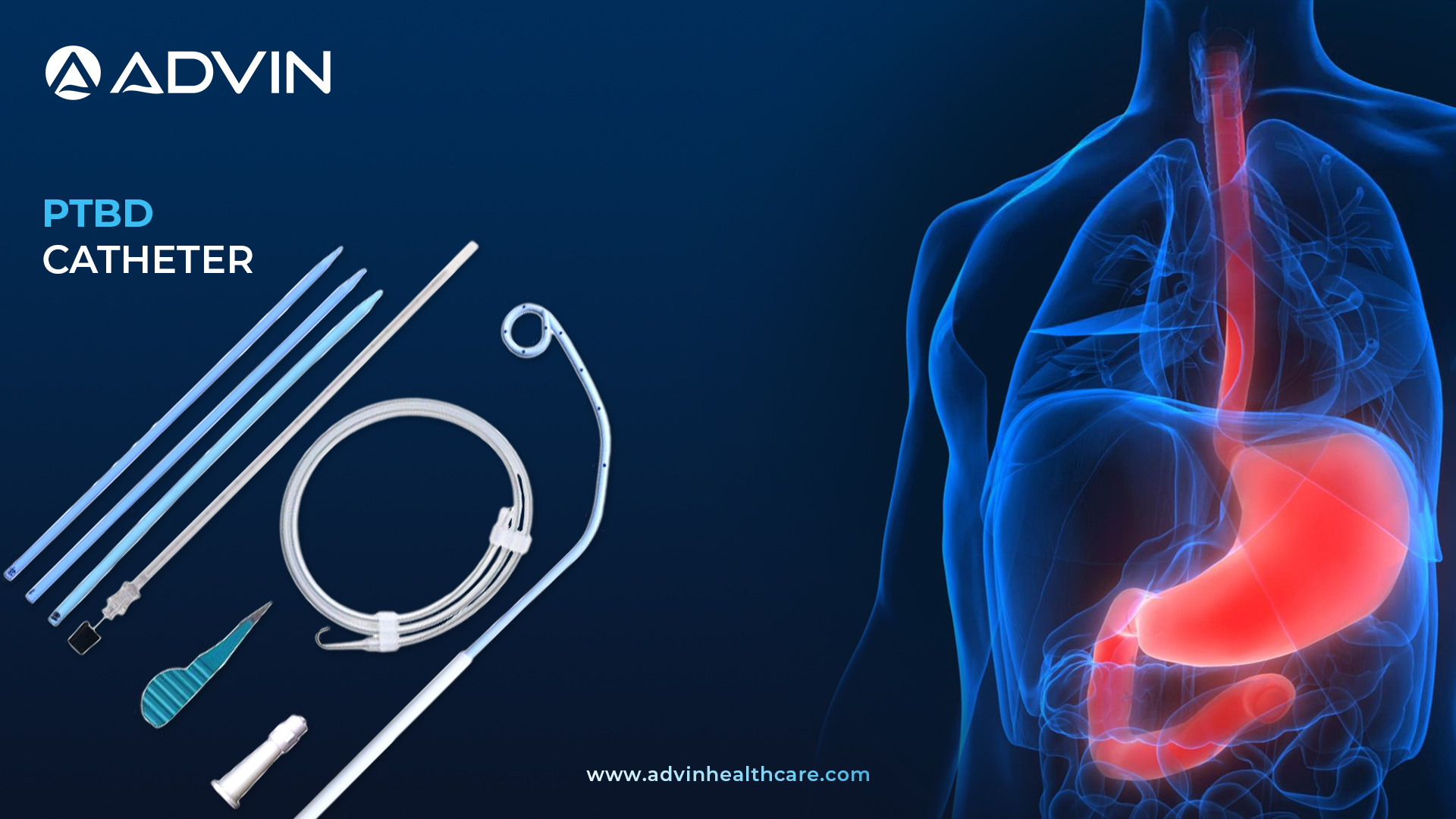
PTBD Catheter - Minimally Invasive Drainage for Complex Biliary Conditions
Understanding the PTBD Catheter
A PTBD Catheter, or Percutaneous Transhepatic Biliary Drainage Catheter, is a tube placed through the skin and into the liver to drain bile when the bile ducts are blocked. It offers relief from symptoms like jaundice and abdominal pain in patients with bile duct obstructions. The catheter ensures bile flows externally or into the intestine, depending on the clinical need.
The Evolution of Biliary Drainage Techniques
The concept of percutaneous biliary drainage began gaining ground in the 1970s as an alternative to surgical interventions. As technology advanced, PTBD became a reliable method for patients with complex or malignant obstructions. With time, catheters evolved to include radiopaque materials, soft tips, and secure locking features. Today, PTBD is a critical option when endoscopic access is not feasible or has failed.
Product Highlights: Advin PTBD Catheter
Advin Health Care manufactures PTBD Catheters that provide dependable and gentle drainage of bile in obstructed patients. Designed with clinical precision, these catheters offer excellent flexibility and radiopacity for accurate placement under imaging. Advin Health Care ensures each catheter is built for smooth navigation through liver tissue with minimal trauma. The catheter’s construction supports both temporary and long-term use, adapting to a wide range of conditions. It helps restore liver function and improves overall patient comfort during treatment.
Where PTBD Catheters Make a Difference
- Percutaneous Biliary Drainage for Liver Tumors
- Non-Endoscopic Biliary Decompression
- Temporary Relief Before Surgical Biliary Reconstruction
- Drainage in Inoperable Bile Duct Cancers
- Post-Surgical Bile Duct Injury Management
Basic Steps for Clinical Use
- Locate the bile duct using ultrasound or fluoroscopy
- Insert the needle through the liver into the duct
- Pass a guidewire, then slide the catheter over it
- Confirm correct position with contrast imaging
- Attach to external drainage or internalize as needed
Why Clinicians Trust PTBD Catheters
- Effective relief of bile duct blockages without surgery
- Ideal for patients who cannot undergo endoscopy
- Minimally invasive with lower complication risk
- Enables drainage and access for future interventions
- Customizable external/internal drainage options
- Reduces liver enzyme levels and infection risks
Often Used Alongside These Devices
- PTBD Needle Set
- Hydrophilic Guide Wire
- Radiopaque Contrast Media
- Biliary Dilator Set
- External Drainage Collection Bag
- Fixation Anchors or Securement Devices
- Locking Pigtail Catheters
Advin Health Care: Reliable PTBD Catheters for Precise Drainage
Advin Health Care is a trusted name in gastroenterology and interventional products, offering high-performance PTBD Catheters that combine clinical reliability with patient-friendly design for effective biliary management.

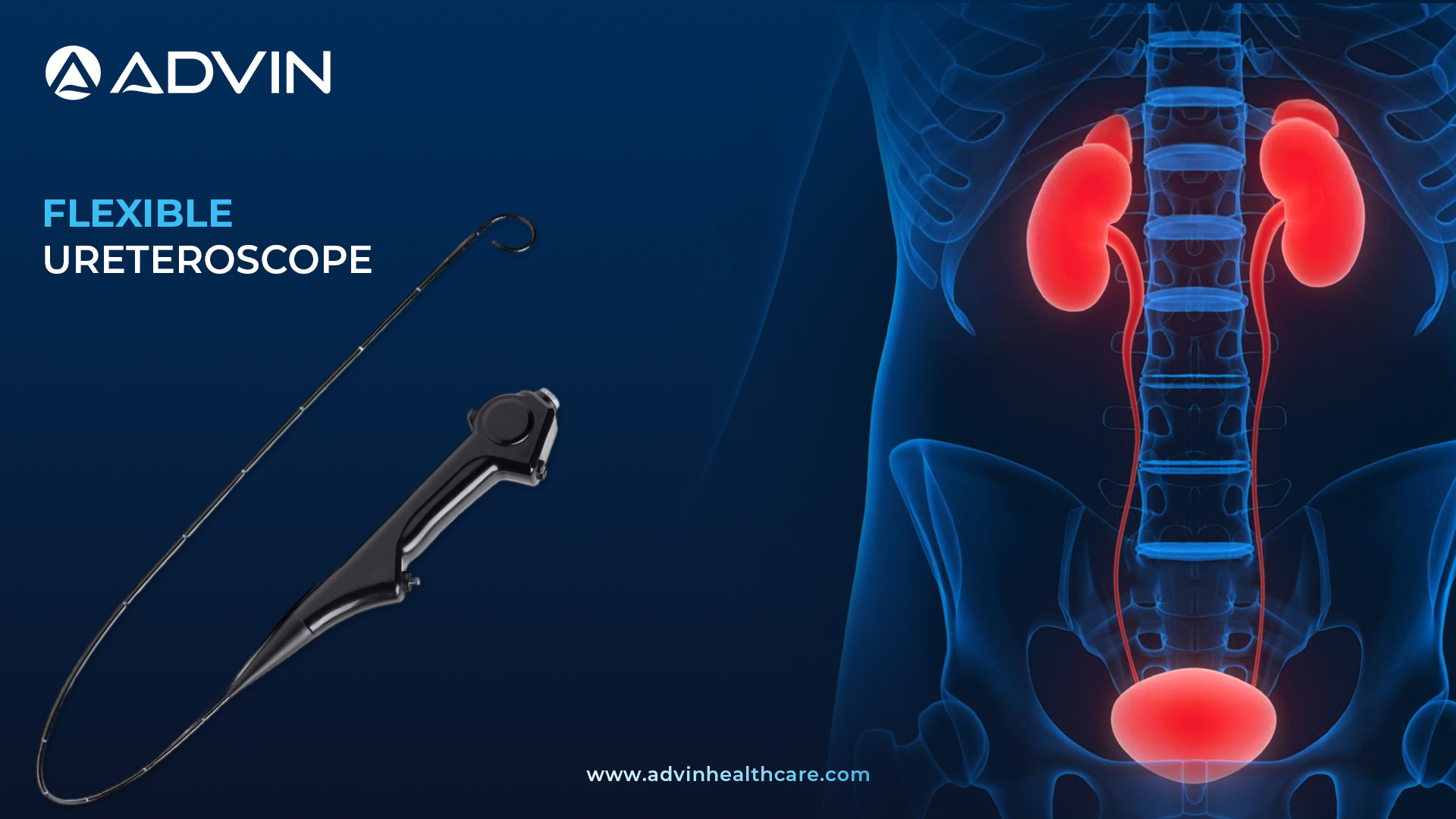
Flexible Ureteroscope – Flexibility Meets Clarity for Advanced Endourology
Introduction to the Flexible Reusable Ureteroscope: Reusable Precision for Advanced Ureteroscopy
A Flexible Reusable Ureteroscope is an advanced endoscopic device used to access and visualize the entire urinary tract, including the renal pelvis and calyces. It features a flexible shaft and deflection capability to navigate the upper ureter and kidney. This device is commonly used in urology for diagnostic and therapeutic procedures.
Development & Innovation: The Evolution of Flexible Reusable Ureteroscopes
Flexible ureteroscopes were developed to overcome the limitations of rigid scopes in accessing the upper urinary tract. Earlier models had limited durability and image quality, but technological improvements have since enhanced their resolution, flexibility, and longevity. Today’s reusable models offer dual deflection, superior optics, and lightweight design. They remain a cornerstone of modern endourology, particularly in kidney stone management and complex intrarenal procedures.
What Is a Flexible Reusable Ureteroscope? A Brief Overview for Clinical Insight
Advin Health Care offers high-quality Flexible Reusable Ureteroscopes built for precision, durability, and reusability in advanced urological procedures. These scopes provide excellent deflection, clear imaging, and smooth navigation to reach the upper urinary tract with ease. With a working channel compatible with baskets, laser fibers, and graspers, the scope supports a wide range of interventions. Advin Health Care ensures the instrument is ergonomically designed and Autoclavable for repeated safe use. It’s ideal for hospitals and urologists seeking cost-effective, high-performance equipment for Intrarenal access.
Clinical Applications: Precision Navigation for Stones, Strictures & Upper Tract Urology
- Retrograde Intrarenal Surgery (RIRS)
- Flexible Ureteroscopy for Kidney Stones
- Upper Tract Urothelial Carcinoma Evaluation
- Ureteral Stricture Inspection
- Laser Lithotripsy Procedures
How to Use a Flexible Reusable Ureteroscope: Operational Guide for Urologists
- Sterilize the scope before each use
- Connect to a compatible light source and camera system
- Insert a safety guide wire and/or ureteral access sheath
- Gently advance the scope into the ureter and kidney under direct vision
- Use working channel to insert treatment instruments such as laser fibers or baskets
Frequently Used Product Combination
- Ureteral Access Sheath
- Holmium Laser Fiber
- Stone Retrieval Basket
- Irrigation Pump
- Nitinol Guide wire
- Ureteral Balloon Dilator
- Ureteral Stent
- Light Source and HD Camera System
Advin Flexible Reusable Ureteroscope Description
- Advin Health Care is a leading manufacturer of Flexible Reusable Ureteroscope, offering durable and advanced instruments for efficient, safe, and repeatable access to the upper urinary tract.
- The Flexible Video Ureteroscope by Advin Health Care is engineered for cutting-edge digital visualization and precise urological access. With its integrated high-resolution video system and superior deflection capabilities, this scope supports a wide range of therapeutic and diagnostic procedures within the upper urinary tract — including laser lithotripsy, biopsies, and stricture management.
- Its ultra-thin design, exceptional image clarity, and enhanced maneuverability offer superior access to even the most difficult-to-reach renal calyces, all while ensuring patient safety and surgeon comfort.
Technical Specifications
| Parameter | Specification |
| Scope Type | Flexible Video Ureteroscope |
| Outer Diameter | 8.5 Fr |
| Working Channel | 3.6 Fr |
| Working Length | 670 mm |
| Deflection Range | 275° Up / 275° Down |
| Field of View | 120° |
| Direction of View | 0° (Straight Ahead) |
| Image System | Built-in Digital CMOS |
| Irrigation Port | Yes, with Continuous Flow Capability |
| Light Source | Integrated LED or External Fiber-Optic |
| Camera Connection | Direct Video Output to Monitor/Processor |
| Sterilization Method | ETO or as per system compatibility |
| Usage | Reusable |
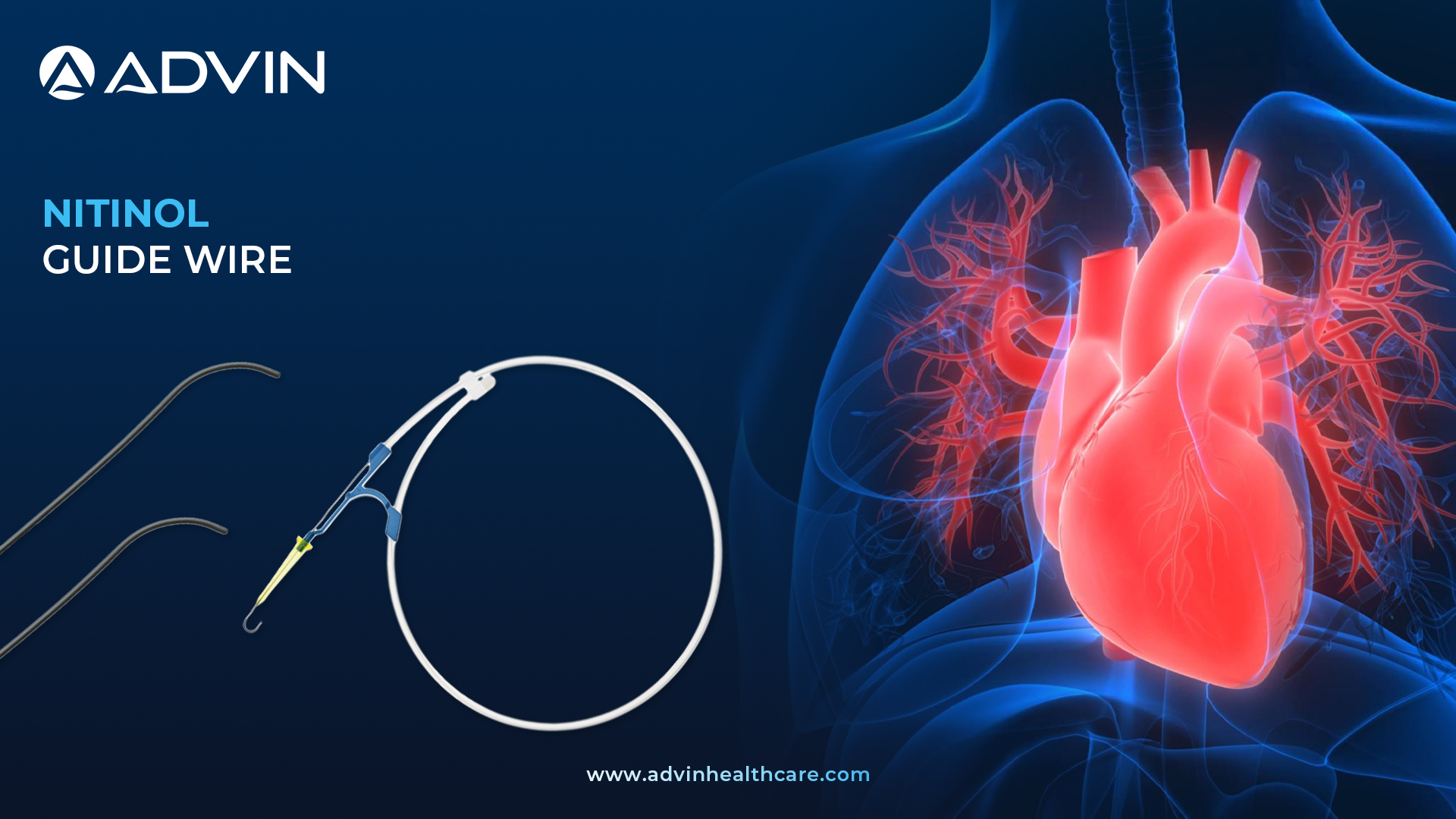
Nitinol Guide Wire – Superelastic Performance for Challenging Vascular Pathways.
Nitinol Guide Wire
A Nitinol Guide Wire is a flexible wire made from a nickel-titanium alloy used in cardiovascular procedures. It helps doctors navigate catheters or other instruments through blood vessels. Its shape memory and flexibility make it ideal for challenging pathways inside the body.
Development and Evolution
Nitinol Guide Wires were developed after the discovery of the Nitinol alloy in the 1960s by the U.S. Naval Ordnance Laboratory. Their medical use started in the late 20th century, particularly in interventional cardiology. Over time, improvements in wire coating and core design increased their safety and efficiency. Today, they are a standard in many minimally invasive cardiovascular procedures.
Engineered for Precision in Complex Anatomies
Advin Health Care offers high-quality Nitinol Guide Wires that provide excellent flexibility and torque control during cardiovascular procedures. These guide wires are especially effective in navigating complex or tortuous vessels due to their shape memory properties. Advin Health Care ensures each guide wire is manufactured with precision for optimal performance and reliability. The smooth surface and hydrophilic coating help reduce friction and enhance vessel access. This product is a reliable tool for both diagnostic and therapeutic interventions in cardiology.
Common Medical Applications
- Coronary angioplasty (PCI)
- Cardiac catheterization
- Peripheral artery interventions
- Electrophysiology procedures
- Stent placements
- Thrombectomy procedures
- Balloon angioplasty
- Chronic total occlusion (CTO) procedures
Usage Guidelines
- Inspect the packaging and guide wire before use.
- Gently insert the wire into the introducer sheath or catheter.
- Advance slowly while observing under fluoroscopy.
- Do not force the guide wire through resistance.
- Remove and replace the wire if any damage or deformation is noted.
Clinical Advantages
- Allows precise navigation through complex vascular pathways
- Minimizes vessel trauma due to flexible design
- Enhances catheter support and device placement accuracy
- Reduces procedure time with smooth advancement
- Compatible with various diagnostic and therapeutic catheters
Alternate Product Names
Nitinol guidewire, flexible guide wire, cardiovascular guide wire, nitinol wire for angioplasty, interventional guide wire, nitinol PTCA wire, shape memory guide wire, coronary guide wire, hydrophilic nitinol wire, nitinol support wire
Advin Nitinol Guide Wire Expertise
Advin Health Care is a leading manufacturer of Nitinol Guide Wires, offering advanced designs that support safe and efficient navigation during cardiovascular procedures.
Advanced Features by Advin Health Care
- Highly maneuverable and kink resistant
- Radiopaque tip
- Super flexibility
- Individually packaged
- Sterile and for single use
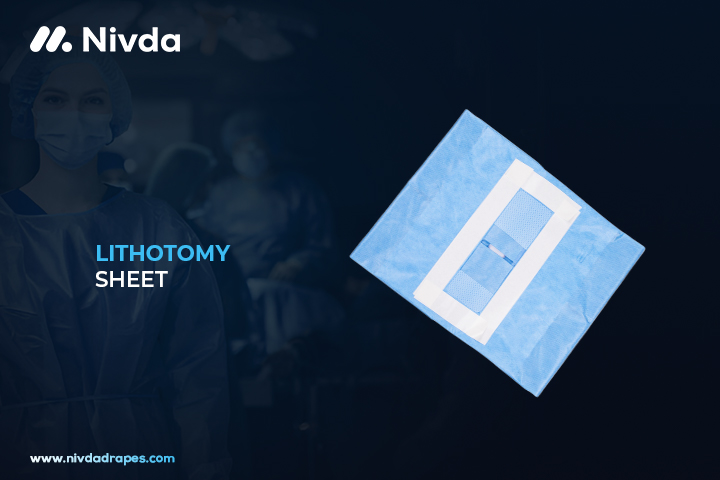
Lithotomy Sheet
Lithotomy Sheet
A Lithotomy Sheet is a sterile surgical drape used during gynaecological, urological, and rectal procedures. It covers the lower part of the patient’s body while providing an opening for access to the surgical site. This sheet helps maintain a sterile field and ensures patient privacy during procedures.
Background & Evolution
Lithotomy Sheets have been used in hospitals for decades to support safe and hygienic surgical environments. Over time, their design has evolved to include improved absorbent materials and fenestration zones. These sheets are now commonly made with fluid-resistant fabric and adhesive borders for secure placement. Hospitals prefer disposable versions for better infection control.
Lithotomy Sheet – Precise Draping for Gynecological and Urological Procedures
Nivda Drapes are known for producing high-quality Lithotomy Sheets used in a wide range of pelvic surgeries. These sheets are designed to provide excellent coverage, fluid control, and patient comfort. Nivda Drapes also include secure adhesive edges to prevent shifting during procedures. The materials used are soft, breathable, and compliant with surgical standards. These features help ensure safety and efficiency during surgeries.
Application Instructions
- Open the sterile Lithotomy Sheet package in the operating room.
- Identify the designated fenestration (opening) area.
- Drape the sheet over the patient’s lower body, aligning the fenestration with the surgical site.
- Secure the adhesive edges to prevent slippage.
- Adjust for optimal coverage and patient comfort.
Medical Advantages
- Maintains a sterile barrier to reduce surgical site infections
- Provides effective fluid absorption and containment
- Enhances surgical team efficiency with easy positioning
- Increases patient comfort and modesty during procedures
- Minimizes setup time with pre-folded and clearly marked designs
Product Also Known As
Lithotomy drape, urology drape sheet, gynaecology surgical sheet, pelvic procedure drape, Nivda lithotomy drape, surgical lithotomy cover, sterile pelvic drape, obstetric lithotomy sheet
Global Demand Outlook
Lithotomy Sheets are in consistent demand due to the high frequency of gynecological, urological, and colorectal procedures worldwide. The shift toward disposable, single-use drapes has grown significantly in both developed and developing countries to reduce infection risks. Increasing emphasis on hospital-acquired infection prevention and patient comfort has driven innovation in drape materials and design. Hospitals are now prioritizing pre-assembled surgical drape kits that include Lithotomy Sheets for improved efficiency.
About Nivda Lithotomy Sheet
Nivda Drapes is a leading manufacturer of Lithotomy Sheets used in pelvic and lower abdominal surgeries, offering dependable protection, excellent fluid control, and patient-focused design in surgical settings. Each sheet is crafted with high-quality, fluid-resistant materials to maintain a sterile environment and reduce the risk of contamination. Nivda Lithotomy Sheets are designed for easy application, secure fit, and enhanced patient coverage, ensuring safety and efficiency in every procedure. Trusted by surgeons and hospitals worldwide, they meet international standards for performance and reliability. With a focus on innovation and user comfort, Nivda continues to set benchmarks in surgical drape solutions.
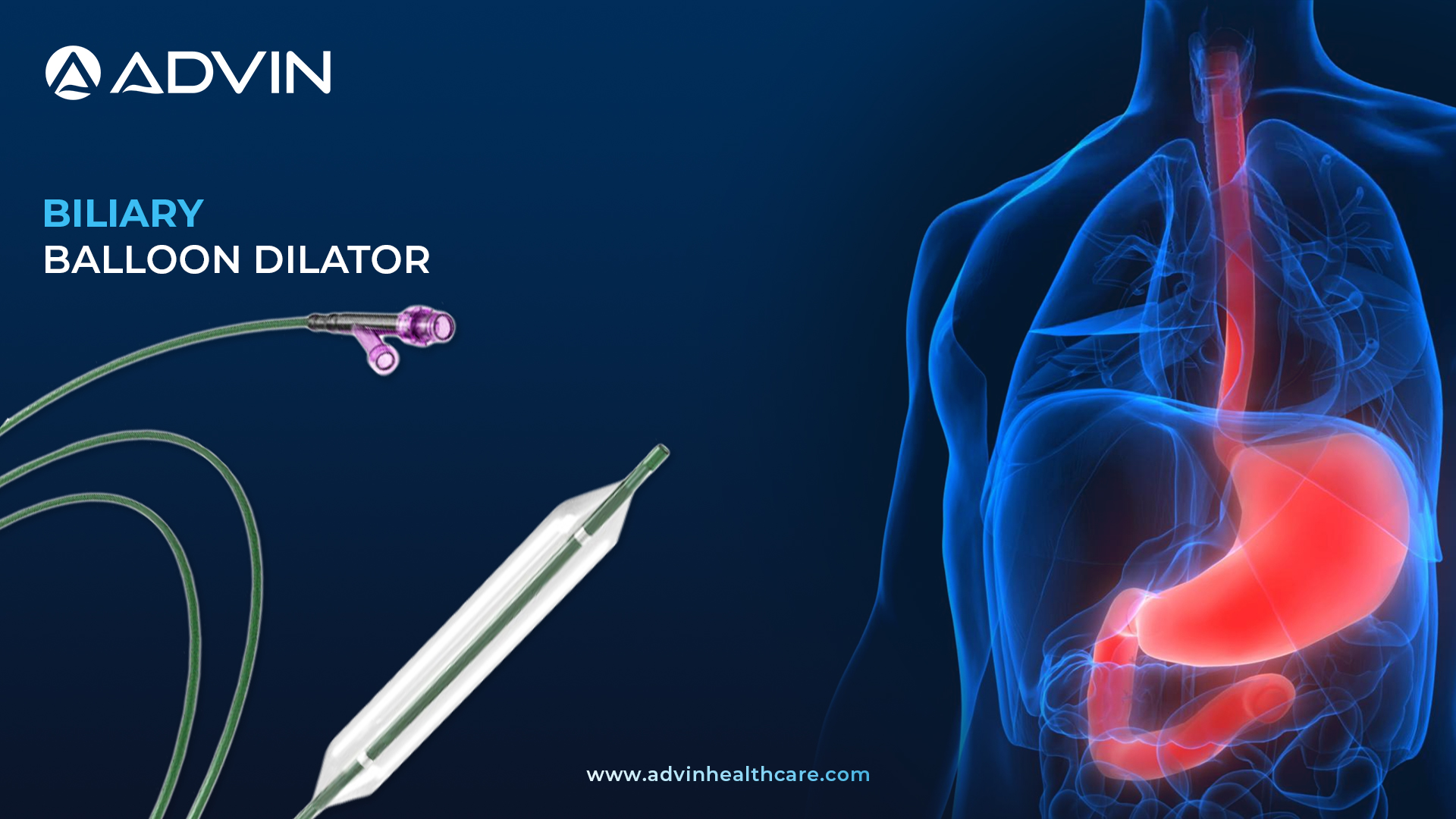
Biliary Balloon Dilator by Advin - Engineered for Accuracy
Understanding the Tool: Purpose of the Dilator in ERCP
A Biliary Balloon Dilator is a medical device used to widen narrowed areas in the bile ducts during endoscopic procedures. It is introduced through an endoscope during ERCP (Endoscopic Retrograde Cholangiopancreatography). This tool helps improve bile flow by gently expanding strictures in the biliary tract.
The Journey of the Balloon Dilator in GI Procedures
Biliary dilation techniques have evolved significantly since the early days of open surgery. The introduction of balloon dilators during ERCP has made the procedure minimally invasive and more precise. Over time, balloon quality and inflation control have improved to reduce complications. These advancements have led to safer and more effective biliary stricture management worldwide.
A Closer Look at the Product
Advin Health Care provides Biliary Balloon Dilators that are built for precision and high performance during ERCP procedures. Designed with a hydrophilic coating, the dilator ensures smooth navigation through the scope. Radiopaque markers enhance visibility under X-ray, ensuring accurate placement. Each balloon is built to resist high pressure, offering controlled and reliable dilation. Advin Health Care guarantees sterile, single-use quality with individually packed units for maximum safety.
Surgeries using Biliary Balloon Dilator
- ERCP (Endoscopic Retrograde Cholangiopancreatography)
- Biliary Stricture Dilation
- Stone Removal Assistance
- Pre-stenting Biliary Procedures
- Bile Duct Obstruction Relief
Quick Use Instructions
- Prepare the balloon by flushing with saline
- Insert the dilator through the endoscope channel
- Position it across the stricture under fluoroscopic guidance
- Inflate the balloon to the required pressure level
- Hold for recommended duration, then deflate and withdraw
Commonly Used Terms for the product
ERCP Balloon Dilator, Biliary Dilation Balloon, Bile Duct Dilating Balloon, High-Pressure Biliary Balloon, Endoscopic Balloon Catheter
Commonly Paired Instruments in ERCP
During ERCP procedures, the Biliary Balloon Dilator is often used alongside essential tools to ensure precise and safe outcomes. A guide wire helps in accurate placement, while the ERCP cannula facilitates access to the bile duct. Contrast media is used to visualize the duct under imaging. Sphincterotomes assist in cutting or enlarging the duct opening, and biliary stents are placed post-dilation to maintain duct patency. For stone-related cases, a stone extraction basket is commonly added.
Advin Biliary Balloon Dilator Description
Advin Health Care is a leading manufacturer of Biliary Balloon Dilators, offering high-performance, sterile, and single-use devices designed for effective dilation during ERCP procedures.
Enhanced Design Features:
- Hydrophilic coating for smooth insertion
- Radiopaque marker for precise X-ray visibility
- High-pressure resistance with accurate dilation
- Sterile, single-use, and individually packed for safety
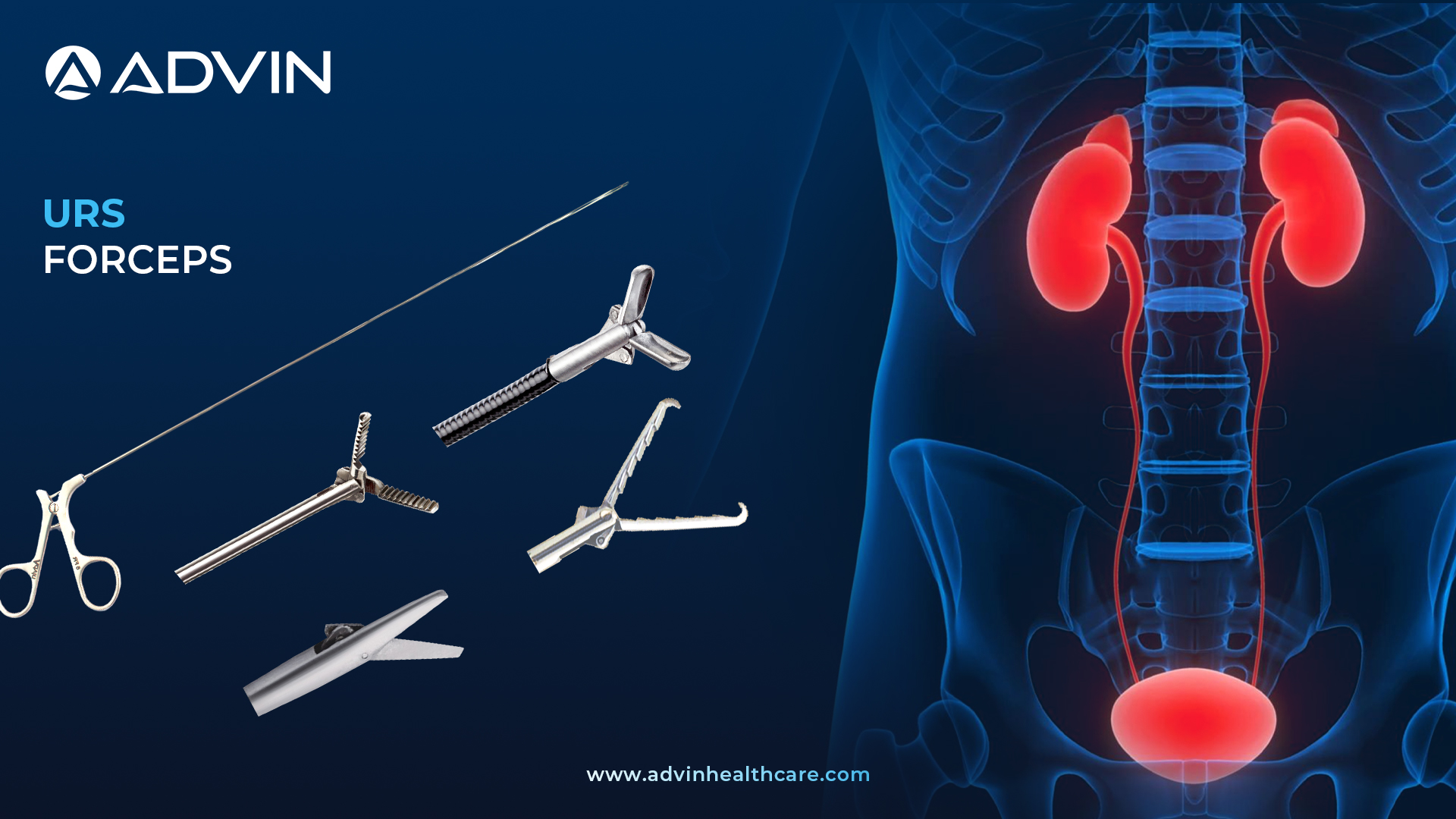
Endoscopic URS Forceps Set – Ergonomic Design with Flat, Alligator, and Multi-Prong Tips for Ureteroscopic Use
Introduction to URS Forceps: Precision Instruments for Ureteroscopic Stone Management
URS Forceps are surgical instruments used during Ureteroscopy to grasp, hold, and remove stones or foreign bodies from the urinary tract. These forceps are introduced through the working channel of an ureteroscope. They are available in various jaw types depending on surgical needs.
Design Evolution: Advancements in URS Forceps for Modern Endourology
URS Forceps were developed as part of the evolution of Endourological procedures to manage ureteral and renal calculi. Early models were rigid and basic, but modern forceps are more refined, with improved grip and minimally traumatic tips. Over the years, multiple jaw designs have been introduced to handle different sizes and types of stones. These forceps now play a vital role in stone retrieval and diagnostic Ureteroscopy worldwide.
Overview: What Are URS Forceps and Why Are They Essential in Ureteroscopy?
Advin Health Care offers a complete range of URS Forceps designed for safe and effective stone retrieval during Ureteroscopy. These include Flat Jaw, Alligator, Tripronge, and Fourpronge Forceps—each tailored to specific clinical scenarios. Advin Health Care ensures each type is manufactured with precision stainless steel for optimal durability, grip, and maneuverability. The forceps are compatible with both semi-rigid and flexible ureteroscopes. Their ergonomic design and precise control make them essential tools in Endourological procedures.
Surgical Applications: Clinical Use of URS Forceps in Stone Retrieval & Foreign Body Extraction
- Ureteroscopy (URS) for Kidney and Ureteral Stones
- Foreign Body Removal from Ureter
- Diagnostic Ureteroscopy
- Biopsy Retrieval from Ureter or Renal Pelvis
How to Use URS Forceps
- Sterilize the forceps before each procedure
- Choose the appropriate jaw type for the surgical need
- Insert through the working channel of the ureteroscope
- Advance carefully under direct visualization
- Use jaws to grasp and retrieve stone or tissue
Common Product Combinations: Instruments Frequently Used with URS Forceps
- Semi-Rigid Ureteroscope
- Flexible Ureteroscope
- Holmium Laser Fiber
- Ureteral Access Sheath
- Stone Retrieval Basket
- Guide wire
- Irrigation Pump
- Ureteral Balloon Dilator
Advin URS Forceps: Key Features, Types (Alligator, Four-Prong, etc.) & Technical Specifications
Advin Health Care is a leading manufacturer of URS Forceps, offering a complete range including Flat Jaw, Alligator, Tripronge, and Fourpronge types, designed to support safe and effective stone retrieval in modern urology.
Advin Health Care is a trusted manufacturer of a wide range of URS (Ureteroscopy) Forceps, engineered with international quality standards for use in endourological procedures. These forceps are primarily designed for stone retrieval, biopsy, and cutting applications within the ureter and renal pelvis, especially post-Lithoclast procedures.
Our URS Forceps product family includes
- URS Alligator Forceps
- URS Tripronge Forceps
- URS Fourpronge Forceps
- URS Flat Jaw Forceps
- URS Scissor Forceps
- URS Biopsy Forceps
Each model is tailored to specific clinical needs — whether you require powerful grip (Tripronge/Fourpronge), fine cutting (Scissor), or diagnostic sampling (Biopsy).
Key Features
- Durable stainless-steel construction
- Anti-corrosive and rust-resistant finish
- Smooth and precise operation
- Ergonomically designed for better control
- Compatible with standard ureteroscopes
- High performance and cost-effective
Whether it’s the secure grip of Tripronge/Fourpronge jaws, the cutting accuracy of Scissor Forceps, or the multi-purpose functionality of Alligator and Biopsy Forceps, Advin’s URS range offers superior outcomes in urological procedures.
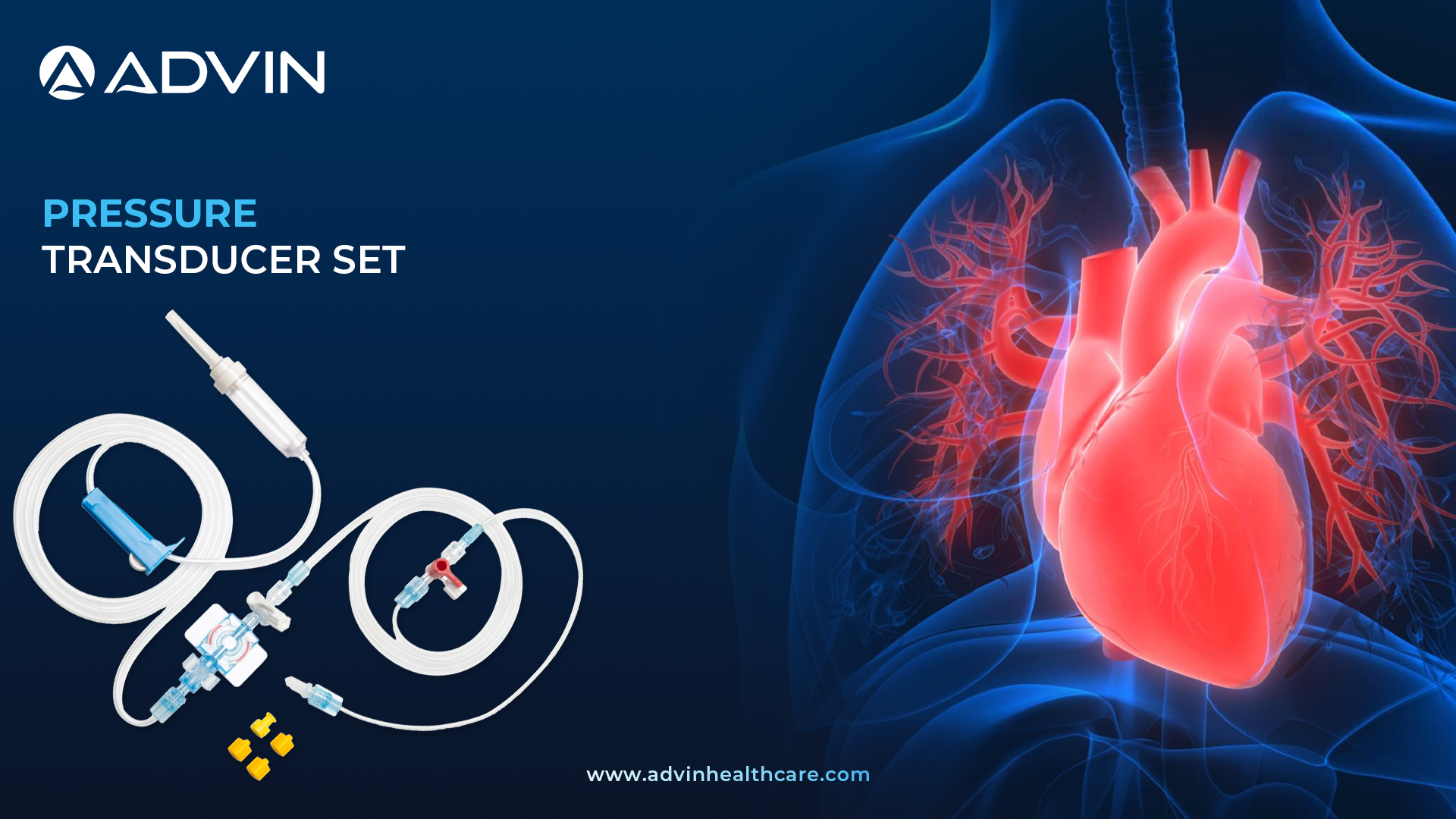
Pressure Transducer Set – Designed for Stability and Consistent Performance
Pressure Transducer Set
A Pressure Transducer Set is a medical device used to monitor real-time blood pressure inside arteries. It converts pressure signals into electrical signals for display on a monitor. This set is commonly used in operating rooms, ICUs, and during cardiac catheterization.
Product History:
Pressure transducers have been in medical use since the 1970s, evolving from bulky analog systems to compact digital units. Early models were less accurate and more prone to signal drift. Modern pressure transducer sets are highly sensitive and reliable, offering precise data during critical procedures. They are now standard in cardiac and intensive care settings.
Engineered for Precision in Every Measurement
Advin Health Care provides high-quality Pressure Transducer Sets designed for accurate blood pressure monitoring in clinical settings. These sets offer reliable readings during surgeries and intensive care, ensuring patient safety. The design includes a flush device, pressure line, and transducer with a cable connector. Advin Health Care ensures compatibility with most bedside monitors and catheter systems. The product is easy to use, sterile-packed, and meets international medical standards.
Surgeries Related to Product:
- Coronary artery bypass graft (CABG) surgery
- Cardiac catheterization
- Valve replacement surgery
- Heart transplant procedures
- Aortic aneurysm repair
- Neurosurgery (when intracranial pressure monitoring is required)
- Organ transplantation
- High-risk trauma surgeries
- Pulmonary artery catheter placement
- Critical care monitoring in ICUs
Instructions for Use:
- Unpack the sterile Pressure Transducer Set carefully.
- Connect the transducer to the monitor cable.
- Prime the pressure line with saline or flush solution to remove air.
- Connect the line to the appropriate arterial or venous catheter.
- Zero the transducer at the phlebostatic axis before starting monitoring.
Top 10 Countries of Surgeries:
- United States
- China
- India
- Germany
- Brazil
- Japan
- United Kingdom
- France
- South Korea
- Italy
Clinical Benefits:
- Enables continuous, real-time blood pressure monitoring.
- Improves clinical decision-making during high-risk procedures.
- Reduces the risk of complications through accurate readings.
- Facilitates early detection of hemodynamic changes.
- Compatible with a wide range of monitoring systems.
- Supports quick response in critical care environments.
Advin Pressure Transducer Set Description:
Advin Health Care is a leading manufacturer of Pressure Transducer Sets designed for precise and safe blood pressure monitoring during critical procedures.
Features – Pressure Transducer Set by Advin Health Care
- Streamlined Flow-Through Capillary Design
- Easy Priming with a Straight Fluid Path
- Pre-Calibrated Sensors for Instant Accuracy
- Universal 3-Way Stopcock Compatibility
- Sterile, Single-Use Design
- Clear Tubing with Color-Coded Lines
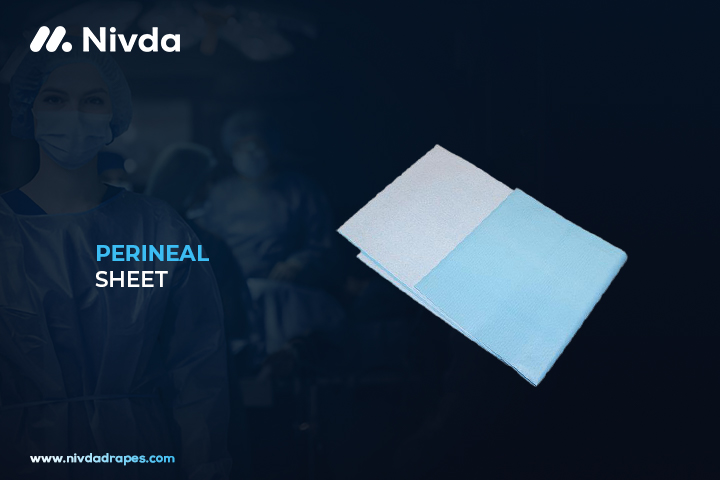
Perineal Sheets
Perineal Sheet
A perineal sheet is a sterile surgical drape used during gynecological and urological procedures. It is designed to cover the patient while allowing access to the perineal area. The sheet helps maintain a sterile field and reduces the risk of infection.
Product History
Perineal sheets have been used in hospitals for many years to improve surgical safety. Over time, their design has evolved to include better absorbency and anatomical fit. Modern perineal sheets are now made with fluid-repellent materials for increased protection. They are widely accepted in surgical standards across the globe.
Perineal Sheet – Targeted Draping for Safe and Sterile Perineal Access
Nivda Drapes perineal sheets are specially designed for optimal coverage and protection during perineal surgeries. These drapes include adhesive zones and fluid collection pouches to manage bodily fluids effectively. Nivda Drapes offers high-quality materials that reduce contamination risks and improve patient outcomes. Their user-friendly design saves setup time and enhances surgical efficiency. Hospitals trust Nivda Drapes for consistent sterility and surgical reliability.
Applicable Surgical Procedures
- Vaginal hysterectomy
- Urethral surgery
- Proctological procedures
- Episiotomy repair
- Pelvic floor reconstruction
- Transvaginal mesh placement
- Urethral sling procedures
- Rectovaginal fistula repair
Clinical Benefits / Key Clinical Advantages
- Maintains a sterile field throughout the procedure
- Minimizes fluid exposure and cross-contamination
- Increases surgical visibility in the perineal area
- Enhances patient safety and reduces infection risks
- Saves surgical setup time with integrated design
Frequently Used Product Combination / Commonly Paired Instruments
- Sterile gloves
- Vaginal speculum
- Surgical light handle cover
- Suction device with tubing
- Foley catheter tray
- Surgical gown
- Leg holders or stirrups
Nivda Perineal Sheet Description / Nivda Perineal Sheet Profile
Nivda Drapes is a leading manufacturer of perineal sheets designed for safe, sterile, and efficient coverage during perineal surgeries. Each sheet is made from high-quality, fluid-repellent materials that protect both patients and medical staff from contamination. The sheets feature anatomically designed openings and adhesive borders to ensure secure placement and easy handling during procedures. They are suitable for a variety of gynecological and urological surgeries where maintaining a sterile environment is essential. Trusted by hospitals and surgical centers worldwide, Nivda Drapes consistently delivers reliable products that prioritize patient safety and surgical efficiency.
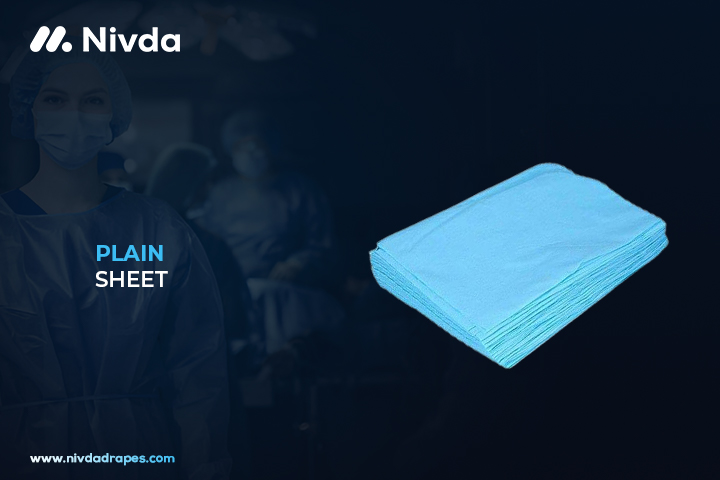
Cesarean Drape
Cesarean Drape
The Cesarean Drape is a sterile surgical drape used during C-section procedures to maintain a clean and safe environment. It covers the patient while allowing access to the surgical site. This drape helps reduce infection risk and keeps the surgical area isolated.
Product History
Cesarean Drapes have been used in hospitals for decades as part of efforts to improve surgical hygiene. Over time, the design has evolved to include fluid control features and improved materials. Manufacturers like NIVDA have contributed to better safety and ease of use in operating rooms. Today, Cesarean Drapes are essential in all modern obstetric surgeries.
Cesarean Drape – Secure, Sterile, and Designed for Every C-Section
NIVDA Drapes Cesarean Drapes are designed specifically for C-section procedures, offering full-body coverage and a surgical-grade fenestration area. These drapes are fluid-resistant and include pouch systems to collect bodily fluids during the operation. NIVDA Drapes are made from non-woven, breathable material to ensure patient comfort and safety. Their clear anaesthesia screen allows for visibility while maintaining a sterile field. The product is widely used in maternity wards and delivery units around the world.
Surgeries Related to Product
- Cesarean Section (C-Section)
- Emergency Cesarean Delivery
- Repeat Cesarean Surgery
- Low Transverse Cesarean Section
- Cesarean Hysterectomy (in special cases)
- Complicated Vaginal Delivery Conversion to C-Section
Instructions for Use
- Remove the sterile Cesarean Drape from its packaging using aseptic technique.
- Drape the patient by positioning the fenestration area over the surgical site.
- Secure the drape using adhesive strips to maintain position during surgery.
- Ensure fluid collection pouches are properly aligned and open.
- Dispose of the drape safely after the procedure, following hospital protocols.
Top 10 Countries of Surgeries
- India
- China
- United States
- Brazil
- Indonesia
- Russia
- Mexico
- Pakistan
- Nigeria
- Turkey
NIVDA Cesarean Drape Description
NIVDA Drapes is a leading manufacturer of Cesarean Drapes, providing high-quality surgical draping solutions trusted by hospitals and maternity clinics worldwide.
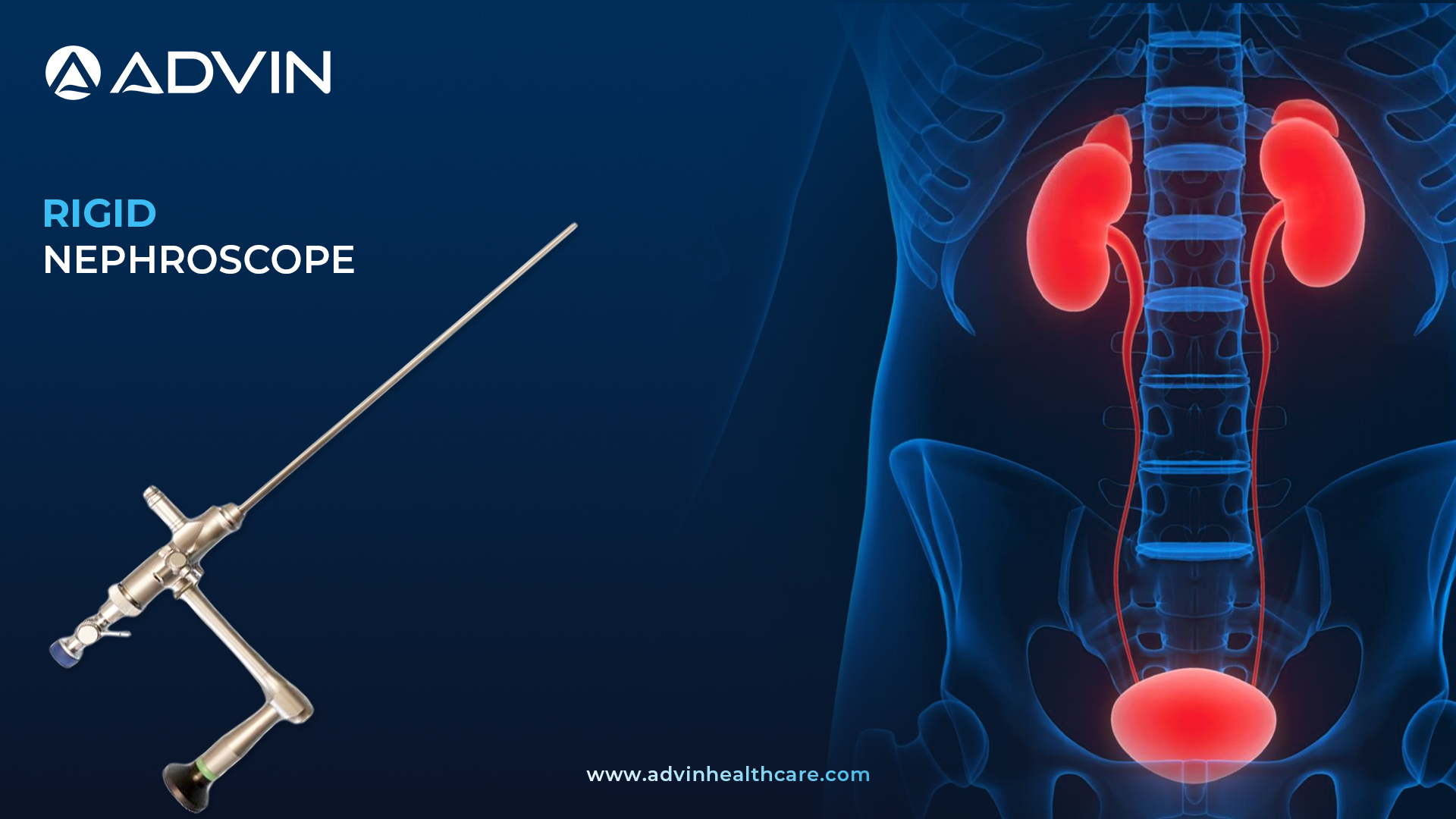
Rigid Nephroscope – Engineered for Accurate Navigation and Efficient Lithotripsy
Introduction to the Rigid Nephroscope: Direct Access for Precision Renal Surgery
A Rigid Nephroscope is a surgical instrument used to examine and treat conditions inside the kidney during percutaneous Nephrolithotomy (PCNL). It consists of a rigid telescope with a working channel to allow insertion of instruments. This scope provides clear visualization and access to kidney stones and other renal structures.
Technological Evolution of the Rigid Nephroscope: Advancing PCNL Efficiency
Rigid Nephroscope have evolved as a central tool in PCNL procedures since the 1980s. Initially developed for direct access to large kidney stones, the device has since been refined with improved optics, irrigation systems, and lightweight design. It has contributed significantly to reducing the need for open kidney surgeries. The rigid design continues to be favored for its stability, simplicity, and durability in complex renal procedures.
What is a Rigid Nephroscope? A Brief Overview for Clinical Applications
Advin Health Care offers premium-quality Rigid Nephroscope for effective use in PCNL and other kidney-related surgeries. The scope is designed with excellent optical clarity and a robust metallic body for consistent performance. It includes a working channel to accommodate instruments like forceps, laser fibers, and stone retrieval baskets. Advin Health Care ensures compatibility with standard camera and light source systems for efficient operation. The rigid nephroscope is ideal for removing large renal stones with minimal trauma.
Surgical Procedures Utilizing Rigid Nephroscope: Focused Access for Kidney Stone Removal
- Percutaneous Nephrolithotomy (PCNL)
- Kidney Stone Removal
- Renal Pelvic Mass Biopsy
- Intrarenal Foreign Body Extraction
How to Use a Rigid Nephroscope
- Sterilize the nephroscope before use
- Connect it to a compatible light source and camera system
- Insert through an access tract created via PCNL
- Use continuous irrigation for clear visibility
- Introduce instruments like graspers or baskets via the working channel
Market Trends & Demand: Rigid Nephroscope Usage in Modern Urological Surgery
The Rigid Nephroscope remains in high demand globally due to the growing prevalence of kidney stones, especially in countries with hot climates and high dehydration rates. PCNL is a gold-standard treatment for large renal calculi, and rigid nephroscope are essential for this minimally invasive technique. While flexible technologies are emerging, rigid nephroscope are still preferred for their cost-effectiveness, strong performance, and ease of use in developing healthcare systems. The global trend is toward integrating HD visualization and improving ergonomics for better outcomes.
Advin Rigid Nephroscope: Product Features, Optical Performance & Technical Specifications
- Advin Health Care is a leading manufacturer of Rigid Nephroscope, delivering robust, high-precision scopes for efficient and safe access to the kidney during PCNL and related urological surgeries.
- The Rigid Nephroscope by Advin Health Care is expertly engineered for precision, durability, and optimal visualization during Percutaneous Nephrolithotomy (PCNL) procedures. Designed for direct access to the renal pelvis and calyces, this instrument allows urologists to effectively treat large or complex kidney stones.
- Manufactured with high-grade stainless steel and rod lens optics, our nephroscope ensures bright, clear, and distortion-free images. It is compatible with various working elements like graspers, laser fibers, and stone retrieval forceps — making it a must-have for Endourological suites.
Key Features
- High-resolution optics for superior intra-renal visualization
- Multiple sizes available to suit adult and pediatric cases
- Rugged, reusable design with long product life cycle
- Wide working channel compatible with stone graspers and laser probes
- Ergonomic, surgeon-friendly control and handling