


Understanding Colonoscopy - A Simple Guide for Better Digestive Health
Understanding Colonoscopy
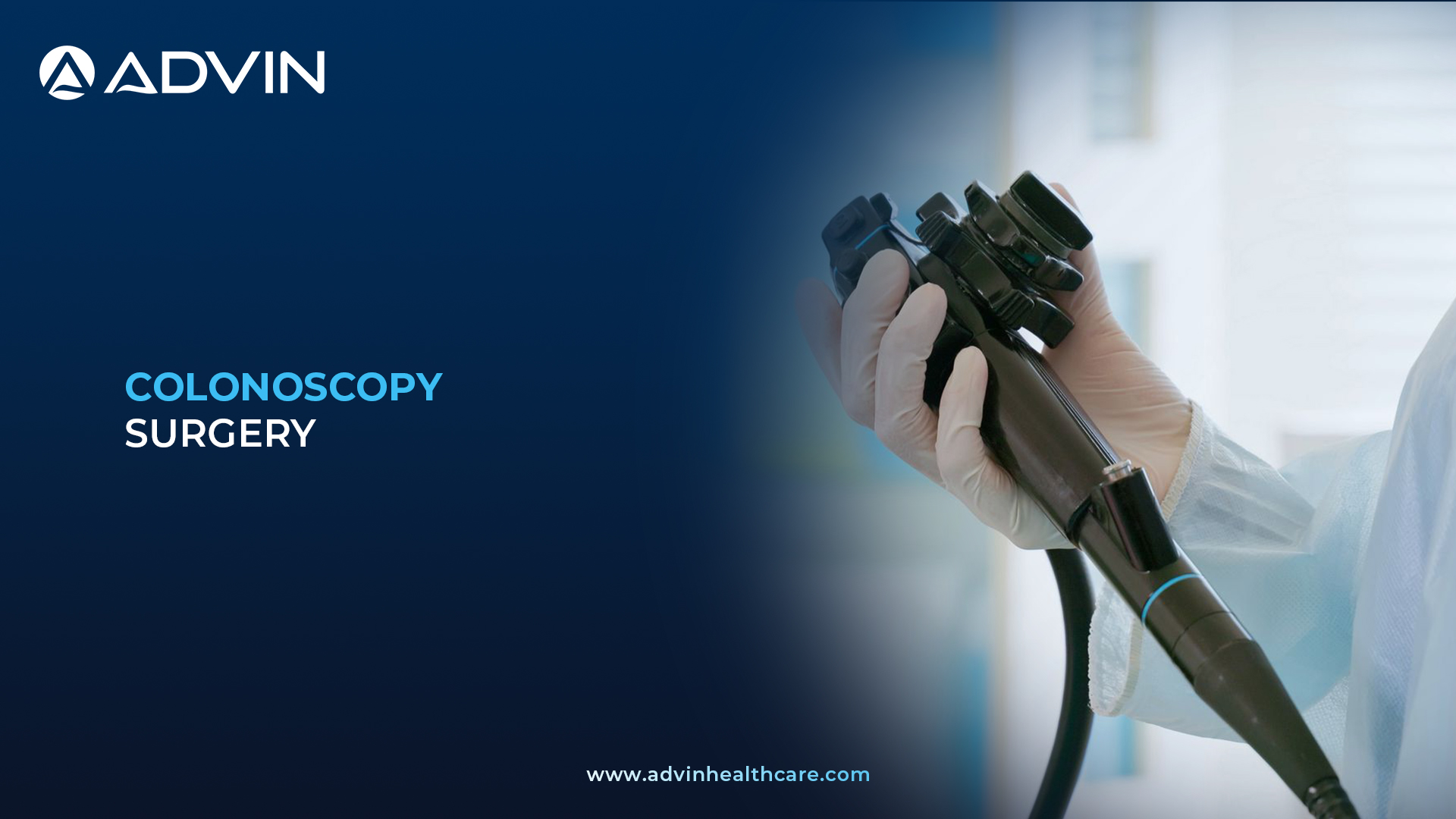
Colonoscopy is a diagnostic procedure that allows doctors to view the inside of the colon using a thin, flexible tube called a colonoscope. It helps detect changes or abnormalities like polyps, ulcers, or cancer. This test is commonly done to investigate symptoms such as abdominal pain, bleeding, or irregular bowel movements.
Colonoscopy Through the Years
Colonoscopy was developed in the 1960s when advances in fiberoptic technology allowed visualization of the colon’s full length. Initially, rigid sigmoidoscopes were used, but they had limited reach and visibility. Over the years, the tools became more flexible and high-definition, improving both diagnosis and comfort. Today, colonoscopy is a standard screening tool for colorectal cancer across the world.
How the Procedure Works: Inside the Colonoscopy Room
During a colonoscopy, the patient lies on their side, usually under mild sedation. A lubricated colonoscope is gently inserted through the rectum and advanced through the colon. The scope has a tiny camera that transmits real-time images to a monitor for the physician to examine. Air or carbon dioxide is pumped in to expand the colon and improve visibility. If abnormal tissue or polyps are found, tools inserted through the scope can be used to remove them or take samples. This procedure not only helps with diagnosis but can also prevent future problems by removing precancerous growths.
Products Related to Colonoscopy
- Colonoscope
- Biopsy Forceps
- Polypectomy Snare
- CO2 Insufflator
- Endoscopic Injection Needle
- Electrosurgical Generator
- Endoscopy LED Light Source
- Suction Irrigation System
- Colonoscope Video Processor
- Endoscope cleaning brush
Top Countries by Colonoscopy Volume
- United States
- Japan
- Germany
- South Korea
- Canada
Why Colonoscopy is Important ?
- Detects early signs of colorectal cancer and saves lives
- Allows direct removal of polyps before they become cancerous
- Identifies sources of gastrointestinal bleeding with precision
- Enables biopsies without the need for surgery
- Improves diagnosis of conditions like Crohn’s disease and ulcerative colitis
Advin Health Care is a leading manufacturer of Colonoscopy-related medical devices and instruments, offering a full range of endoscopy solutions trusted by professionals worldwide.

Angioplasty (PCI) - Minimally Invasive Solution to Heart Artery Blockages
Angioplasty (Percutaneous Coronary Intervention – PCI) Introduction
Angioplasty, also called Percutaneous Coronary Intervention (PCI), is a procedure to open clogged heart arteries. It uses a small balloon to widen the artery and improve blood flow. This surgery is commonly done to treat coronary artery disease.
Restoring Blood Flow with PCI
During PCI, a thin, flexible tube called a catheter is inserted through a blood vessel in the groin or wrist. A tiny balloon at the tip of the catheter is carefully guided to the blocked area of the heart artery. The balloon is then inflated to press the plaque against the artery wall and open up the vessel. In most cases, a small metal mesh tube called a stent is placed in the artery to keep it open. Special tools like fluoroscopy imaging and contrast dye are used to precisely locate the blockage. This surgery helps restore proper blood circulation to the heart muscle.
Why it’s done?
- To treat narrowing or blockages in the coronary arteries caused by atherosclerosis.
- To relieve symptoms of coronary artery disease, such as chest pain (angina) and shortness of breath.
- To minimize heart muscle damage during or after a heart attack.
- To improve blood flow in patients who cannot undergo open-heart surgery.
- To prevent future cardiac events in high-risk individuals.
Products Related to Angioplasty (PCI)
- Coronary Balloon Catheter
- Drug-Eluting Stent (DES)
- Angiographic Catheter
- Guide Wire
- Introducer Sheath
- Inflation Device
- Y Connector Kit
- Contrast Media Injector
- Vascular Closure Device
- Bare Metal Stent (BMS
Top 5 Countries of Angioplasty (PCI)
- United States
- India
- Germany
- China
- Japan
Angioplasty (PCI) Benefits
- Reduces the risk of heart attack in patients with coronary artery disease.
- Provides faster recovery and shorter hospital stay compared to open-heart surgery.
- Improves quality of life by relieving chest pain and other symptoms.
- Increases exercise capacity and physical endurance.
- Enhances blood flow to the heart, improving overall heart function.
Advin Health Care is a leading manufacturer of Angioplasty (PCI) related products, offering reliable and innovative solutions for cardiac interventions.
Fascial Dilator Set - Essential Tool for Safe Percutaneous Tract Formation
Introduction to Fascial Dilator Set: Stepwise Dilation for Safe Percutaneous Access
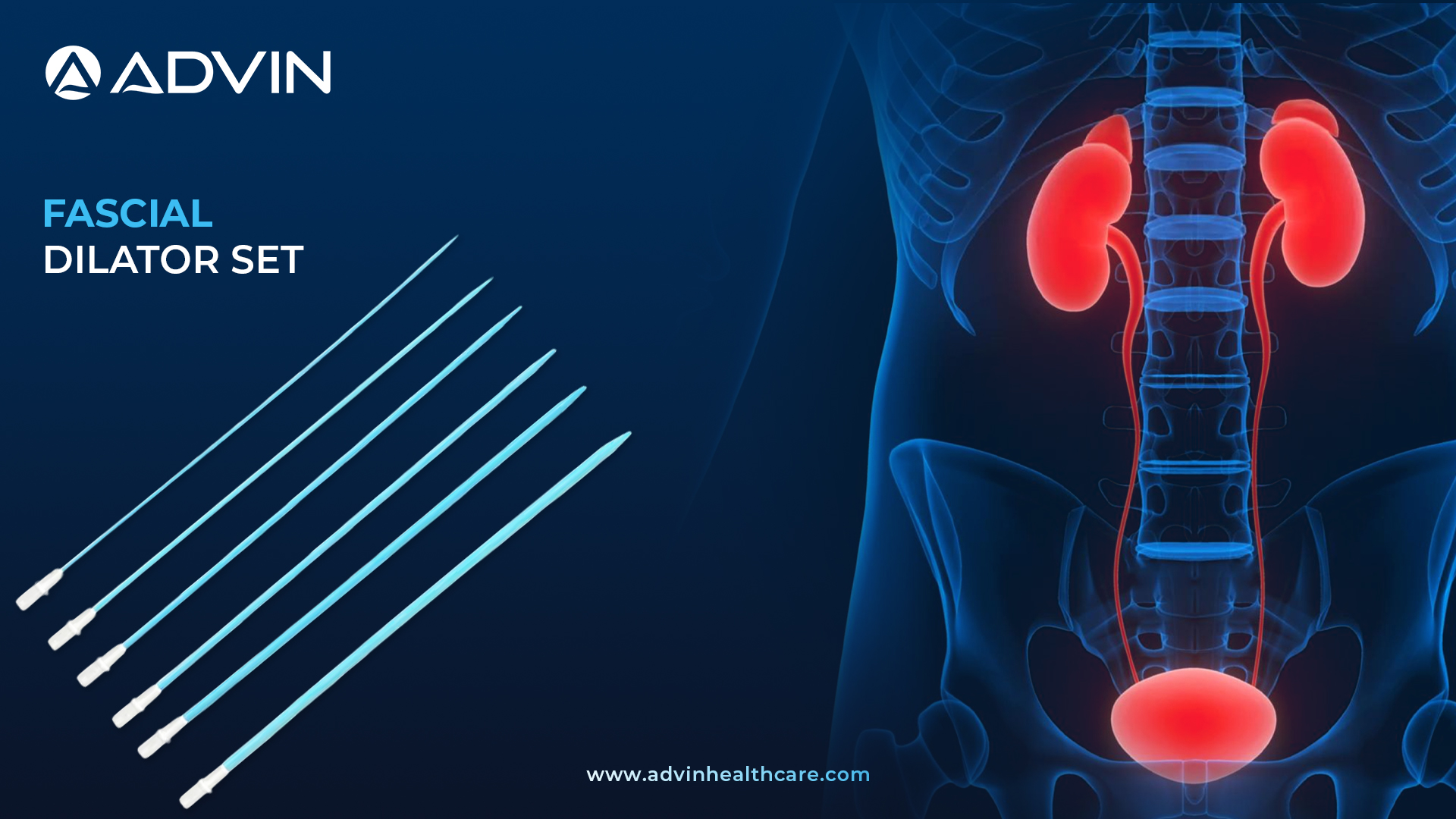
A Fascial Dilator Set is used to gradually enlarge the tract for percutaneous access in urological procedures. It helps in creating a smooth path for instruments like nephroscopes and catheters. The dilators are inserted sequentially over a guidewire to reduce trauma during access.
Evolution of the Fascial Dilator Set – From Basic Tools to Precision-Controlled Instruments
Fascial dilators have been part of percutaneous surgery since the early development of PCNL techniques. Initially, rigid metallic dilators were common, but newer materials and ergonomic designs have improved patient safety and ease of use. Their popularity grew with the advancement of minimally invasive surgeries. Today, fascial dilators are an essential component in access kits used globally.
What is a Fascial Dilator Set? A Comprehensive Overview of Tract Dilation in Urology
Advin Health Care offers a precision-engineered Fascial Dilator Set for safe and controlled tract dilation in urological procedures. These dilators are available in various sizes to match different sheath and catheter requirements. Advin Health Care ensures high-grade medical polymers with smooth surface finishes to minimize tissue trauma. The set is compatible with standard guidewires and sheaths used in PCNL and nephrostomy access. Its tapered tip allows easy insertion and gradual tract expansion with minimal resistance.
Clinical Applications – Used in PCNL, Nephrostomy, and Interventional Radiology Procedures
- Percutaneous Nephrolithotomy (PCNL)
- Nephrostomy Tube Placement
- Percutaneous Renal Access
- Ureteral Stent Placement
- Drainage Catheter Insertion
How to Use a Fascial Dilator Set – Sequential Technique for Minimally Invasive Access
- Insert a guidewire into the target site (renal pelvis or bladder)
- Select the smallest dilator and pass it over the guidewire
- Sequentially introduce larger dilators over the wire
- Monitor dilation under fluoroscopic guidance
- Remove the dilators and insert the access sheath or instrument
Clinical Benefits – Minimizes Trauma, Ensures Accurate Tract Formation, and Supports Guidewire-Based Access
- Gradual dilation minimizes risk of bleeding
- Supports safe placement of access sheaths
- Reduces trauma to surrounding tissues
- Allows controlled and reproducible access
- Enhances efficiency in percutaneous procedures
Also Known As – Sequential Dilator Set, Percutaneous Tract Dilators
Percutaneous Dilator Set, PCNL Fascial Dilators, Urology Tract Dilator Set, Sequential Renal Dilators, Surgical Access Dilator Set, Guidewire-Assisted Dilators, Tract Expansion Kit, Kidney Access Dilators, Fascial Tract Dilators, Nephrostomy Dilator Set
Advin Fascial Dilator Set – Available Sizes, Tapered Design, Sterile Packaging & Material Specifications
- Precision Dilation for Safe and Controlled Access
- Advin Health Care is a leading manufacturer of Fascial Dilator Set, delivering safe, reliable, and high-quality solutions for renal and urological tract access in minimally invasive procedures.
- The Fascial Dilator Set is designed for the gradual and controlled dilation of fascial tissues. It is used to enlarge the fascia surrounding a cavity, tract, or opening in preparation for diagnostic or interventional procedures such as percutaneous nephrostomy or endourological access.
Advanced Features
- Tapered End – Facilitates smooth and controlled insertion
- Smooth Surface – Ensures ease of introduction with minimal tissue trauma
- Radiopaque (With/Without Hydrophilic Coating) – Enhances visibility under fluoroscopy
- Sterile & Single Use – Designed to meet high medical hygiene and safety standards
The Fascial Dilator Set is a reliable tool for urologists and interventional radiologists, ensuring safe tract access and minimized procedural risk.
Disposable Gown
Disposable Gown
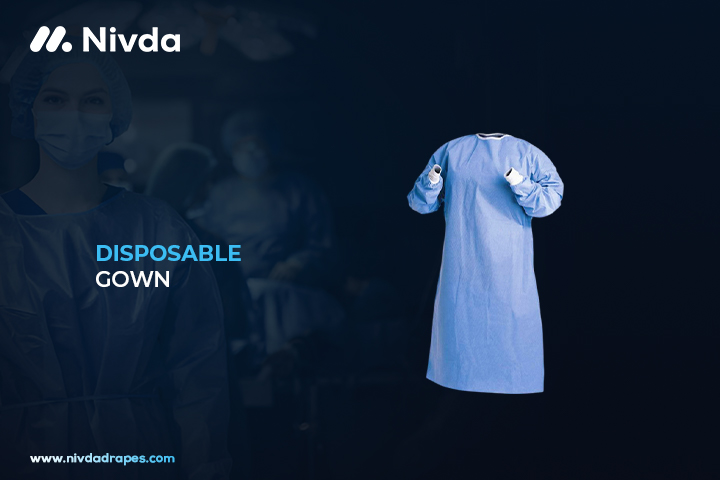
A Disposable Gown is a single-use protective garment worn by healthcare workers during medical procedures. It acts as a barrier against fluids, microorganisms, and contaminants. These gowns help maintain a sterile environment in hospitals and clinics.
Product History
Disposable gowns became widely used in the mid-20th century as infection control practices improved. Initially, reusable cotton gowns were standard, but concerns over cross-contamination led to single-use designs. Nivda Drapes and other manufacturers enhanced fabric quality, comfort, and protective capabilities. Today, they are an essential hospital disposable worldwide.
Disposable Gown – Fluid-Resistant Coverage for Patient and Staff Safety
Disposable Gowns from Nivda Drapes are designed to provide maximum protection during surgeries and clinical work. Nivda Drapes ensures these gowns meet global safety standards, offering excellent fluid resistance and breathability. They are lightweight yet durable, reducing fatigue during long procedures. The gowns are available in different sizes and styles to suit varied medical needs. Their use reduces the risk of infection and improves overall hygiene in healthcare facilities.
Surgical Uses of Disposable Gowns
- General Surgery
- Orthopedic Surgery
- Cardiac Surgery
- Gynecological Surgery
- Neurosurgery
- Urological Surgery
- ENT Procedures
- Plastic Surgery
How to Wear a Disposable Gown
- Open the sterile pack in a clean environment
- Hold the gown from the inside and slide arms through the sleeves
- Secure the gown at the back using the provided ties or Velcro
- Dispose of after single use in a medical waste bin
Benefits of Disposable Gowns
- Prevents cross-contamination between patient and medical staff
- Offers strong fluid and pathogen resistance
- Improves hygiene in surgical and clinical environments
- Lightweight design for user comfort
- Reduces laundry and sterilization costs compared to reusable gowns
Other Terms for Medical Gowns
Surgical Gown Disposable, Single-Use Surgical Gown, Non-Woven Surgical Gown, Disposable Medical Gown, Sterile Disposable Gown, Protective Disposable Gown, Hospital Disposable Gown
Market Demand and Global Trends
The demand for disposable gowns has risen significantly due to stricter infection control measures in healthcare. Increased surgical procedures and heightened awareness during pandemics have boosted their global usage. Nivda Drapes meets these needs with gowns that balance protection, comfort, and cost-effectiveness. Many hospitals are shifting from reusable to disposable options to comply with updated hygiene regulations.
Nivda Disposable Gown Description
Nivda Drapes is a leading manufacturer of Disposable Gowns, providing high-quality protective garments that ensure safety, comfort, and hygiene in healthcare environments.