


Understanding Esophagectomy - Procedure, Purpose & Progress
Understanding Esophagectomy
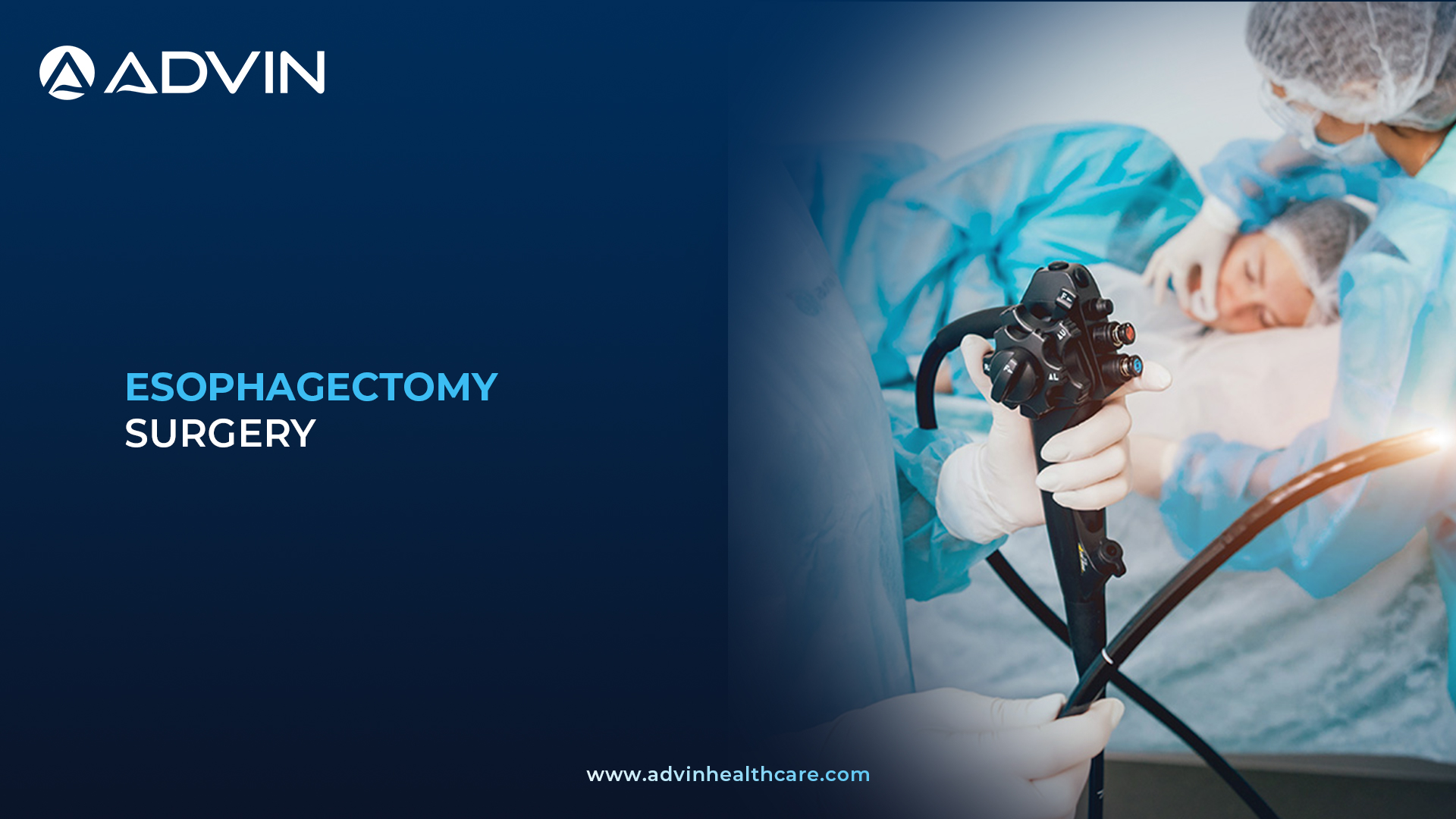
Esophagectomy is a surgical procedure to remove part or all of the esophagus. It is mostly performed to treat esophageal cancer or severe damage from other diseases. The remaining part of the digestive tract is reconnected to allow food to pass from the throat to the stomach or intestine.
Inside the Operation – How Esophagectomy Is Performed
Esophagectomy is usually done under general anesthesia, using either an open or minimally invasive approach. The surgeon accesses the esophagus through incisions in the neck, chest, or abdomen, depending on the disease location. A portion or the entire esophagus is removed along with surrounding lymph nodes. The stomach or a section of the intestine is then pulled up and connected to the remaining esophagus or throat to restore the digestive pathway. Tools like thoracoscopes, surgical staplers, and energy devices are commonly used. The surgery improves outcomes in patients with cancer, severe strictures, or non-functioning esophageal segments.
Why It’s Done?
- To treat esophageal cancer that has not spread extensively
- To manage Barrett’s esophagus with high-grade dysplasia
- For severe trauma or strictures unresponsive to endoscopic treatment
- In cases of advanced achalasia or end-stage motility disorders
Key Surgical Instruments for Esophagectomy
- Esophageal Stent
- Endoscopic Ultrasound (EUS) Scope
- Endoscopic Clipping Device
- Endoscopic Injection Needle
- Sclerotherapy Needle
- Hemoclip Applicator
- Endoscopic Electrosurgical Generator
- Nasojejunal Feeding Tube
- Balloon Dilator for Esophageal Stricture
- Mouth Guard for Endoscopy
Countries Where Esophagectomy Is Most Common
- United States
- China
- Japan
- Germany
- United Kingdom
Advantages of Esophagectomy Surgery
- Provides curative treatment for early-stage esophageal cancer
- Helps relieve severe swallowing difficulties
- Improves survival in selected patients with advanced disease
- Enables removal of diseased tissues and lymph nodes
- Allows restoration of digestive continuity using stomach or intestine
Recent Advances in Esophagectomy
Modern esophagectomy techniques have significantly improved patient outcomes. Minimally Invasive Esophagectomy (MIE) uses small incisions and endoscopic tools, reducing recovery time and complications. Robotic-assisted surgery offers greater precision and control for complex cases. Enhanced imaging, such as intraoperative fluorescence, helps ensure clear tumor margins. Newer anastomosis techniques lower the risk of leakage at the surgical join. These advances make the procedure safer, more effective, and more widely accessible.
Advin Health Care is a trusted manufacturer of Esophagectomy-related surgical instruments, offering a wide range of precision tools used in minimally invasive and open thoracoabdominal surgeries.

A Complete Guide to Coronary Artery Bypass Grafting (CABG) Surgery
Coronary Artery Bypass Grafting (CABG) Introduction
Coronary Artery Bypass Grafting (CABG) is a type of heart surgery used to improve blood flow to the heart. It is done when the arteries that supply blood to the heart muscle become blocked or narrowed. In this procedure, a healthy blood vessel is taken from another part of the body and used to bypass the blocked artery.
Restoring Heart Blood Flow Through Bypass Grafting
During CABG, the surgeon creates a new path for blood to reach the heart muscle by grafting a healthy artery or vein. The most common vessels used for grafting are the internal mammary artery and the saphenous vein from the leg. The surgery is usually performed through a chest incision while the patient is under general anesthesia. In most cases, a heart-lung machine is used to take over the function of the heart and lungs during the procedure. Some newer techniques allow the surgery to be done on a beating heart without the machine. CABG significantly improves blood circulation, reduces chest pain, and lowers the risk of heart attacks.
Why it’s done?
- Severe narrowing or blockage in the coronary arteries (due to coronary artery disease)
- Persistent angina (chest pain) that doesn’t improve with medication or lifestyle changes
- Left main coronary artery disease, which can be life-threatening if untreated
- Multiple blocked arteries causing reduced heart function or heart failure
- Emergency treatment during or after a heart attack when other options fail
Essential Surgical Tools & Devices for CABG
- Heart-lung machine (Cardiopulmonary bypass machine)
- Arterial cannula
- Venous cannula
- Saphenous vein harvesting set
- Chest retractor (Sternal retractor)
- Cardioplegia delivery system
- Internal mammary artery retractor
- Surgical sutures (vascular graft sutures)
- Coronary artery bypass grafts (vascular grafts)
- Electro cautery device
Top 5 Countries of Coronary Artery Bypass Grafting (CABG)
- United States
- India
- Germany
- United Kingdom
- Canada
Coronary Artery Bypass Grafting (CABG) Benefits
- Improves blood flow to the heart muscle and restores normal oxygen supply
- Reduces the risk of heart attacks in patients with severe artery blockage
- Increases life expectancy in patients with critical coronary artery disease
- Improves overall quality of life and exercise capacity
- Reduces the need for long-term medication or repeated angioplasty
- Offers long-term relief from symptoms like chest pain and shortness of breath
Advin Health Care is a leading manufacturer of Coronary Artery Bypass Grafting (CABG) related products, supporting cardiac surgeons with high-quality surgical tools and devices.
Filiform Urethral Dilator - A Key Tool for Managing Urethral Strictures
Introduction to Filiform Urethral Dilator: A Specialized Tool for Complex Urethral Stricture Management
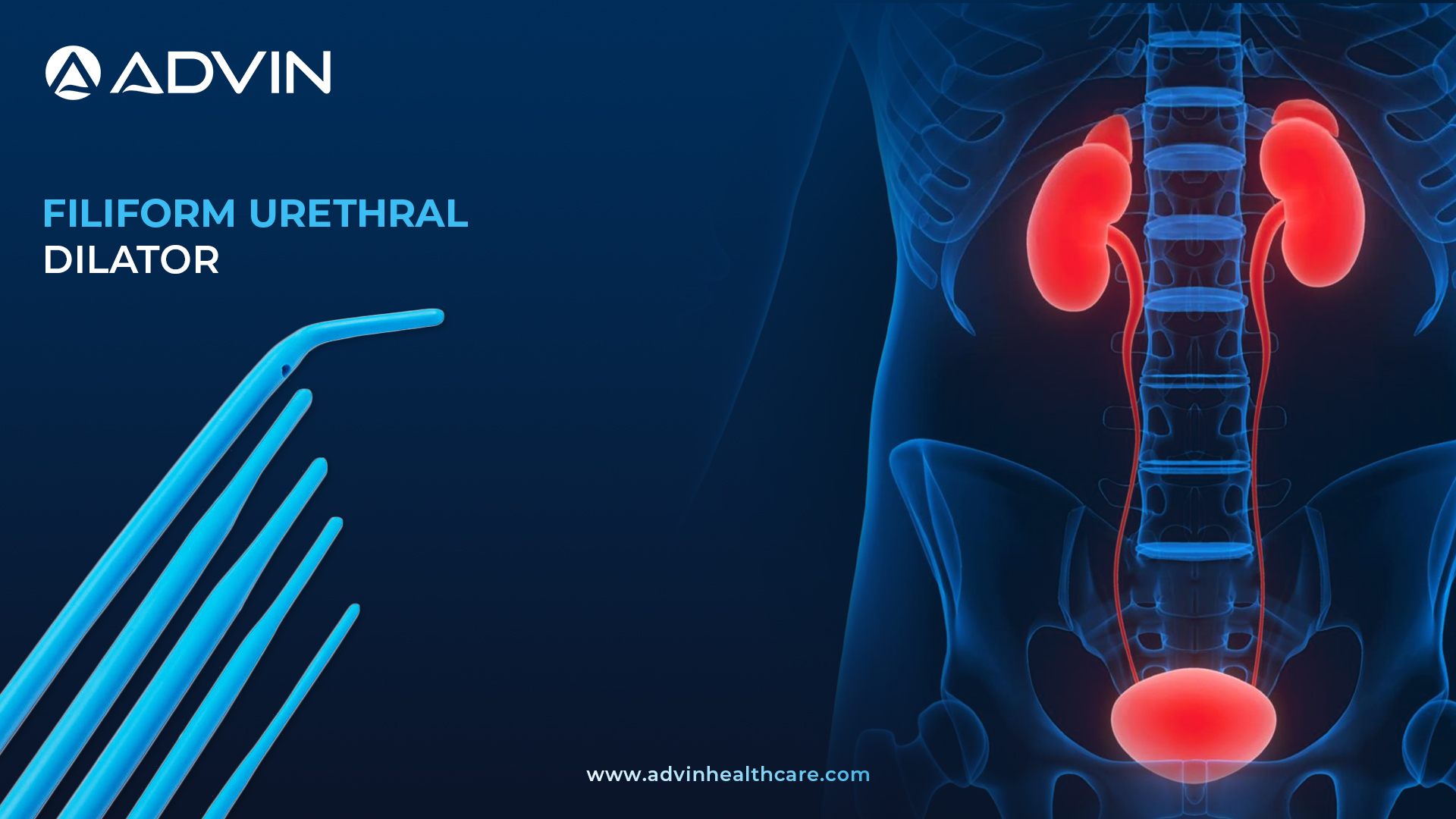
The Filiform Urethral Dilator is a slender, flexible instrument used to gradually open narrow or strictured sections of the urethra. It is inserted into the urethra to restore urine flow in patients with urethral strictures. This device is commonly used as a first step in a series of dilations.
Evolution of Filiform Dilators: Advancing Precision in Urethral Dilation Techniques
Filiform dilators have been used in urology for decades to manage urethral stricture disease. They evolved from basic bougie designs to more specialized flexible forms for smoother insertion. Over time, these dilators have been paired with followers or other dilator types for complete tract management. Their use remains fundamental in both emergency and routine urethral stricture care worldwide.
What is a Filiform Urethral Dilator? A Brief Overview of Its Role in Urethral Interventions
Advin Health Care offers Filiform Urethral Dilators designed for precise and gentle dilation of urethral strictures. These dilators are made from medical-grade materials that ensure flexibility and patient comfort during use. Advin Health Care provides options in multiple sizes to accommodate varying degrees of urethral narrowing. Their smooth surface allows for easy navigation through tight strictures. The product is ideal for initial negotiation of complex or tortuous urethral paths.
Surgical Applications: Designed for Use in Sequential Urethral Stricture Dilatation Procedures
- Urethral Stricture Dilation
- Urethroplasty (Pre-Dilation)
- Catheterization in Difficult Urethral Passages
- Urethral Realignment Procedures
How to Use a Filiform Urethral Dilator: Step-by-Step Technique with Safety and Accuracy
- Lubricate the dilator well before use
- Gently insert the filiform dilator into the urethral opening
- Advance slowly until resistance is felt or stricture is passed
- Leave in place or attach a follower dilator if needed
- Monitor patient comfort and urine flow
Global Demand and Trends: Preferred in Chronic Stricture Cases and Reconstructive Urology
Filiform Urethral Dilators remain widely used in both developing and developed healthcare systems, especially in managing urethral stricture disease. Their demand is consistent due to rising cases of post-infectious and post-catheterization strictures. Hospitals prefer reusable and sterilizable sets, though single-use variants are gaining ground for infection control. In urology clinics, these dilators are standard tools for outpatient and minor surgical interventions.
Also Known As: Urethral Filiform Guide, Filiform and Follower Set
Filiform Dilator, Urethral Filiform, Urethral Negotiator, Flexible Urethral Dilator, Stricture Dilation Filiform, Urethral Stricture Filiform, Urology Filiform Rod, Filiform Urethral Rod, Male Urethral Filiform, Urethral Guide Filiform
Advin Filiform Urethral Dilator: Sizes, Flexibility, Tip Design, and Sterile Configuration
- Effective Solution for Gentle Urethral Dilation
- Advin Health Care is a leading manufacturer of Filiform Urethral Dilator, offering high-precision instruments designed for safe, smooth, and controlled urethral dilation in stricture management.
- The Filiform Urethral Dilator is specifically designed for self or clinical urethral dilation procedures. Its uniform taper and smooth surface allow for easy insertion while minimizing patient discomfort and trauma. Ideal for managing urethral strictures or post-operative care.
Advanced Features
- Sterile & Single Use – Ensures hygiene and eliminates cross-contamination risk
- Smooth Surface – Facilitates effortless navigation through the urethra
- Uniform Taper – Reduces trauma and enhances patient comfort during dilation
Available Types
• With Hole / Without Hole
• Straight / Curved
This dilator is a valuable tool for urologists and patients needing regular urethral maintenance or post-stricture management.
Non Woven Shoe Cover
Non Woven Shoe Covers
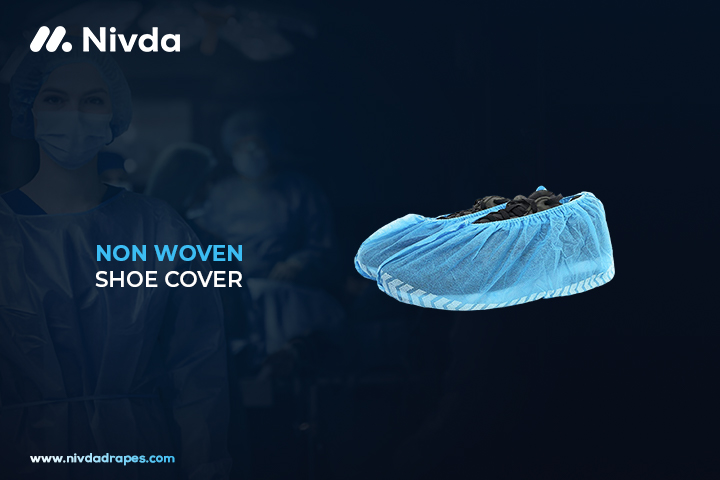
Non Woven Shoe Covers are disposable protective covers worn over footwear in hospitals and clean environments. They help maintain hygiene by preventing dust, dirt, and germs from entering sterile areas. These covers are lightweight, comfortable, and designed for single use.
Product History
Shoe covers were first introduced to hospitals and laboratories to control contamination. Initially, they were made from reusable fabric but proved less effective. With the development of non-woven materials, disposable shoe covers became more popular for their hygiene and convenience. Today, they are standard in hospitals, labs, and cleanroom industries worldwide.
Non Woven Shoe Cover – Trusted Disposable Shoe Cover for Medical Use
Non Woven Shoe Covers by Nivda Drapes are made from durable, fluid-resistant, and breathable non-woven fabric. Nivda Drapes ensures these covers provide strong grip with anti-skid properties to prevent slipping in hospital settings. They are lightweight yet sturdy, making them suitable for long hours of wear. These covers act as an effective barrier against contaminants from footwear. Hospitals prefer them for their reliability, safety, and cost-effectiveness.
Surgical Uses of Shoe Covers
- General Surgery
- Cardiac Surgery
- Orthopedic Procedures
- Gynecological Surgeries
- ENT Surgeries
- Neurosurgery
- Ophthalmic Surgeries
- Urology Surgeries
Step-by-Step Guide for Applying Shoe Covers
- Open the sterile pack in a clean environment
- Place shoe inside the cover carefully
- Pull the elastic edge over the shoe for a snug fit
- Ensure the cover is secure and fully covers the footwear
- Dispose of after single use in medical waste bin
Countries with Highest Use of Shoe Covers
- India
- United States
- China
- Brazil
- Russia
- Japan
- Germany
- United Kingdom
- Turkey
- Indonesia
Product Also Known As
Disposable Shoe Cover, Hospital Shoe Cover, Surgical Shoe Cover, Medical Footwear Cover, Non Woven Foot Cover, Operation Theatre Shoe Cover, Cleanroom Shoe Cover
Related Protective Equipment
- Disposable Bouffant Cap
- Face Mask
- Isolation Gown
- Latex/Nitrile Examination Gloves
- Non Woven Trolley Sheet
- Surgical Drapes
Global Demand for Shoe Covers
The demand for Non Woven Shoe Covers is increasing due to strict infection control policies in hospitals and cleanrooms. Their use has expanded beyond healthcare to pharmaceutical, electronics, and food industries. Global trends show a preference for eco-friendly and cost-effective disposable covers. Nivda Drapes continues to provide high-quality, reliable solutions to meet this growing demand.
Nivda Non Woven Shoe Cover Description
Nivda Drapes is a trusted manufacturer of Non Woven Shoe Covers, offering durable, hygienic, and cost-effective footwear protection for hospitals and sterile environments.