


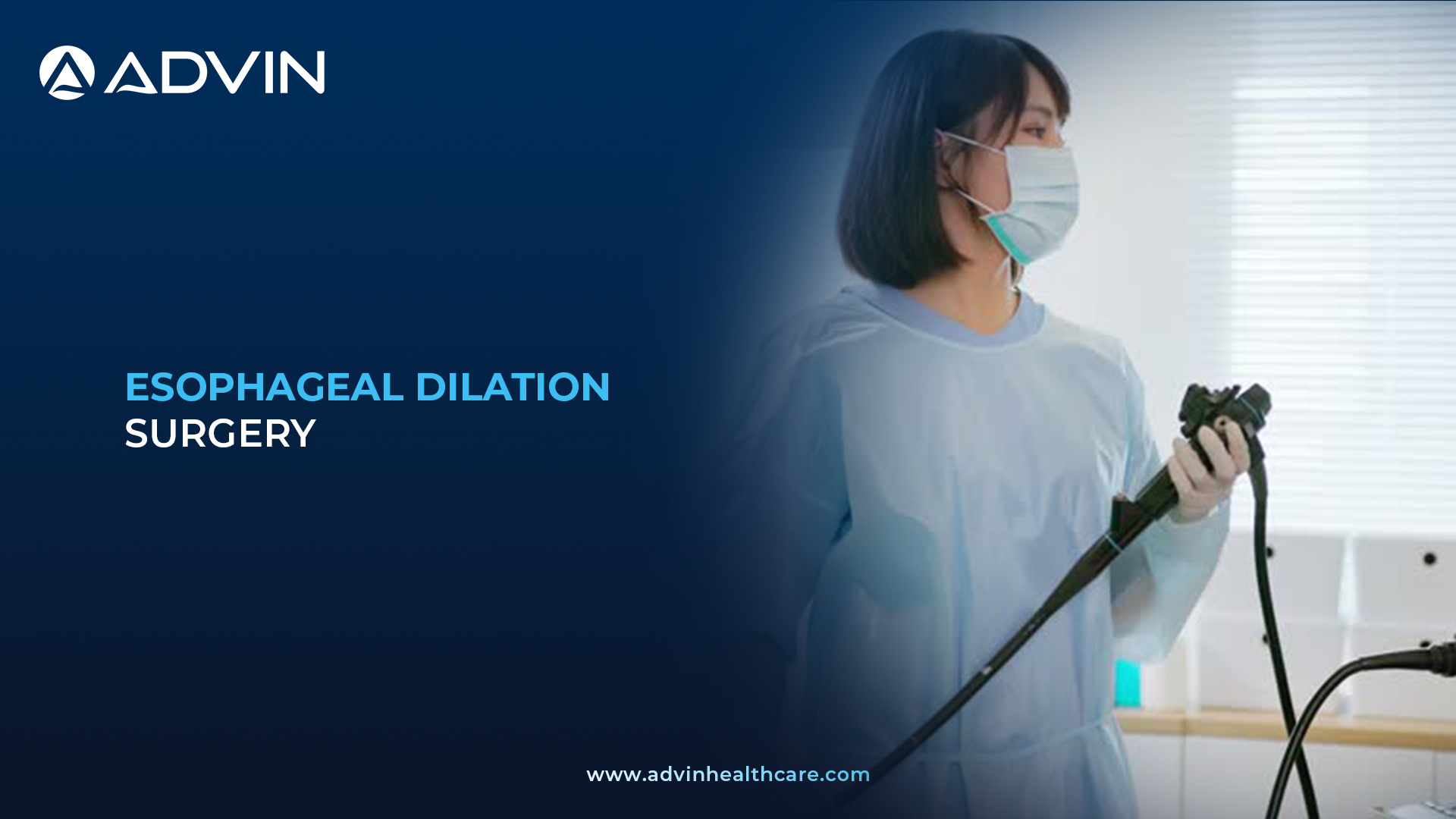
Esophageal Dilation Surgery - A Relief for Swallowing Disorders
Understanding Esophageal Dilation
Esophageal Dilation is a procedure used to widen a narrowed section of the esophagus. This narrowing, also called a stricture, can make swallowing difficult or painful. The surgery is commonly done using endoscopy with special tools to gently stretch the narrowed area.
Gentle Expansion for Easier Swallowing
Esophageal Dilation is usually performed using a flexible endoscope passed through the mouth to visualize the esophagus. Once the narrowed area is identified, either a balloon dilator or a bougie dilator is inserted. The balloon is inflated or the bougie is advanced to gradually stretch the narrowed segment. Local anesthesia and light sedation are commonly used to make the procedure comfortable. Fluoroscopy may be used for real-time imaging during the dilation. This procedure allows food and liquid to pass more easily through the esophagus, greatly improving swallowing function.
When is Esophageal Dilation Needed?
- To treat esophageal strictures caused by chronic acid reflux or GERD.
- To manage narrowing from radiation therapy, surgery, or cancer treatment.
- To relieve difficulty swallowing (dysphagia) in conditions like achalasia or eosinophilic esophagitis.
- To improve quality of life in patients with benign or malignant esophageal narrowing.
Endoscopic Tools Used in Esophageal Dilation
- Esophageal Balloon Dilator
- TTS (Through-The-Scope) Balloon Dilator
- Wire-Guided Bougie Dilator
- Esophageal Stent
- Endoscopic Guide wire
- Endoscope with Channel
- Fluoroscopy Equipment (for guided dilation)
- Lubricant Gel for Endoscopy
- Mouth Guard for Endoscopy
- Suction Irrigation Device
Types of Esophageal Dilation Techniques
There are three main types of esophageal dilation techniques: bougie dilation, balloon dilation, and guided wire dilation. Bougies are tapered tubes passed into the esophagus to stretch narrowed areas gradually. Balloon dilators, inserted endoscopically, are inflated at the stricture site for controlled expansion. Fluoroscopy or endoscopy is often used to guide these tools for safe placement. The selection depends on the cause, location, and complexity of the esophageal narrowing.
Clinical Advantages of the Procedure
- Restores normal swallowing function and reduces discomfort.
- Minimally invasive with fast recovery and minimal scarring.
- Can be repeated safely in cases of recurring strictures.
- Often performed as an outpatient procedure, reducing hospital stays.
- Improves nutrition intake and overall quality of life.
Advin Health Care is a leading manufacturer of Esophageal Dilation Surgery-related products, offering a complete range of dilation tools, endoscopic accessories, and stent systems for global markets.

Coronary Stenting - A Life-Saving Cardiology Procedure
Coronary Stenting Introduction
Coronary stenting is a procedure to open narrowed or blocked heart arteries. A small mesh tube called a stent is placed inside the artery to keep it open. This helps improve blood flow to the heart muscle and reduces chest pain.
How Coronary Stenting Works
During coronary stenting, a thin, flexible tube called a catheter is inserted through a blood vessel, usually in the groin or wrist, and guided to the blocked artery. A tiny balloon at the catheter’s tip is inflated to widen the artery, and the stent expands to hold the artery open. The stent stays in place permanently, supporting the artery walls. Specialized imaging tools like fluoroscopy help doctors see inside the arteries during the procedure. The stents are often coated with medicine to prevent artery narrowing again. This minimally invasive technique avoids the need for open-heart surgery and speeds recovery.
Why It’s Done?
- To treat coronary artery disease causing chest pain (angina).
- To restore blood flow after a heart attack.
- To prevent artery blockage from worsening.
- To improve heart function and reduce risk of heart failure.
Products Related to Coronary Stenting
- Balloon catheters
- Drug-eluting stents
- Bare-metal stents
- Guidewires
- Angioplasty balloons
- Stent delivery systems
- Contrast dye
- Imaging equipment (fluoroscopy machines)
- Hemostatic devices
- Anticoagulant medications
Top 5 Countries of Coronary Stenting
- United States
- Germany
- Japan
- South Korea
- Brazil
Coronary Stenting Benefits
- Reduces chest pain by improving blood flow.
- Lowers the chance of future heart attacks.
- Shortens hospital stay compared to surgery.
- Allows faster recovery and return to daily activities.
- Minimizes damage to the heart muscle during blockages.
Advin Health Care is a leading manufacturer of coronary stenting related products, ensuring high-quality tools for safe and effective procedures.
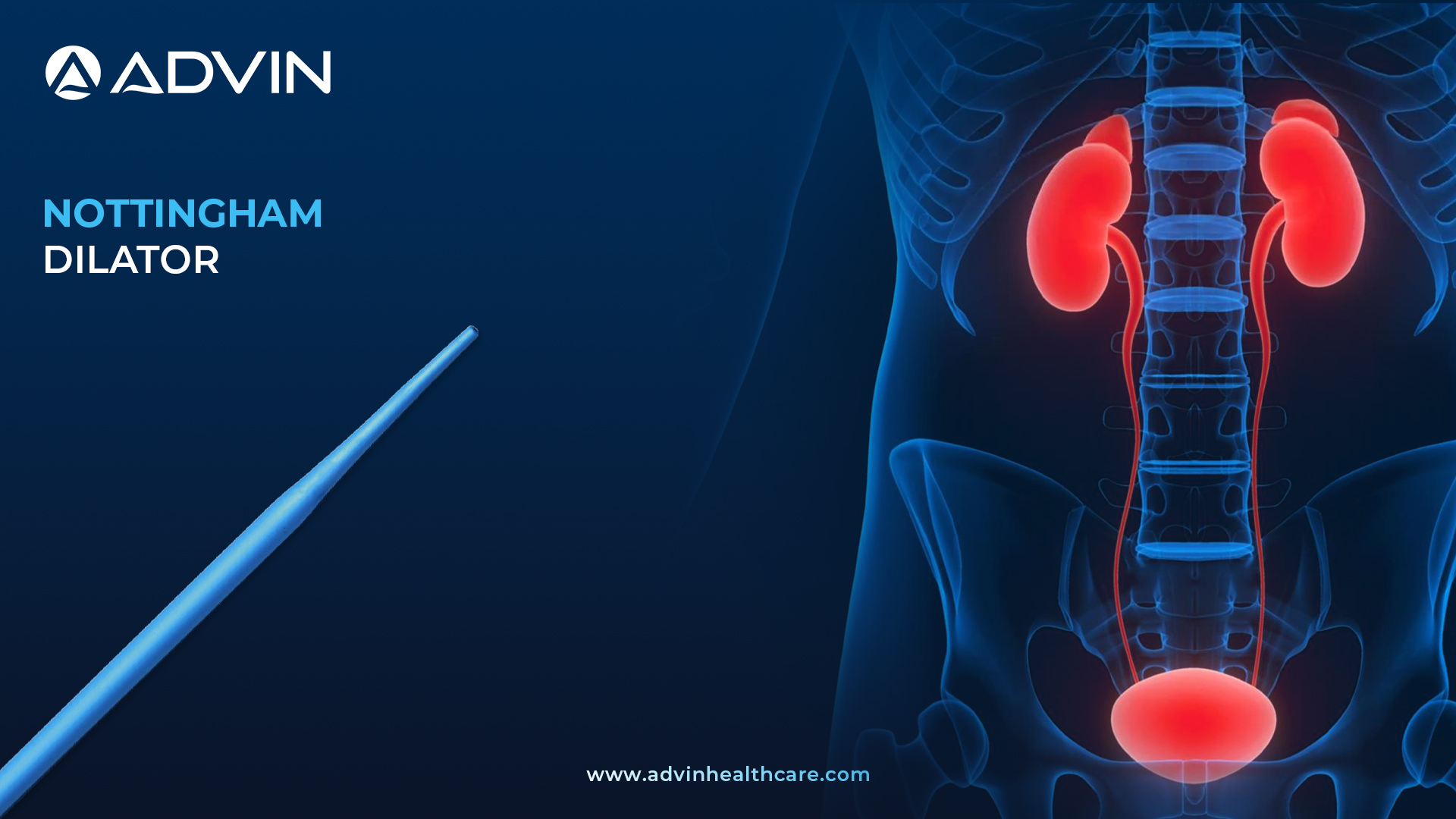
Nottingham Dilator - Specialized Tool for Progressive Urethral Dilation
Introduction to Nottingham Dilator: Specialized Tool for Urethral Stricture Management
The Nottingham Dilator is a specialized medical instrument used to gradually enlarge narrow areas of the urethra. It is commonly used in urological procedures to treat urethral strictures. Its smooth, tapered design allows safe and gentle dilation without causing trauma.
The Evolution of the Nottingham Dilator: A Trusted Instrument in Urethral Dilation Procedures
The Nottingham Dilator was developed as a more controlled and comfortable alternative to traditional metal sounds and dilators. It is widely used by urologists to treat urethral strictures non-surgically. Over time, its design has improved to include ergonomic grips and smoother finishes. The tool is now available in reusable and sterile disposable forms.
What is a Nottingham Dilator? Overview of Its Design, Use, and Clinical Relevance
Advin Health Care offers Nottingham Dilators that are precisely engineered for gentle and effective urethral dilation. These dilators are made from high-grade medical materials with a smooth, tapered body to minimize discomfort. Advin Health Care ensures a consistent design for safety and ease of use in both inpatient and outpatient settings. Nottingham Dilators are especially useful in treating male urethral strictures. They provide gradual and controlled expansion of the urethra to restore normal urine flow.
Surgical Applications: Effective in Progressive Urethral Dilatation and Stricture Treatment
- Urethral Stricture Dilation
- Cystoscopy Preparation
- Endoscopic Urological Procedures
- Urethral Calibration
How to Use a Nottingham Dilator: Stepwise Approach for Gentle and Controlled Dilation
- Sterilize the dilator before use
- Apply sterile lubricant on the dilator
- Gently insert the dilator into the urethra
- Leave in place for a few seconds
- Remove slowly and clean after the procedure
Clinical Benefits: Smooth Tapered Design, Reduced Patient Discomfort, Reliable Outcomes
- Provides non-surgical treatment for urethral strictures
- Reduces discomfort with smooth, tapered design
- Helps avoid more invasive surgical interventions
- Suitable for outpatient use under local supervision
- Minimizes urethral trauma during dilation
Also Known As: Urethral Sound Dilator, Progressive Urethral Dilator
Urethral Dilator, Nottingham Urethral Dilator, Urethral Stricture Dilator, Male Urethral Dilator, Tapered Dilator for Urethra, Nottingham Sound, Non-Surgical Stricture Dilator, Progressive Urethral Dilator, Smooth Urethral Dilator, Urology Nottingham Instrument
Advin Nottingham Dilator: Material, Size Range, Reusability, and Packaging Specifications
- One-Step Ureteral and Intramural Tunnel Dilation
- Advin Health Care is a leading manufacturer of Nottingham Dilator, providing high-quality instruments designed for safe, controlled urethral dilation in urological procedures.
- The Nottingham Dilator is a specialized urological instrument designed to dilate the intramural ureter and tunnel in a single step. It can also be used for contrast media injection to assess submucosal tunneling or for delivering anesthetic jelly to assist in the dislodgement of ureteral stones during endoscopic procedures.
Advanced Features
- Single-Use Device – Ensures sterility and reduces the risk of cross-contamination
- Smooth Surface Finish – Allows for easy insertion and minimizes trauma
- Compatible with 0.038″ Guide Wire – Ensures accurate placement and controlled dilation
The Nottingham Dilator streamlines procedural efficiency by combining dilation and injection capabilities into one versatile tool.
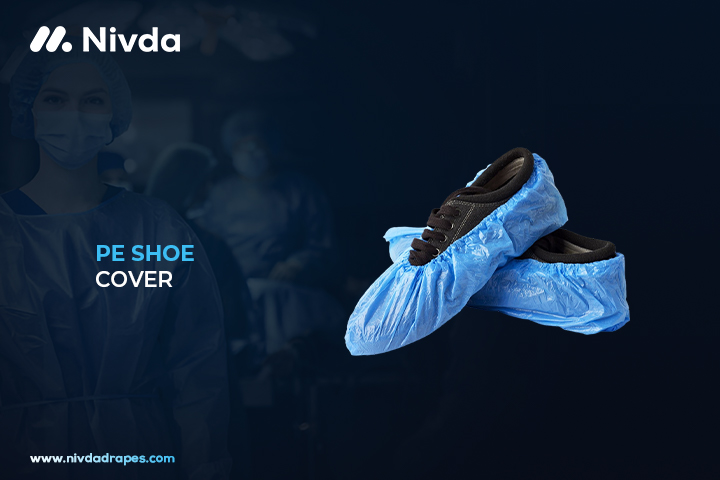
PE Shoe Covers
PE Shoe Covers
PE Shoe Covers are disposable footwear covers made from polyethylene material. They protect sterile environments by preventing dirt, fluids, and contaminants from shoes. These covers are waterproof, lightweight, and widely used in hospitals and cleanrooms.
Product History
Shoe covers have been used for decades to maintain sterile conditions in hospitals and laboratories. Earlier, fabric or non-woven covers were common, but they absorbed moisture and were less resistant to fluids. With advancements in polyethylene technology, PE Shoe Covers gained popularity due to their waterproof and cost-effective properties. Today, they are a global standard for protecting sensitive medical and industrial environments.
PE Shoe Covers – Easy-to-Wear Covers for Hospitals and Laboratories
PE Shoe Covers by Nivda Drapes are manufactured from high-quality polyethylene, ensuring excellent waterproof protection. Nivda Drapes designs these covers to resist fluids and maintain hygiene in operation theatres and labs. They are lightweight, durable, and easy to wear, making them ideal for high-traffic hospital areas. The anti-slip surface provides safe movement on wet or polished floors. These covers are widely preferred for their affordability and protective performance.
Surgical Uses of PE Shoe Covers
- General Surgery
- Cardiac Surgery
- Orthopedic Procedures
- Urology Surgeries
- Gynecology Surgeries
- Neurosurgery
- ENT Surgeries
- Minor Outpatient Procedures
How to Wear PE Shoe Covers
- Open the sterile pack in a clean area
- Place one foot inside the PE shoe cover
- Pull the elastic opening over the shoe for a secure fit
- Ensure complete coverage of footwear
- Discard after single use in a medical waste bin
Benefits of PE Shoe Covers
- Provides waterproof protection against spills and fluids
- Prevents contamination of sterile environments
- Lightweight and comfortable for extended wear
- Cost-effective solution for hospitals and labs
- Ensures safety with slip-resistant design
Frequently Used Product Combination
- Disposable Bouffant Cap
- Isolation Gown
- Face Mask
- Latex/Nitrile Examination Gloves
- Non Woven Trolley Sheet
- Surgical Drapes
- Plastic Apron
Market Demand and Global Trends
The global market for PE Shoe Covers is growing due to their waterproof protection and low cost compared to non-woven covers. Hospitals, laboratories, and cleanrooms prefer them for areas with higher fluid exposure. The trend shows rising adoption in pharmaceutical and food industries as well. Nivda Drapes continues to provide durable, high-quality PE Shoe Covers to meet the increasing global demand.
Nivda PE Shoe Cover Description
Nivda Drapes is a leading manufacturer of PE Shoe Covers, offering waterproof, durable, and affordable protection for hospitals, laboratories, and cleanroom environments.