


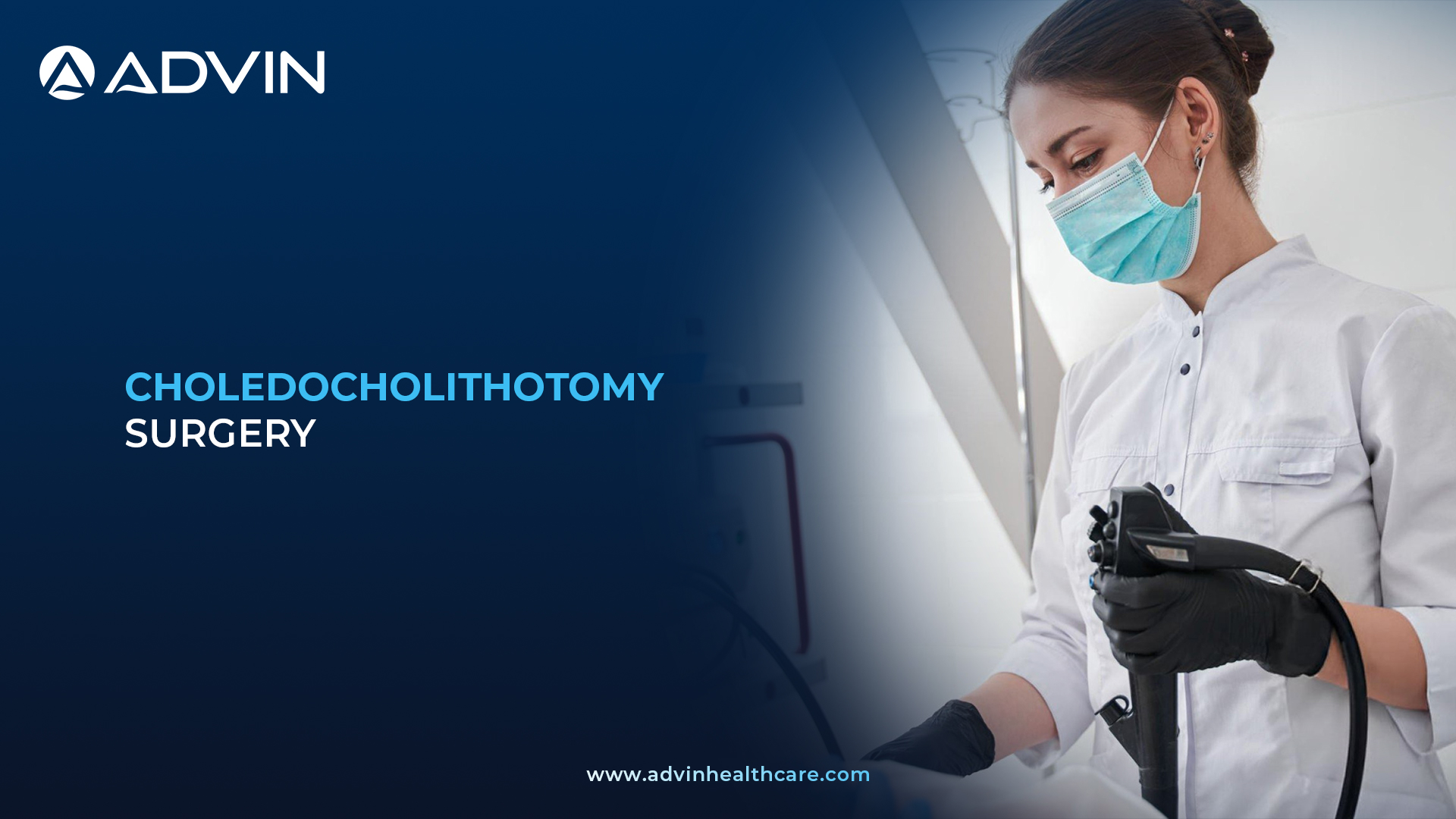
Choledocholithotomy - Minimally Invasive Solutions for Bile Duct Stones
Choledocholithotomy Surgery Introduction
Choledocholithotomy is a surgical procedure performed to remove stones from the common bile duct (CBD). It is usually done when non-surgical methods like ERCP fail or are not feasible. This surgery helps restore normal bile flow and prevents serious complications like cholangitis or pancreatitis.
Surgical Precision in Action – The Choledocholithotomy Procedure
Choledocholithotomy is typically performed through either an open or laparoscopic approach, depending on the patient’s condition and stone size. The surgeon makes an incision in the common bile duct and carefully extracts the stones using specialized instruments. A choledochoscope may be used to visualize and confirm complete stone removal. Once cleared, the duct may be closed directly or with a T-tube to allow bile drainage. This surgery is often supported by intraoperative cholangiography to ensure no residual stones remain. It is a vital procedure when other stone removal techniques are unsuccessful or contraindicated.
When Is Choledocholithotomy Required?
- Stones causing obstruction in the common bile duct
- Recurrent biliary colic or jaundice due to CBD stones
- Acute cholangitis unresponsive to endoscopic treatment
- CBD stones discovered during gallbladder surgery
- Failure or contraindications of endoscopic stone extraction
Instruments Supporting Biliary Surgery Success
- Choledochoscope
- Stone Retrieval Basket
- Biliary Dilator
- ERCP Catheter
- Biliary Balloon Dilator
- Bile Duct Forceps
- Surgical Scissors
- Laparoscopic Grasper
- Suction Irrigation Set
- T-Tube Drainage Set
Global Landscape of Common Bile Duct Surgeries
- China
- India
- United States
- Brazil
- Germany
Common Stone Composition in Bile Duct Cases
Bile duct stones are mainly classified into cholesterol stones and pigment stones. Cholesterol stones are more common in Western countries, while pigment stones are often seen in Asia due to infections or liver disorders. Identifying the stone type helps guide treatment decisions. Preoperative imaging and lab tests assist in determining composition and recurrence risk.
Choledocholithotomy Benefits
- Effective removal of large or impacted CBD stones
- Prevents recurrent infections like cholangitis
- Reduces risk of bile duct strictures or pancreatitis
- Offers a definitive solution when ERCP fails
- Allows intraoperative stone visualization and duct clearance
Advin Health Care is a trusted manufacturer and global supplier of Choledocholithotomy-related surgical and endoscopic instruments, offering precision-engineered tools for safe and successful outcomes.
Global Landscape of Common Bile Duct Surgeries
- China
- India
- United States
- Brazil
- Germany
Common Stone Composition in Bile Duct Cases
Bile duct stones are mainly classified into cholesterol stones and pigment stones. Cholesterol stones are more common in Western countries, while pigment stones are often seen in Asia due to infections or liver disorders. Identifying the stone type helps guide treatment decisions. Preoperative imaging and lab tests assist in determining composition and recurrence risk.
Choledocholithotomy Benefits
- Effective removal of large or impacted CBD stones
- Prevents recurrent infections like cholangitis
- Reduces risk of bile duct strictures or pancreatitis
- Offers a definitive solution when ERCP fails
- Allows intraoperative stone visualization and duct clearance
Advin Health Care is a trusted manufacturer and global supplier of Choledocholithotomy-related surgical and endoscopic instruments, offering precision-engineered tools for safe and successful outcomes.

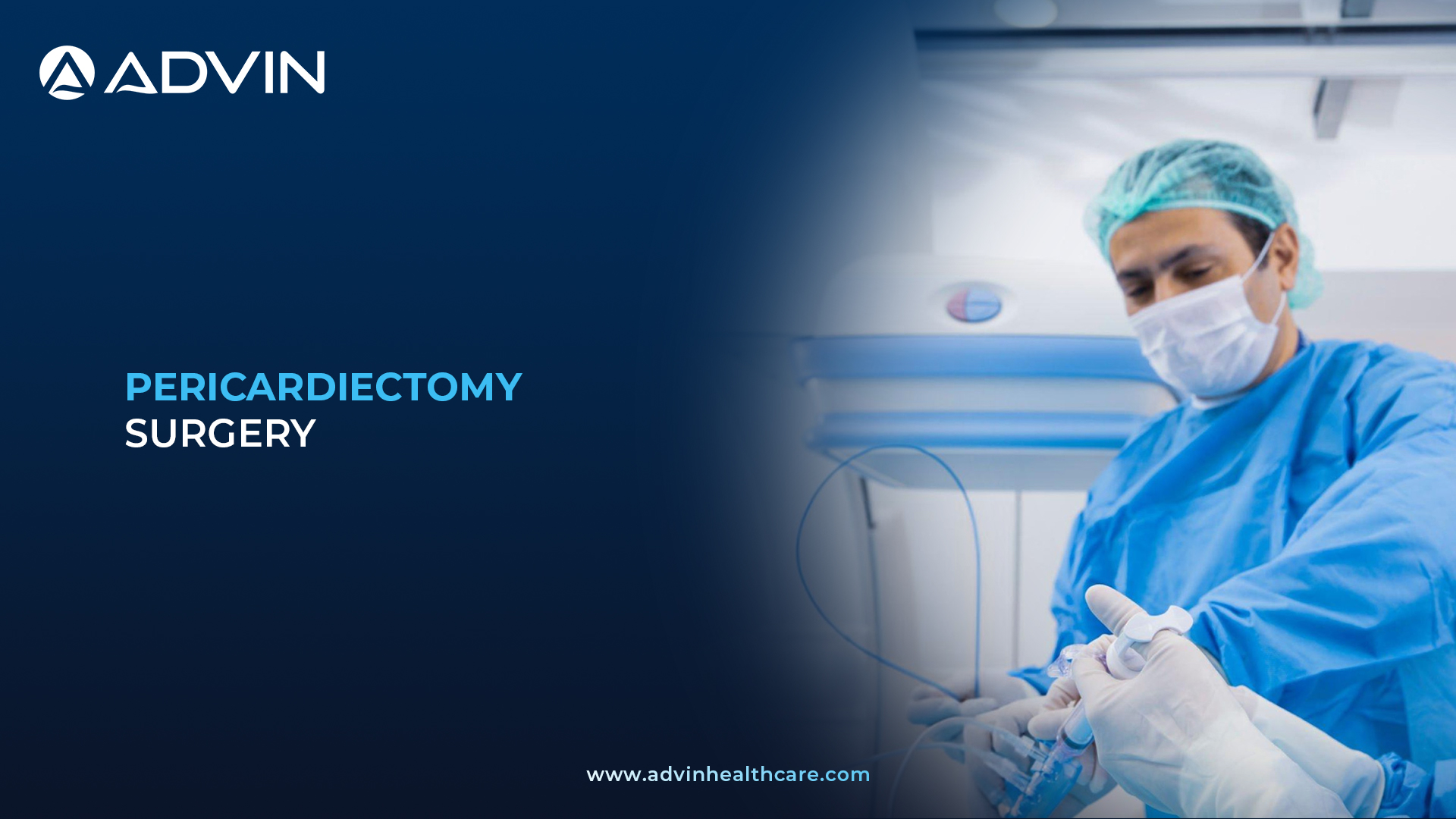
Pericardiectomy - Surgical Solution for Pericardial Disorders
Pericardiectomy Introduction
Pericardiectomy is a surgical procedure to remove part or all of the pericardium, the sac surrounding the heart. This surgery is usually done when the pericardium becomes thickened or inflamed, causing pressure on the heart. It helps the heart beat more freely and improves blood flow.
Surgical Relief from Pericardial Constriction
Pericardiectomy is usually performed under general anesthesia using an open-chest or minimally invasive approach. Surgeons often make an incision through the sternum or between the ribs to reach the pericardium. Specialized instruments like pericardial scissors, forceps, and retractors are used to carefully remove the diseased pericardial tissue. In many cases, the entire pericardium is removed, especially if it is calcified or causing constriction. The heart is monitored closely during the procedure to maintain stable rhythms and circulation. This surgery helps improve heart function by relieving the pressure that restricts normal cardiac movement.
Why it’s done?
- To treat constrictive pericarditis, where the pericardium becomes stiff and restricts heart function
- When pericardial effusion leads to recurring tamponade or fluid buildup that doesn’t respond to other treatments
- To manage chronic infections or inflammation of the pericardium not responding to medication
- For cases of pericardial calcification causing long-term heart failure symptoms
Products Related to Pericardiectomy
- Pericardial Scissors
- Rib Retractor
- Sternum Saw
- Surgical Forceps
- Pericardial Ruler
- Cardiopulmonary Bypass Machine
- Electrocautery Unit
- Surgical Suction Device
- Chest Tube Drainage System
- Sternal Wires
Top 5 Countries of Pericardiectomy
- United States
- India
- Germany
- Japan
- Brazil
Pericardiectomy Benefits
- Improves heart filling and cardiac output in patients with constrictive pericarditis
- Reduces symptoms like fatigue, swelling, and shortness of breath
- Prevents complications like cardiac tamponade and chronic heart failure
- Increases long-term survival in properly selected patients
- Enhances quality of life by relieving chest pressure and improving exercise tolerance
Advin Health Care is a leading manufacturer of Pericardiectomy-related products, offering precision surgical tools and equipment for cardiac procedures.
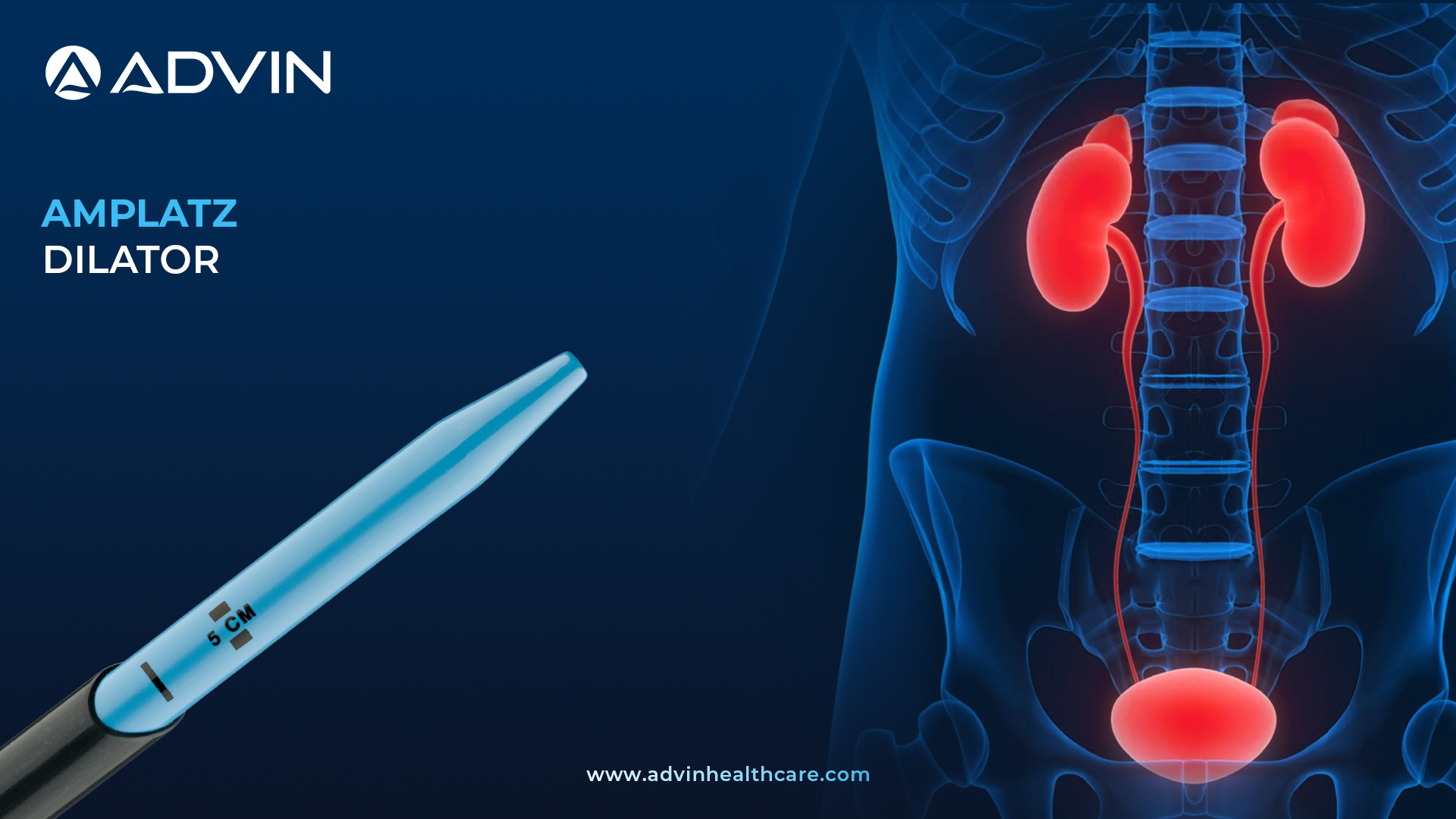
Amplatz Renal Dilator – Precision Dilation for Minimally Invasive Access
Overview of Cardiac Valve Replacement Procedures
Mitral Valve Replacement (MVR) is a major cardiac surgery performed to replace a diseased mitral valve with a mechanical or bioprosthetic valve. The procedure is typically indicated in severe mitral regurgitation or mitral stenosis when valve repair is not feasible. It is performed through open-heart surgery under cardiopulmonary bypass.
Medical Reasons for Cardiac Valve Replacement
- Severe mitral regurgitation
- Advanced mitral stenosis
- Rheumatic heart disease
- Infective endocarditis damaging the valve
- Degenerative valve disease
Essential Disposables in Mitral Valve Replacement
- Nivda Cardiac Surgery Drape
- Nivda Cardiothoracic Procedure Drape
- Nivda Sternotomy Drape
- Nivda Reinforced Fluid-Resistant Surgical Gown
- Nivda High Absorbency Disposable Drapes
- Nivda Sterile Surgical Gloves
- Nivda Suction and Fluid Collection Tubing Set
- Nivda Instrument Table Cover
- Nivda Mayo Stand Cover
- Nivda Sterile Patient Draping Sheet
Top 5 Countries Performing Mitral Valve Replacement
- United States
- Germany
- Japan
- United Kingdom
- India
Benefits of Mitral Valve Replacement
- Restoration of normal blood flow
- Relief from breathlessness and fatigue
- Prevention of heart failure progression
- Improved long-term survival
- Enhanced quality of life
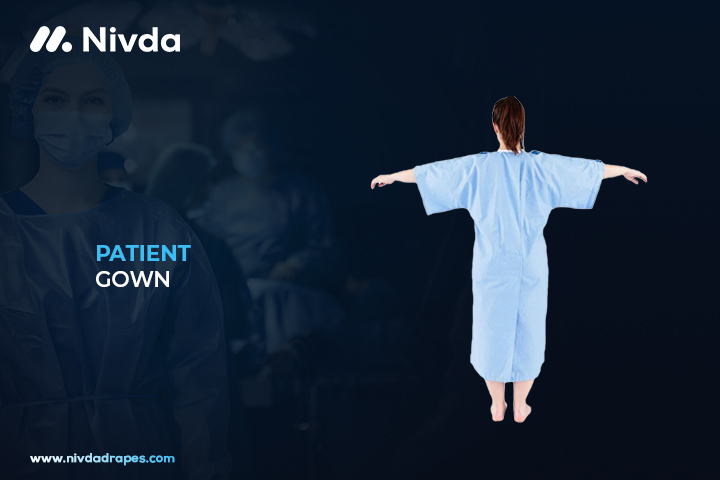
Patient Gown
Patient Gowns
A Patient Gown is a garment designed to provide comfort and modesty to patients during hospital stays or medical procedures. It allows easy access for healthcare professionals to perform examinations and treatments. These gowns are lightweight, breathable, and usually single-use to maintain hygiene.
Product History
Hospital gowns were initially made from cotton or fabric for repeated use, requiring frequent washing and sterilization. With the rise of infection control concerns, disposable patient gowns became popular. They are now widely used in hospitals, clinics, and diagnostic centers to ensure hygiene and patient comfort. Manufacturers like Nivda Drapes improved their designs to offer easy wear, accessibility, and durability.
Patient Gown – Comfortable and Hygienic Hospital Wear
Patient Gowns from Nivda Drapes are made from soft, non-woven material that ensures comfort and hygiene. Nivda Drapes ensures the gowns are lightweight, breathable, and easy to wear for patients of all sizes. They provide easy access for medical staff while maintaining patient modesty. These gowns reduce the risk of infection and cross-contamination during hospital stays or procedures. Ideal for wards, outpatient departments, and diagnostic tests, they are trusted globally by healthcare providers.
Surgeries Related to Product
- General Surgery
- Gynecological Procedures
- Urology Surgeries
- Orthopedic Surgeries
- Cardiac Surgeries
- Minor Procedures and Diagnostics
- Emergency Room Care
Step-by-Step Instructions for Patients
- Open the pack in a clean environment
- Place the gown over the patient’s body
- Tie or fasten at the back for proper fit
- Ensure comfort and full coverage
- Dispose of after single use in medical waste bins
Countries Using Patient Gowns Most
- India
- United States
- China
- Brazil
- Russia
- Japan
- Germany
- United Kingdom
- Turkey
- Indonesia
Benefits of Patient Gowns
- Ensures patient comfort and modesty
- Reduces risk of infection and contamination
- Lightweight and breathable for extended wear
- Easy access for healthcare staff during procedures
- Cost-effective single-use solution for hospitals
Market Demand for Patient Gowns
The demand for disposable patient gowns is growing due to increasing focus on hygiene and infection control in hospitals. Hospitals and clinics prefer single-use gowns to reduce laundry costs and minimize contamination risks. Nivda Drapes produces high-quality gowns that provide comfort, convenience, and safety. Global trends indicate rising adoption across healthcare facilities for inpatient care, diagnostic centers, and outpatient departments.
About Nivda Patient Gowns
Nivda Drapes is a leading manufacturer of Patient Gowns, offering soft, hygienic, and comfortable single-use garments trusted by hospitals and clinics worldwide.