


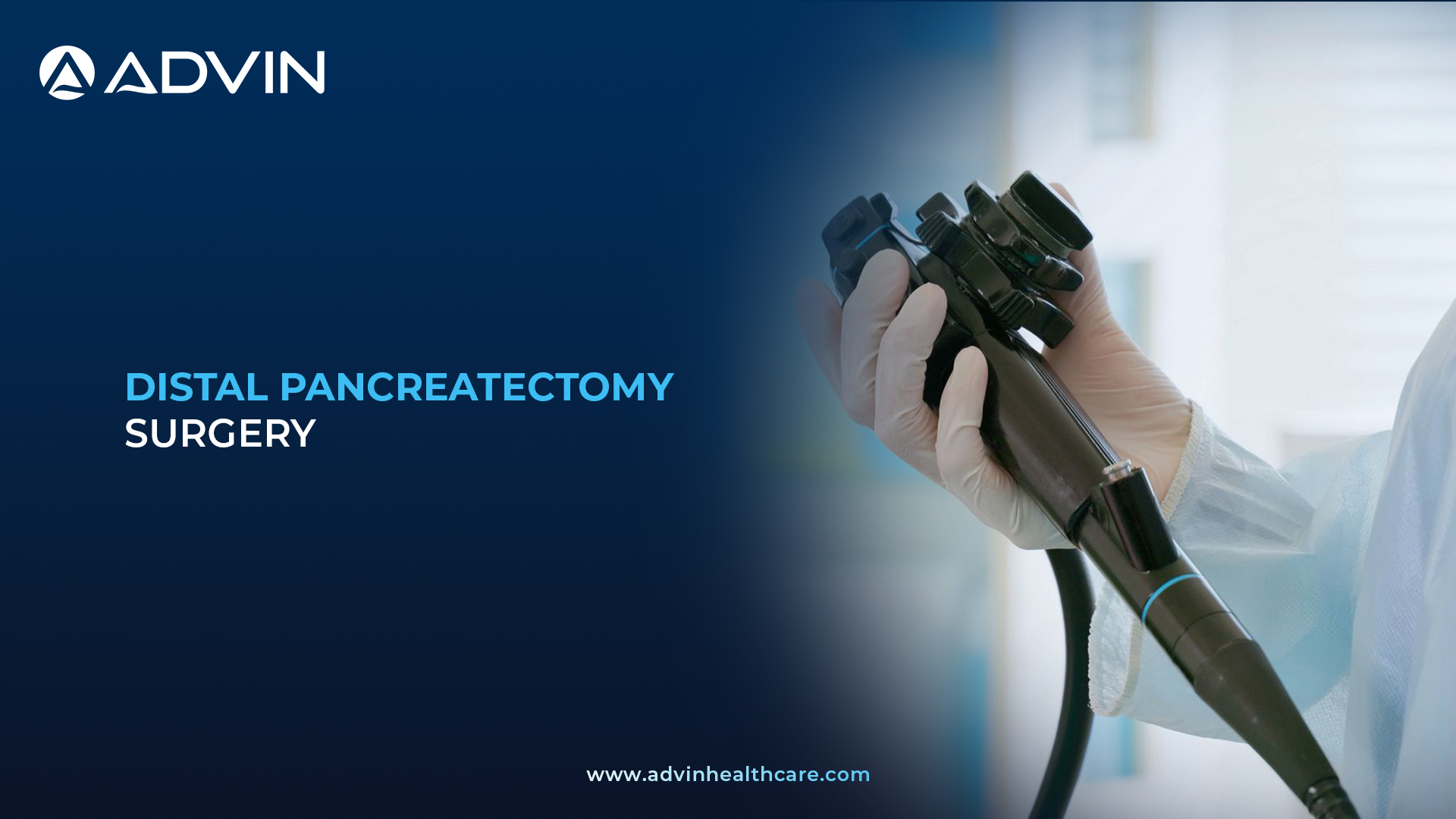
Surgical Removal of the Pancreas Tail - Distal Pancreatectomy
What Is Distal Pancreatectomy?
Distal pancreatectomy is a surgical procedure that involves removing the body and tail of the pancreas. It is typically done to treat tumors, cysts, or chronic inflammation in this part of the pancreas. Sometimes the spleen is also removed during the surgery if it shares blood supply with the pancreas.
Surgical Overview – A Focused Approach to the Pancreatic Tail
In distal pancreatectomy, surgeons make an incision in the abdomen to access the pancreas. Using laparoscopic or open techniques, the body and tail of the pancreas are separated from nearby tissues. Blood vessels are carefully sealed, and if required, the spleen is also removed. Surgical staplers or energy devices are commonly used for pancreatic transection. The procedure helps manage conditions like pancreatic cancer, cystic neoplasms, and trauma. Recovery often depends on whether the surgery was open or minimally invasive.
Common Medical Indications
- To remove cancerous tumors in the pancreatic body or tail
- To treat benign pancreatic cysts or growths
- For managing chronic pancreatitis affecting the distal pancreas
- In cases of traumatic injury to the pancreatic tail
- To treat neuroendocrine tumors or metastatic lesions
Products required in Distal Pancreatectomy Surgery
- Endoscopic Ultrasound (EUS) Needle
- EUS Fine Needle Aspiration (FNA) Set
- Cystotome
- Pancreatic Stent
- ERCP Cannula
- Sphincterotome
- Stone Retrieval Basket
- Guidewire – Zebra or Nitinol
- Biliary Dilator
- Hemostatic Clips
Where Is the Surgery Most Common?
- United States
- Germany
- Japan
- United Kingdom
- South Korea
Spleen Preservation in Distal Pancreatectomy
Spleen preservation is considered in distal pancreatectomy when dealing with benign or low-grade tumors. It helps maintain immune function and reduces the risk of long-term infections. Surgeons may preserve the splenic vessels or use alternate blood supply routes. The approach depends on tumor location and vessel involvement. When feasible, it improves recovery and lowers postoperative risks.
Clinical Outcomes and Gains
- Removes tumors or diseased tissue to prevent cancer progression
- Offers relief from chronic pain caused by pancreatitis
- Improves long-term survival in selected pancreatic cancers
- Can be performed laparoscopically for faster recovery
- Reduces complications compared to total pancreatectomy
Advin Health Care is a trusted manufacturer of high-quality gastroenterology and laparoscopic products used in Distal Pancreatectomy procedures globally.

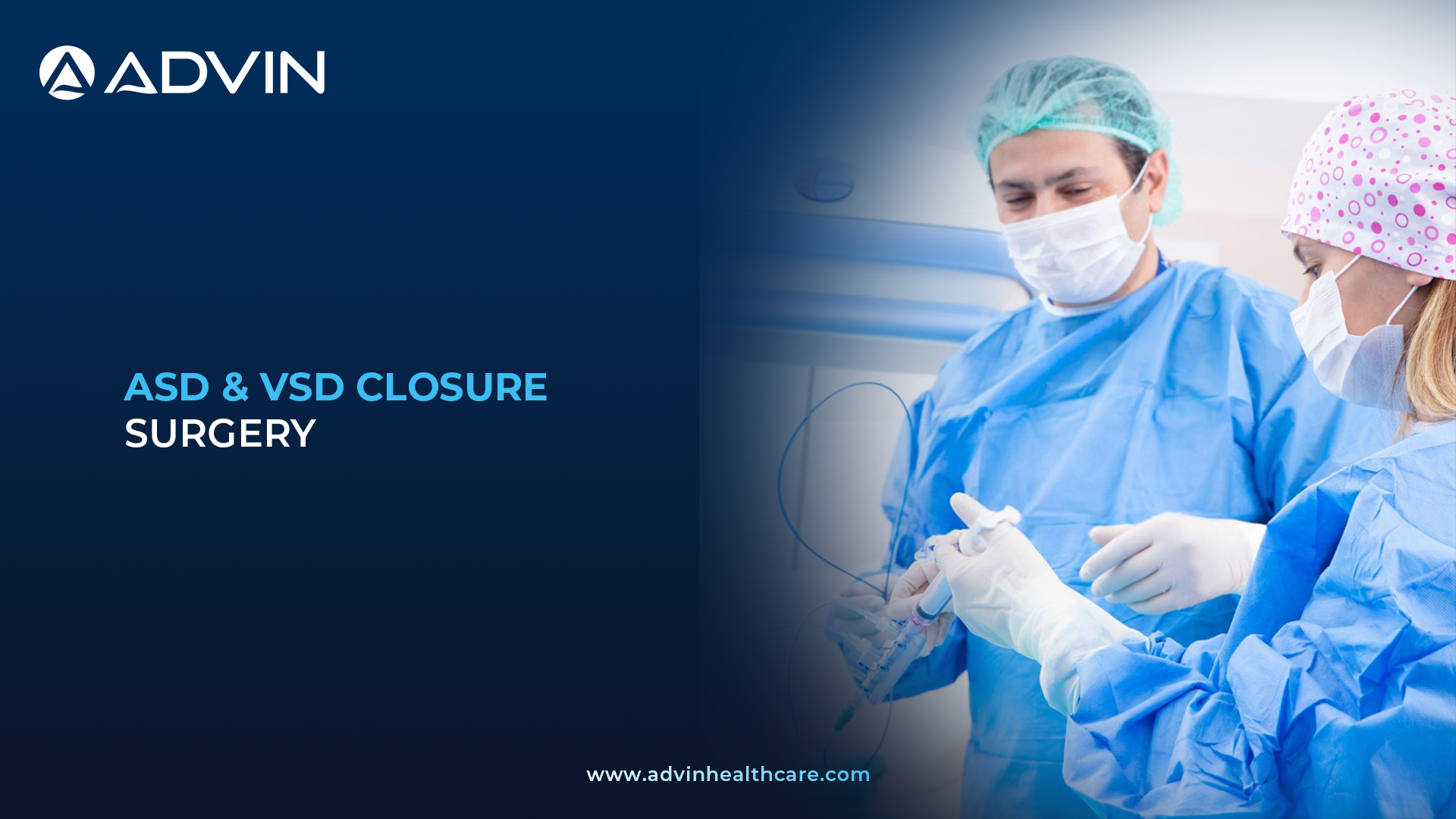
Expert Overview of ASD/VSD Closure Surgery in Heart Care
ASD/VSD Closure Introduction
ASD (Atrial Septal Defect) and VSD (Ventricular Septal Defect) are holes in the walls separating the heart chambers. Closure surgery repairs these defects to stop abnormal blood flow between the heart chambers. This helps the heart work better and prevents complications like heart failure or lung damage.
Precision Repair of Heart Septal Defects
ASD/VSD closure is a specialized cardiac procedure used to seal abnormal openings between heart chambers. It can be done through open-heart surgery or a minimally invasive catheter-based technique called device closure. In the catheter method, a small device is inserted through a vein and guided to the heart using imaging tools. Once in place, the device expands to seal the hole permanently. Tools used in this procedure include a delivery sheath, occluder device, guidewire, and fluoroscopy or echocardiographic imaging. The surgery helps normalize blood circulation in the heart and lowers the risk of pulmonary hypertension, stroke, or arrhythmia.
Why it’s done?
- To treat congenital heart defects that cause abnormal blood flow in the heart
- To prevent heart enlargement and long-term heart damage
- To reduce the risk of stroke due to blood clots passing through the defect
- To improve oxygen delivery and reduce shortness of breath or fatigue
Products Related to ASD/VSD Closure
- Guidewire
- Catheter
- Introducer Set
- Hemostatic Valve
- ASD Occluder Device
- VSD Occluder Device
- Delivery Sheath System
- Fluoroscopy Machine
- Transesophageal Echocardiography (TEE) Probe
- Snare Retrieval Device
Top 5 Countries of ASD/VSD Closure
- United States
- India
- Germany
- China
- United Kingdom
ASD/VSD Closure Benefits
- Restores normal blood flow between heart chambers
- Prevents heart failure and other long-term heart complications
- Reduces the need for lifelong medication or repeated interventions
- Enables children with congenital defects to grow and develop normally
- Minimally invasive options reduce hospital stay and recovery time
Advin Health Care is a leading manufacturer of ASD/VSD Closure related products, providing high-quality devices and instruments used by cardiologists worldwide.
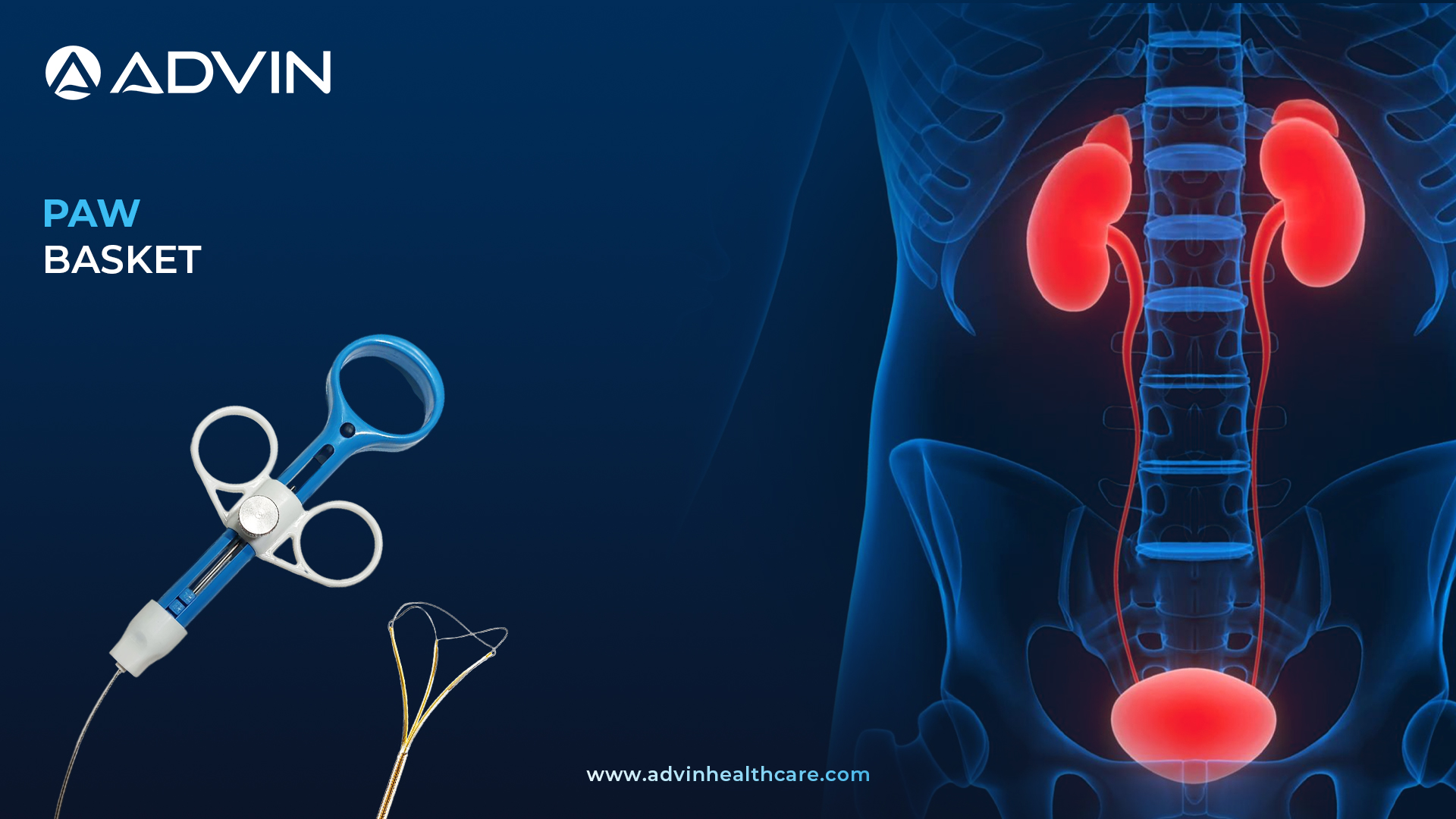
Paw Basket - Efficient Stone Retrieval Solution in Urological Procedures
Introduction to Paw Basket – Precision Stone Retrieval Device in Urology
The Paw Basket is a retrieval device used in urology to remove small stones or foreign bodies from the urinary tract. It features a flexible wire basket that expands to grasp and extract the material. This tool is commonly used during ureteroscopy and cystoscopy procedures.
Evolution of the Paw Basket – Advanced Grasping for Intrarenal and Ureteral Calculi
The Paw Basket was developed to improve the retrieval of calculi during endoscopic procedures. Earlier stone removal methods were less controlled and risked injury to delicate tissues. The evolution of nitinol and stainless steel baskets improved flexibility and grip strength. Today, it is a trusted instrument in urological stone management.
Overview of the Paw Basket – Efficient Stone Management with Enhanced Control
Advin Health Care manufactures high-quality Paw Baskets designed for effective stone retrieval during endoscopic urology procedures. The device features a flexible basket tip that can open and close to capture stones securely. Advin Health Care offers various sizes and configurations to suit different anatomical needs and stone sizes. The basket’s wire design ensures minimal trauma and precise control during extraction. It is ideal for use in ureteroscopic and cystoscopic environments.
Surgical Applications – Ideal for Stone Extraction in URS and RIRS Procedures
- Ureteroscopy (URS)
- Cystoscopy
- Retrograde Intrarenal Surgery (RIRS)
- Lithotripsy procedures
- Foreign body removal from the urinary tract
How to Use the Paw Basket – Stepwise Technique for Safe and Effective Stone Retrieval
- Insert the basket through the working channel of an endoscope
- Navigate to the location of the stone or object
- Deploy the basket by advancing the handle
- Capture the stone by closing the basket mechanism
- Gently withdraw the basket to extract the object
Commonly Used With – Ureteroscopes, Access Sheaths, Laser Fibers
- Ureteroscope (Rigid or Flexible)
- Lithotripter (Laser or Pneumatic)
- Ureteral Access Sheath
- Double J Stent
- Irrigation Pump
- Guidewire
Also Known As – Stone Retrieval Paw Basket, Endoscopic Stone Catcher
Stone Retrieval Basket, Urology Stone Basket, Nitinol Stone Basket, Endoscopic Retrieval Basket, Grasping Basket for Stones, Flexible Stone Catching Basket, Ureteroscopic Basket, Stone Catcher Basket, Kidney Stone Removal Basket, Wire Stone Retrieval Device
Advin Paw Basket – Size Options, Wire Type, Handle Design, and Sterility Features
- Dual-Function Grasper and Basket for Efficient Stone Retrieval
- Advin Health Care is a leading manufacturer of Paw Baskets designed for safe and efficient stone retrieval during ureteroscopic and cystoscopic procedures.
- The Forceps Basket combines the benefits of a stone grasper and a stone basket in a single, versatile device. Made from high-quality Nitinol, it is engineered for flexibility, durability, and precision during stone removal procedures in the urinary tract. Its unique design enables reliable grasping, secure retrieval, and easy release of stones of various sizes.
Advanced Features
- Dual Functionality – Acts as both a stone grasper and a stone basket
- Adjustable Knob – Provides controlled and smooth basket expansion
- Ergonomic Detachable Handle – Allows easy handling, detachment, and reattachment
- Made of Nitinol – Offers superior shape memory and flexibility
- Sterile & Single Use – Ensures patient safety and eliminates cross-contamination
Ideal for urologists, the Forceps Basket is a reliable and efficient tool for stone manipulation and extraction during ureteroscopy and endourological procedures.
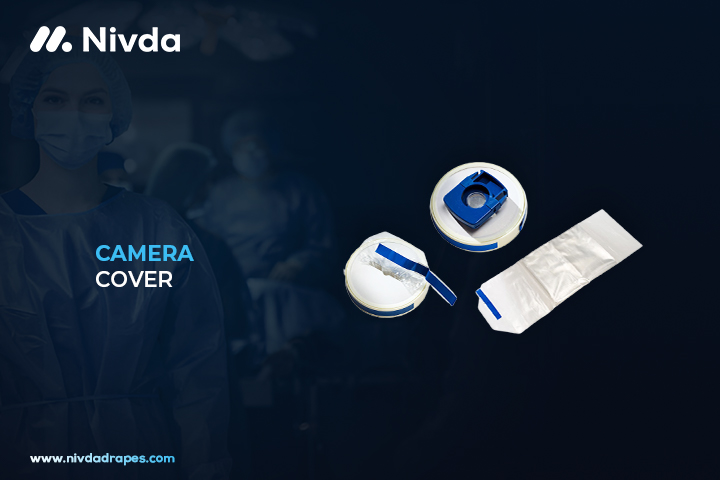
Hospital Camera Cover
Camera Covers
A Camera Cover is a sterile protective sleeve used to shield medical cameras and endoscopes during surgical procedures. It prevents contamination while maintaining clear visibility for doctors. These covers are designed for single use, ensuring both safety and convenience in hospitals.
Product History
Earlier, reusable cloth or simple plastic sheets were used to cover cameras, but they lacked proper sterility. With advancements in infection control, sterile disposable camera covers were introduced. They quickly became essential in operating rooms, especially with the rise of endoscopy and minimally invasive surgeries. Today, they are standard in most hospitals worldwide.
Hospital Camera Cover – Reliable Protection for Surgical Imaging Devices
Nivda Drapes Camera Cover is a sterile, single-use protective sleeve for surgical cameras and endoscopes. Nivda Drapes ensures the cover is transparent and clear, maintaining high-quality visibility during procedures. It reduces the risk of infection and contamination in critical operations. The cover is designed to fit securely and is easy to apply in the sterile field. Hospitals rely on it to balance patient safety with surgeon efficiency.
Medical Procedures Using Camera Covers
- Laparoscopic Surgery
- Endoscopic Surgery
- Arthroscopy
- Gynecological Procedures
- Urological Procedures
- Gastrointestinal Endoscopy
- ENT Endoscopy
How to Use a Camera Cover
- Open the sterile package carefully
- Place the cover over the camera or endoscope
- Ensure the lens area is properly covered but remains clear
- Secure the cover using the attached adhesive or elastic band
- Dispose of after single use in medical waste
Global Demand for Camera Covers
- India
- United States
- China
- Brazil
- Japan
- Germany
- United Kingdom
- Russia
- Turkey
- Mexico
Advantages of Sterile Camera Covers
- Maintains a sterile environment during endoscopic and laparoscopic procedures
- Prevents cross-contamination between patients
- Provides clear visibility without affecting camera quality
- Saves time compared to sterilizing reusable covers
- Cost-effective and convenient for hospitals
Other Terms Used Globally
Endoscope Camera Cover, Laparoscopic Camera Sleeve, Surgical Camera Cover, Sterile Camera Protection Cover, Disposable Endoscopy Cover, Transparent Camera Drape
Global Trends in Endoscopic Accessories
The demand for sterile camera covers has increased with the rise of minimally invasive and laparoscopic surgeries. Hospitals prefer disposable covers as they eliminate the risk of cross-infection and reduce sterilization workload. With global surgical volumes increasing, especially in India, China, and the U.S., camera covers are becoming a standard item in operating rooms. Nivda Drapes provides reliable, clear, and sterile camera covers trusted by surgeons worldwide.
Nivda Camera Cover Description
Nivda Drapes is a leading manufacturer of Camera Covers, offering sterile, transparent, and disposable solutions to protect medical cameras and endoscopes during critical surgical procedures.