


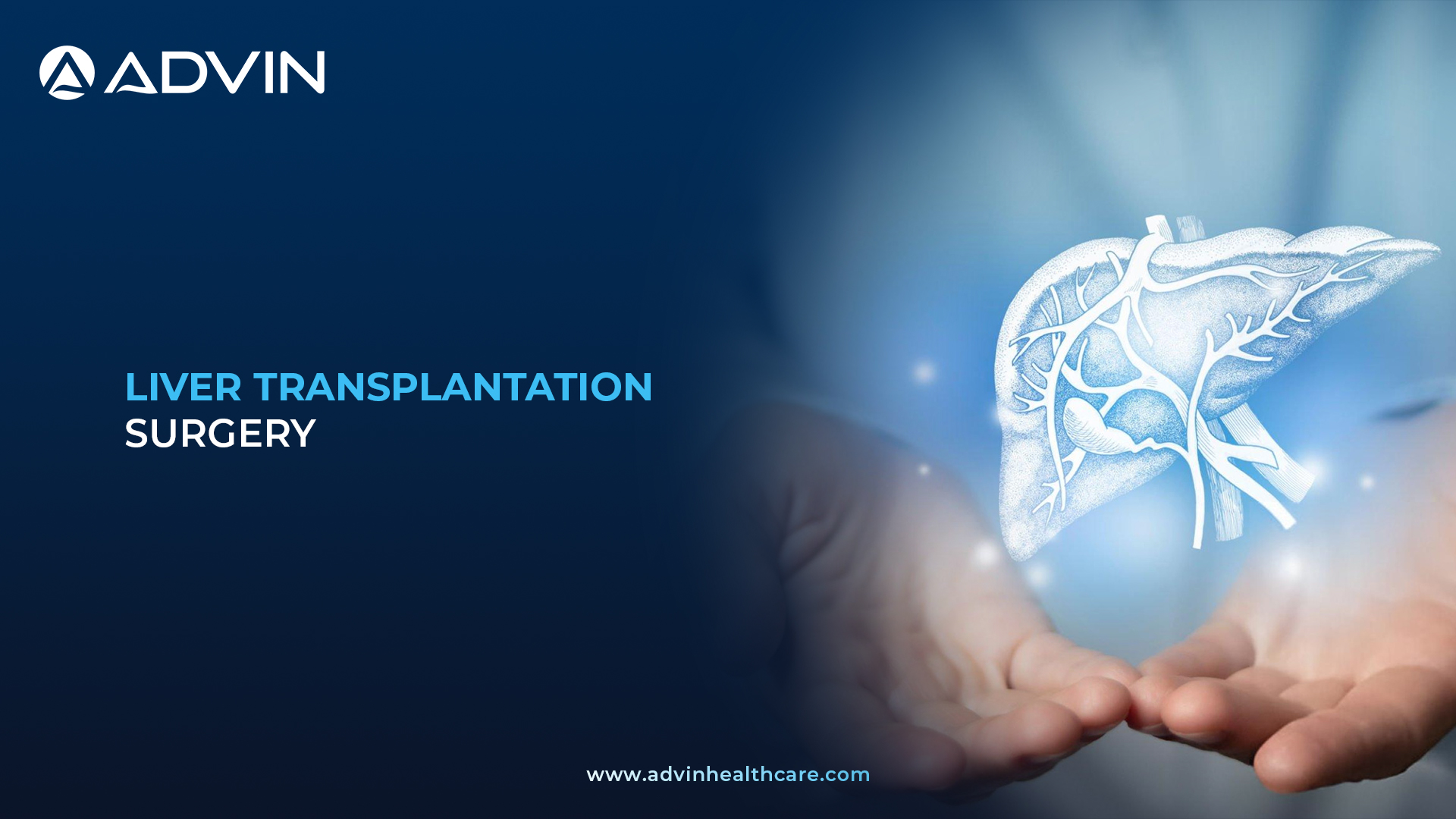
Liver Transplantation Surgery - A Lifesaving Gastroenterological Breakthrough
Liver Transplantation Introduction
Liver transplantation is a life-saving surgery where a diseased or non-functioning liver is replaced with a healthy donor liver. It is typically recommended for patients with end-stage liver disease or acute liver failure. This surgery restores normal liver function and improves survival.
A Closer Look – How Liver Transplantation is Performed
Liver transplantation is a complex surgery that typically lasts 6 to 12 hours and involves a multidisciplinary team. The patient is placed under general anaesthesia, and the diseased liver is carefully removed. A healthy donor liver—either from a deceased or living donor—is then implanted and connected to the patient’s blood vessels and bile ducts. Surgical tools such as vascular clamps, liver retractors, and biliary stents are used during the procedure. After transplantation, the liver is monitored closely for signs of rejection or complications. The surgery aims to restore liver function, prevent further complications, and enhance the patient’s quality of life.
When is Liver Transplant Surgery Needed?
- End-stage liver cirrhosis due to hepatitis B or C infection
- Acute liver failure from toxins, viruses, or drug overdose
- Liver cancer that hasn’t spread beyond the liver
- Genetic liver diseases such as Wilson’s disease or hemochromatosis
Pre-Transplant Evaluation Process
Before a liver transplant, patients must undergo a detailed evaluation to ensure they are suitable candidates for the procedure. This includes imaging tests like abdominal ultrasound, CT scan, or MRI to assess liver size and blood flow. Blood tests are performed to evaluate liver function, infection risk, and overall organ health. Cardiopulmonary assessments help rule out underlying heart or lung issues. A psychological evaluation may also be part of the process to assess mental readiness for post-surgical care. This step ensures that transplantation offers the best chance for long-term recovery and success.
Essential Surgical Instruments for Liver Transplant
- Biliary Stent
- Bile Duct Dilators
- Choledochoscope
- ERCP Catheter
- Laparoscopic Trocar
- Suction Irrigation Set
- Liver Retractor
- Surgical Sutures
- Stone Retrieval Basket
- Hemostatic Clips
- Tissue Forceps
- Balloon Dilator
- Endoscopic Needle Knife
Top 5 Countries of Liver Transplantation
- United States
- India
- China
- Germany
- South Korea
What Patients Gain from a Liver Transplant
- Restores liver function and prolongs life in patients with liver failure
- Improves overall quality of life by relieving symptoms like fatigue and jaundice
- Allows patients to return to daily activities and work post-recovery
- Increases survival rates for patients with liver-based cancers
- Reduces need for repeated hospitalizations and ongoing treatments
Advin Health Care is a trusted global manufacturer of advanced gastroenterology and surgical tools used in Liver Transplantation procedures.

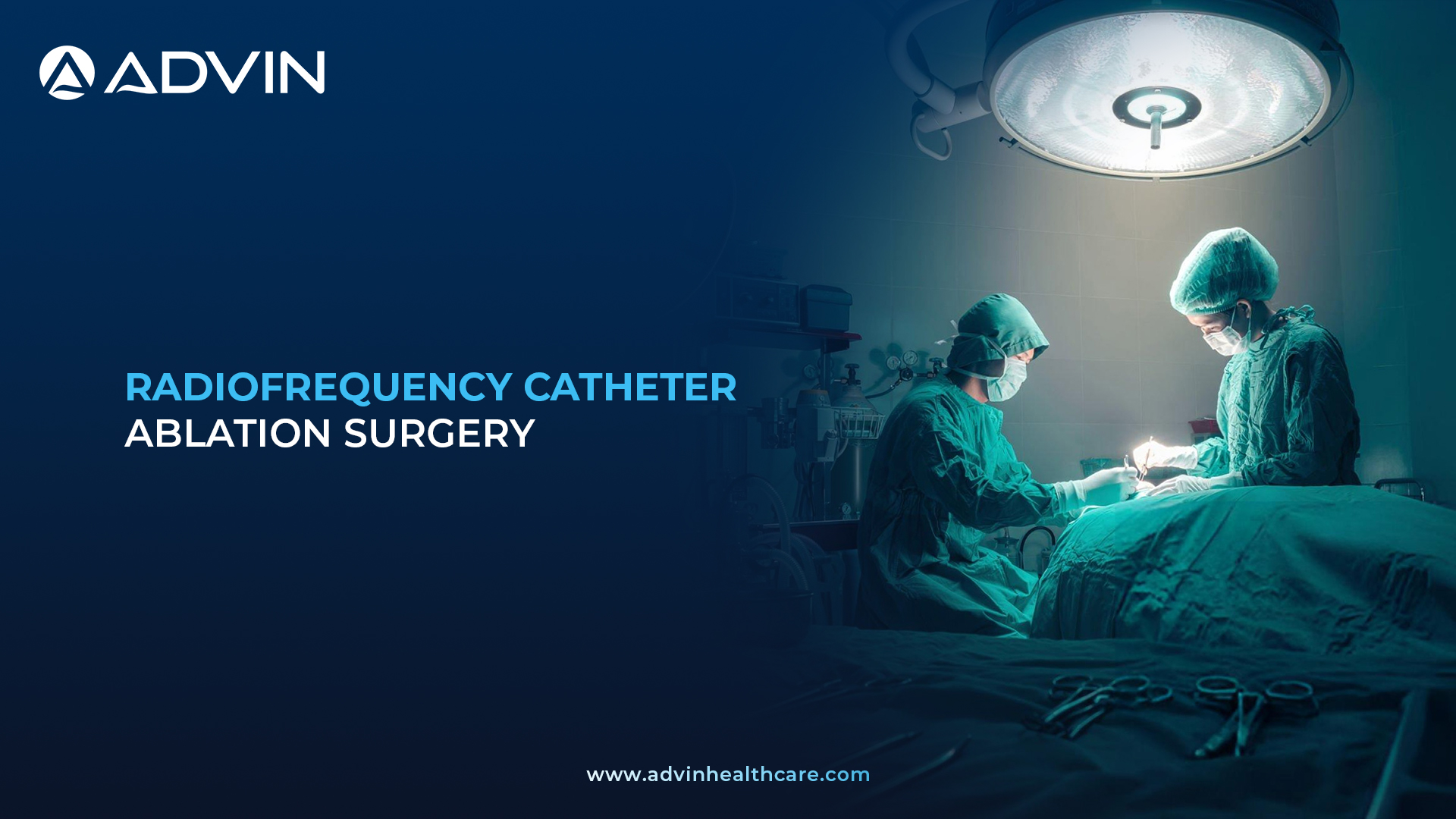
Radiofrequency Catheter Ablation - A Complete Guide for Cardiology Applications
Radiofrequency Catheter Ablation Introduction
Radiofrequency Catheter Ablation is a procedure used to treat certain types of abnormal heart rhythms. It works by sending energy through a thin tube (catheter) to destroy small areas of heart tissue that cause the irregular heartbeat. This procedure is minimally invasive and usually done in a hospital’s electrophysiology lab.
Precision Heat Therapy for Heart Rhythm Disorders
During Radiofrequency Catheter Ablation, a doctor inserts a catheter through a blood vessel, usually in the groin, and guides it into the heart. Once the catheter reaches the area causing the abnormal rhythm, it delivers radiofrequency energy to heat and destroy the faulty tissue. The procedure is guided by advanced imaging systems such as fluoroscopy and 3D mapping. Specialized catheters and electrophysiology monitors help identify the exact area responsible for the arrhythmia. Local aesthesia and sometimes mild sedation are used to keep the patient comfortable. This technique helps restore normal heart rhythm and reduces the need for long-term medication.
Why it’s done?
- To treat supraventricular tachycardia (SVT), which causes abnormally fast heartbeats.
- For patients with atrial fibrillation (AFib) who do not respond to medications.
- To manage ventricular tachycardia, a potentially life-threatening condition.
- When other treatments like medications or cardioversion fail or cause side effects.
Products Related to Radiofrequency Catheter Ablation
- RF Ablation Catheter
- Electrophysiology Mapping System
- Introducer Sheath
- RF Generator
- 3D Cardiac Mapping System
- Diagnostic EP Catheter
- Irrigated Tip Ablation Catheter
- Ablation Control Unit
- Intracardiac Echocardiography (ICE) Catheter
- Sterile Drape Kit for EP Procedures
Top 5 Countries of Radiofrequency Catheter Ablation
- United States
- Germany
- Japan
- United Kingdom
- India
Radiofrequency Catheter Ablation Benefits
- Provides long-term relief from arrhythmias without daily medication.
- Minimally invasive with faster recovery compared to open-heart surgery.
- Reduces the risk of stroke in certain arrhythmia patients.
- Improves overall heart function and patient quality of life.
- Significantly lowers the chance of emergency hospital visits for rhythm issues.
Advin Health Care is a leading manufacturer of Radiofrequency Catheter Ablation related products, providing reliable and innovative tools for cardiology procedures.
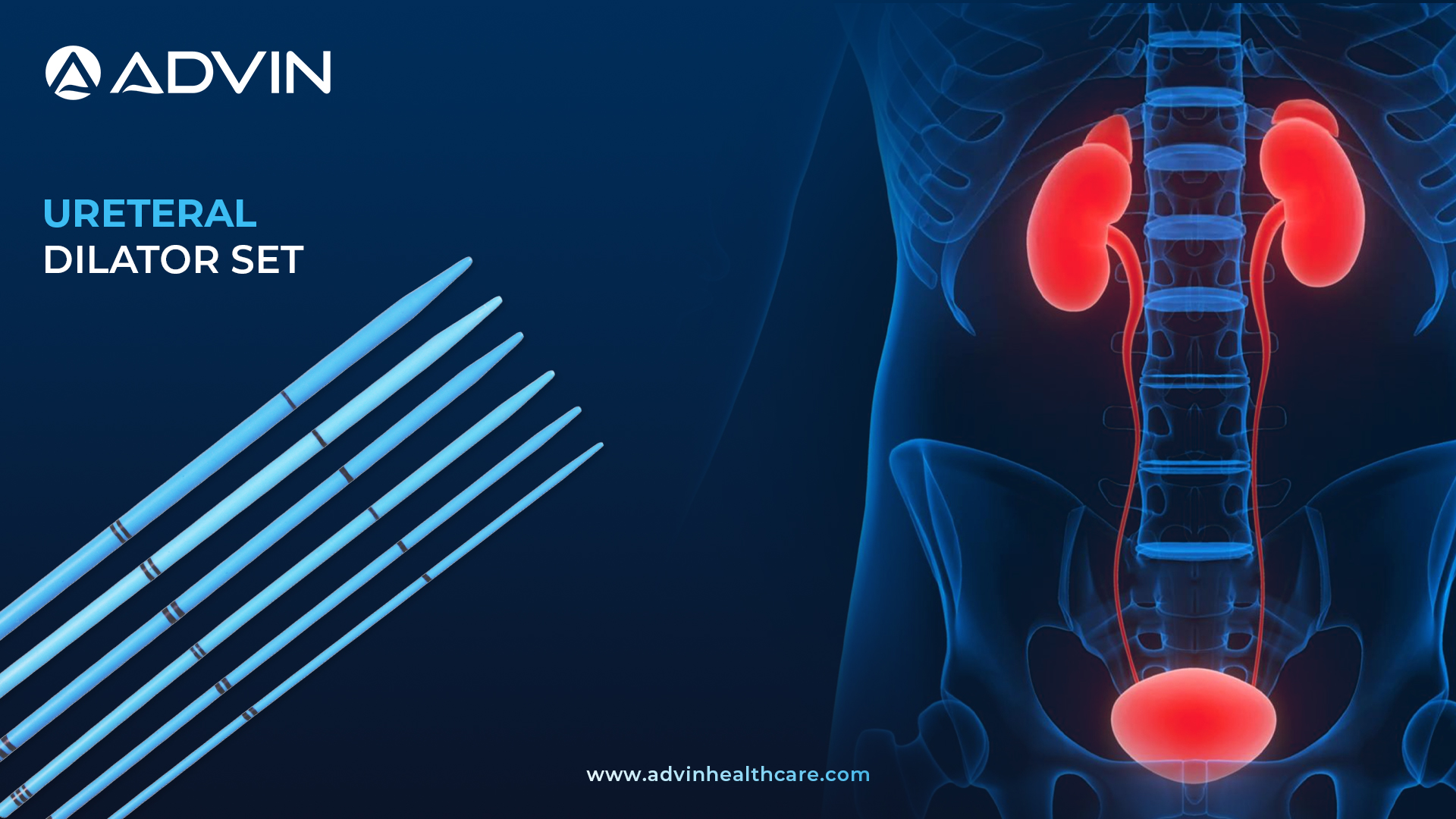
Ureteral Dilator Set - Essential Tool for Safe and Precise Ureteral Dilation
Introduction to Ureteral Dilator Set: Essential Tool for Ureteral Access and Expansion
The Ureteral Dilator Set is a medical device used to gently expand the ureter for various endourological procedures. It helps in the smooth passage of instruments such as ureteroscopes or stents. This set includes dilators of various sizes for gradual dilation and easy access.
Development and Evolution of Ureteral Dilators: Precision Engineering for Urological Excellence
Ureteral dilation has been practiced for decades to manage ureteral strictures and facilitate instrument insertion. Early methods used single-size rigid dilators, but these posed higher risks of trauma. The modern Ureteral Dilator Set was developed to offer safer, size-specific, and sequential dilation. Over time, the design has improved with better materials and smoother finishes for minimal patient discomfort.
What is a Ureteral Dilator Set? An Overview of Its Purpose and Composition
Advin Health Care provides Ureteral Dilator Sets designed for progressive dilation of the ureter during endourological interventions. These dilators are made from medical-grade materials with a smooth surface finish to reduce friction and trauma. Advin Health Care ensures each dilator in the set is precisely calibrated for predictable and consistent results. The set is compatible with most guide wires and ureteroscopes used in urology procedures. It is essential for safe ureteral access during stone removal, stent placement, and diagnostic procedures.
Clinical Applications – Designed for Sequential Dilation in Ureteroscopic and PCNL Procedures
- Ureteroscopy (URS)
- Ureteral Stent Insertion
- Ureteral Stricture Management
- Retrograde Pyelography
- Lithotripsy Procedures
How to Use a Ureteral Dilator Set – Step-by-Step Technique for Safe and Efficient Dilation
- Insert a guide wire into the ureter
- Start with the smallest dilator in the set
- Advance gently over the guide wire
- Progress to larger sizes sequentially
- Remove the dilator after desired dilation and proceed with the procedure
Market Trends and Global Demand: Widely Used in Laser Lithotripsy and Endoscopic Surgeries
The global demand for Ureteral Dilator Sets is growing due to the rise in kidney stone and ureteral stricture cases. With the increasing adoption of minimally invasive urology procedures, hospitals prefer complete dilator sets that offer multiple sizes for better flexibility and patient safety. Disposable options are gaining popularity in infection-sensitive environments, while reusable sets are preferred in resource-limited settings. Market trends also show a shift toward radiopaque and hydrophilic-coated dilators for enhanced visualization and easier insertion.
Also Known As – Sequential Ureteral Dilators, Ureteric Tract Dilator Set
Ureteral Dilator Kit, Ureteral Access Dilator Set, Ureteral Sequential Dilator, Urology Tract Dilator, URS Dilator Set, Ureter Scope Access Dilator, Endoscopic Ureteral Dilator, Progressive Ureter Dilator Set, Flexible Ureteral Dilator Set, Ureteral Channel Dilator
Advin Ureteral Dilator Set – Product Specifications, Size Options, and Compatibility Details
- Precision Dilation for Ureteral Access and Stone Management
- Advin Health Care is a leading manufacturer of Ureteral Dilator Sets, offering precise, smooth, and reliable solutions for safe ureteral access in urological procedures.
- The Ureteral Dilator Set is specifically designed for sequential dilation of the ureter and intramural tunnel prior to ureterorenoscopy or stone manipulation. It allows smooth and gradual enlargement of the ureter to facilitate endoscopic access and ease of instrumentation.
Advanced Features
- Step-by-Step Dilation – Enables controlled and progressive ureteral expansion
- Smooth Surface – Minimizes trauma and ensures patient comfort
- Radiopaque – Enhances fluoroscopic visualization for precise placement
- Sterile & Single Use – ETO sterilized for safe, hygienic application
- Uniform Tapering – Reduces the risk of ureteral injury during dilation
The set is ideal for urologic interventions requiring a safe and effective dilation approach, especially in procedures involving ureteral access and stone retrieval.
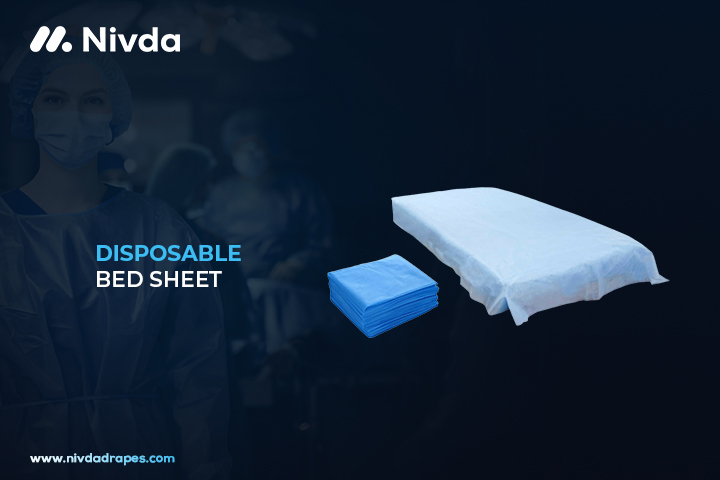
Disposable Bed Sheet
Disposable Bed Sheets
Disposable Bed Sheets are single-use sheets designed for hospitals, clinics, and patient care centers. They provide a clean and hygienic surface for patients during treatment or rest. These sheets are lightweight, easy to use, and help maintain infection control.
Product History
Traditionally, hospitals used cotton or reusable sheets, which required frequent washing and sterilization. Over time, disposable non-woven and PE-based sheets were introduced to save time and prevent cross-contamination. The shift toward disposable options became significant in the late 20th century with growing concerns about hospital-acquired infections. Today, they are standard in healthcare facilities worldwide for maintaining hygiene.
Disposable Bed Sheet – Reliable Coverage for Patient Safety
Disposable Bed Sheets by Nivda Drapes are crafted from high-quality, non-woven fabric designed to ensure hygiene and comfort. Nivda Drapes provides sheets that are soft, lightweight, and strong enough for extended use in hospitals. They act as a protective barrier against fluids and bacteria, reducing infection risks. These sheets eliminate the need for washing, saving time and resources. Ideal for operating rooms, wards, and diagnostic areas, they are trusted by healthcare professionals worldwide.
Surgical Uses of Disposable Bed Sheets
- General Surgeries
- Gynecological Procedures
- Urology Surgeries
- Orthopedic Surgeries
- Cardiac Surgeries
- Cesarean Deliveries
- Diagnostic and Day-Care Procedures
How to Use Disposable Bed Sheets
- Open the sterile pack in a clean environment
- Spread the sheet evenly on the bed or trolley surface
- Ensure edges are tucked in for full coverage
- Discard after single use in designated medical waste bins
Clinical Advantages of Single-Use Sheets
- Provides a sterile, hygienic patient surface
- Prevents cross-contamination and infection spread
- Saves time by eliminating the need for laundering
- Comfortable and lightweight for patient use
- Cost-effective solution for high-turnover healthcare facilities
Product Also Known As
Hospital Disposable Sheets, Single-Use Bed Sheets, Non-Woven Bed Sheets, Medical Bed Covers, Patient Care Sheets, Surgical Bed Sheets, Hygiene Bed Covers, Disposable Hospital Linen
Market Demand for Disposable Bed Sheets
The global demand for Disposable Bed Sheets is rising due to the growing focus on hygiene and infection control. Hospitals and clinics prefer single-use sheets to save resources and minimize contamination risks. With increasing patient turnover and stricter healthcare standards, disposable sheets are replacing reusable linens in many countries. Nivda Drapes continues to supply high-quality sheets to meet these global healthcare needs.
Nivda Disposable Bed Sheets Description
Nivda Drapes is a leading manufacturer of Disposable Bed Sheets, offering high-quality, hygienic, and comfortable single-use sheets designed for hospitals, clinics, and diagnostic centers worldwide.
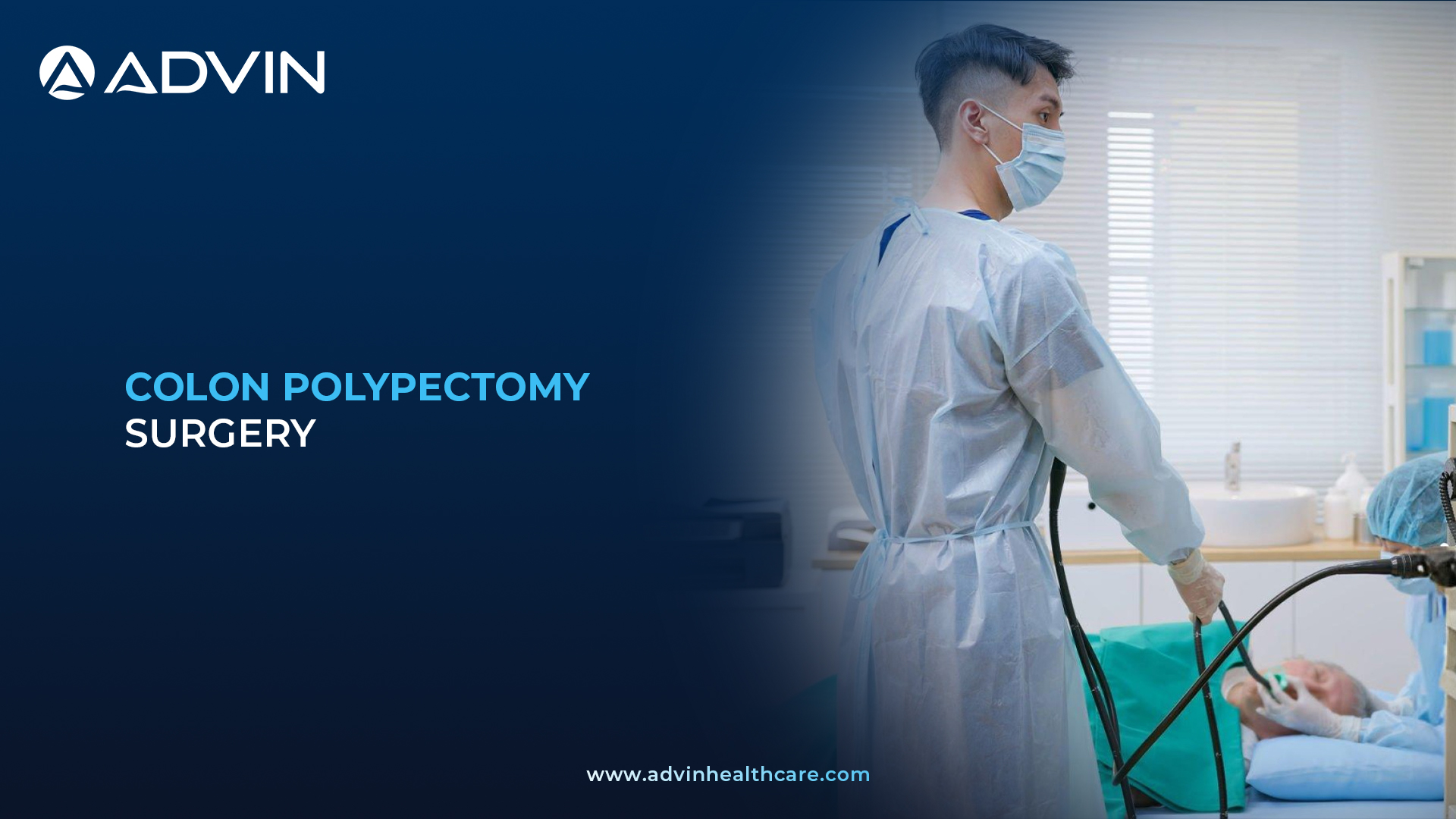
Colon Polypectomy Surgery - A Minimally Invasive Approach to Cancer Prevention
Understanding Colon Polypectomy
Colon polypectomy is a procedure to remove polyps from the inner lining of the colon. These polyps can be benign or have the potential to turn into colorectal cancer over time. The surgery is typically performed during a colonoscopy using minimally invasive endoscopic tools.
Removing Hidden Risks – The Procedure Behind Colon Polypectomy
During colon polypectomy, a flexible colonoscope is inserted into the rectum to visualize the colon. Once a polyp is detected, it is removed using specialized tools such as snares, biopsy forceps, or electrocautery loops. Small polyps are often removed in one piece, while larger ones may be removed in sections. The entire procedure is done endoscopically, meaning no incisions are required. Removed tissue is sent for pathological examination to check for signs of cancer or dysplasia. This procedure significantly reduces the risk of colorectal cancer by eliminating precancerous growths early.
Indications for This Procedure
- To remove precancerous polyps and prevent colorectal cancer
- To diagnose the nature of abnormal growths in the colon
- To treat symptoms like bleeding or changes in bowel habits caused by polyps
- As part of routine colorectal cancer screening in high-risk or older individuals
Essential Endoscopic Tools for Polypectomy
- Colonoscope
- Polypectomy Snare
- Biopsy Forceps
- Electrosurgical Generator
- Hot Biopsy Forceps
- Injection Needle (for lifting polyps)
- Endoscopic Clip (for post-polypectomy bleeding control)
- CO₂ Insufflator
- Retrieval Basket or Net
- Endoscope Cleaning Brush
Technological Innovations in Polypectomy Tools
Recent advancements in endoscopic technology have improved the safety and efficiency of colon polypectomy procedures. Devices like cold snares, rotatable forceps, and underwater polypectomy tools have reduced the risk of complications. Modern electrosurgical units now offer adjustable energy settings for precise cutting with minimal thermal injury. Enhanced imaging features like narrow-band imaging (NBI) and chromoendoscopy help in better visualization and complete removal of polyps. These innovations allow even large or difficult polyps to be removed without surgery. As technology continues to evolve, polypectomy becomes safer, faster, and more effective.
Colon Polypectomy Benefits
- Minimally invasive method for cancer prevention
- Can be done during routine colonoscopy without separate surgery
- Reduces future risk of colorectal cancer significantly
- Quick recovery and often done as an outpatient procedure
- Immediate pathological diagnosis through tissue sampling
Advin Health Care is a leading manufacturer of Colon Polypectomy-related endoscopic products, offering a complete range of high-quality tools to support effective and safe procedures worldwide.
Precision in Cardiac Care - Heart Valve Repair Surgery Explained
Heart Valve Repair Surgery Introduction
Heart valve repair surgery is done to fix one or more of the heart’s valves that are not working properly. It helps restore normal blood flow by repairing damaged or faulty valve tissue. This surgery is often chosen over valve replacement when the natural valve can be preserved.
Precision Repair: Techniques in Heart Valve Surgery
Heart valve repair is typically performed through open-heart surgery or minimally invasive methods, depending on the patient’s condition. Surgeons may use specialized instruments such as annuloplasty rings, clips, or patches to reshape or support the valve. Common procedures include tightening the valve opening or repairing flaps (leaflets) that do not close properly. In minimally invasive approaches, small incisions and robotic tools reduce recovery time. The heart-lung machine is often used to take over circulation while the heart is still during the procedure. This surgery helps the heart pump blood more efficiently and can prevent long-term damage.
Why it’s done?
- To treat valve regurgitation (leaky valve causing blood to flow backward).
- To correct valve stenosis (narrowed valve restricting blood flow).
- To relieve symptoms like fatigue, shortness of breath, and chest pain.
- To prevent heart failure or reduce the risk of sudden cardiac death.
- To repair congenital valve defects or damage from infection (endocarditis).
Products Related to Heart Valve Repair Surgery
- Annuloplasty Rings
- Mitral Valve Clips
- Cardiopulmonary Bypass Machine
- Valve Retractors
- Surgical Sutures
- Heart Valve Repair Patches
- Robotic Surgical Instruments
- Valve Measuring Devices
- TEE (Transesophageal Echocardiography) Probes
- Cardioplegia Solution Delivery Systems
Top 5 Countries of Heart Valve Repair Surgery
- United States
- Germany
- Japan
- United Kingdom
- France
Heart Valve Repair Surgery Benefits
- Preserves the patient’s natural valve, reducing the need for lifelong medication.
- Improves heart function and overall quality of life.
- Reduces the risk of stroke and other heart-related complications.
- Typically has better long-term outcomes than valve replacement.
- Lowers the risk of infection compared to artificial valve implants.
- Faster recovery when done with minimally invasive techniques.
Advin Health Care is a leading manufacturer of Heart Valve Repair Surgery related products, offering advanced tools and solutions for cardiovascular procedures.
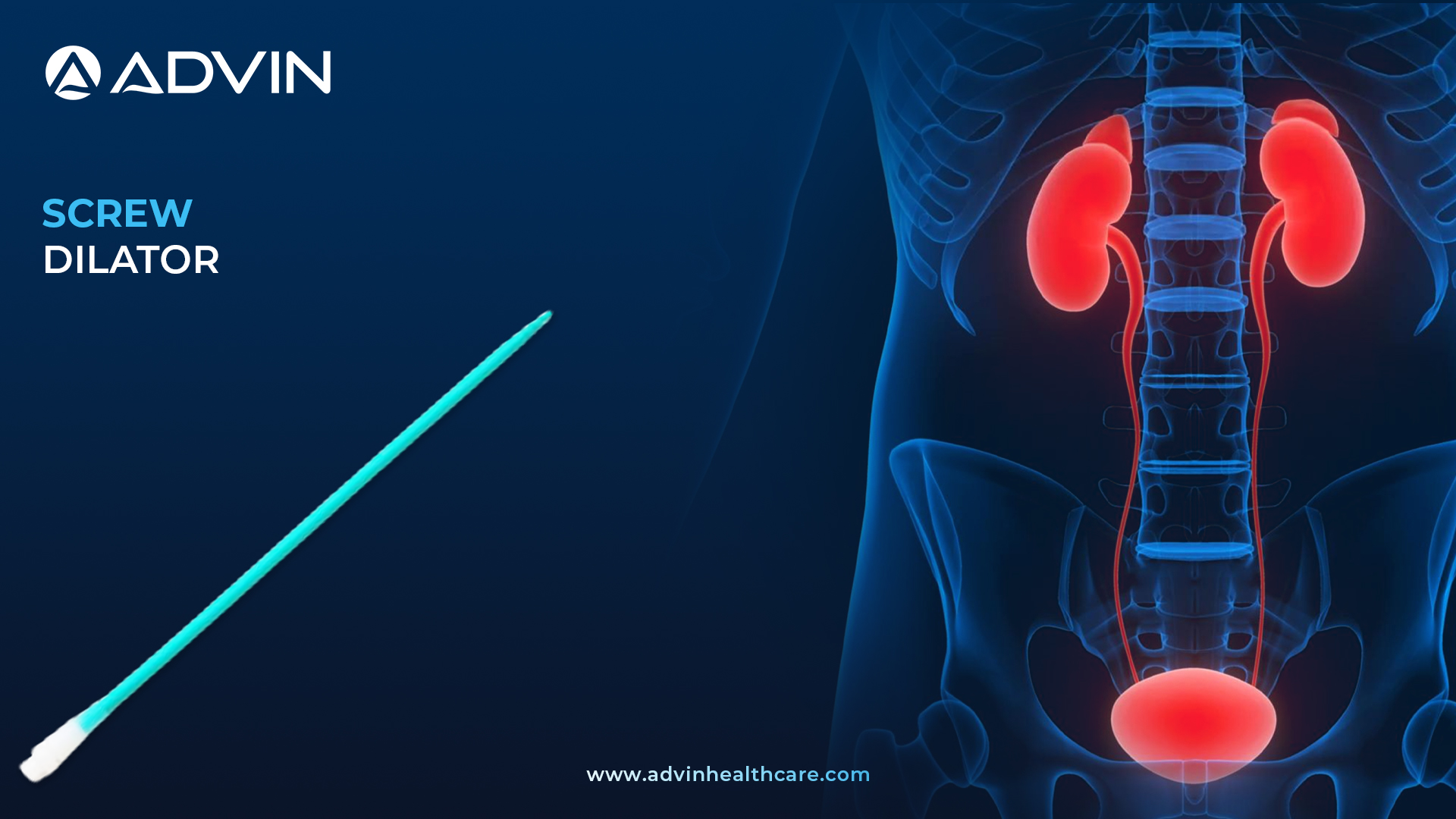
Screw Dilator - Precision Tool for Gradual Urethral Dilation
Introduction to Screw Dilator – Controlled Dilation for Precision Access in Urology
The Screw Dilator is a specialized medical instrument used in urology to gradually dilate narrow body channels like the ureter or nephrostomy tract. Its threaded design allows controlled advancement with minimal trauma. It is commonly used during PCNL and percutaneous access procedures.
Development and Design Evolution of the Screw Dilator: Advancing Tract Creation Techniques
The Screw Dilator was introduced as an improvement over conventional dilators to offer more control and precision during dilation. Its spiral design helps reduce tissue trauma and ensures steady expansion. Over time, enhancements have focused on material strength and ergonomic grip. It is now widely used in both open and minimally invasive procedures across urology centers.
What is a Screw Dilator? A Brief Overview of Its Role in Percutaneous Procedures
Advin Health Care offers Screw Dilators made from high-strength medical-grade materials for precision and durability. These dilators provide gradual and controlled tract dilation using a screw-like mechanism, making them ideal for percutaneous access procedures. Advin Health Care designs them for compatibility with various guide wires and sheaths to support smooth surgical workflow. The unique spiral design reduces slippage and minimizes trauma to surrounding tissues. This tool is especially useful in PCNL and other nephrostomy-related interventions.
Clinical Applications – Ideal for Nephrostomy and PCNL Access Tract Dilation
- Percutaneous Nephrolithotomy (PCNL)
- Nephrostomy Tract Dilation
- Urological Stone Removal
- Percutaneous Access Procedures
How to Use a Screw Dilator – Step-by-Step Technique for Safe and Steady Expansion
- Select appropriate size Screw Dilator
- Position over guide wire
- Rotate slowly to advance into the tissue
- Stop when desired dilation is reached
- Remove carefully and proceed with sheath insertion
Clinical Benefits – Gradual Expansion, Reduced Trauma, Enhanced Control for Surgeons
- Provides gradual and controlled dilation
- Reduces risk of tissue trauma compared to rapid dilation
- Compatible with standard guide wires
- Enhances accuracy during percutaneous access
- Minimizes slippage during insertion
- Suitable for both adult and pediatric applications
Also Known As – Rotating Tract Dilator, Threaded Access Dilator
Percutaneous Screw Dilator, Spiral Tract Dilator, Threaded Urology Dilator, PCNL Screw Dilator, Ureteral Access Screw Dilator, Kidney Tract Screw Dilator, Renal Spiral Dilator, Urology Access Dilator, Controlled Dilation Screw Tool, Screw-Type Urology Dilator
Advin Screw Dilator – Technical Specifications, Sizes, Compatibility, and Build Quality
- Efficient One-Step Tract Dilation
- Advin Health Care is a leading manufacturer of Screw Dilators designed for precise, safe, and controlled dilation in percutaneous urology procedures.
- The Screw Dilator is designed for rapid and efficient single-step dilation of the percutaneous tract during procedures such as PCNL. It serves as an alternative to traditional sequential dilation methods and is compatible with the Amplatz sheath for smooth procedural flow.
Advanced Features
- One-Step Dilation – Eliminates the need for multiple sequential dilators
- Compatible with Amplatz Sheath – Seamless integration during tract formation
- Smooth Surface – Minimizes trauma during insertion
- Sterile & Single Use – Ensures patient safety and hygiene
- Easy Handling – Lightweight and ergonomic for surgeon comfort
This dilator provides quick access, reduces procedural time, and minimizes tissue trauma — making it an essential tool for percutaneous urological interventions.
Pediatric Cardiac Drape Kit
Pediatric Cardiac Drape Kit
The Pediatric Cardiac Drape Kit is a sterile draping solution designed for heart surgeries in infants and children. It ensures complete coverage of the surgical area to prevent infection. This kit is tailored for delicate cardiac procedures requiring precision and safety.
History of Pediatric Cardiac Drape Kit
In the past, pediatric cardiac surgeries were performed using standard adult drapes, which did not fit smaller patients well. As pediatric cardiac care advanced, specialized drapes were developed to ensure proper coverage and safety. Nivda Drapes and other manufacturers designed kits with features suited to the anatomy and needs of children. These kits are now an essential standard in pediatric cardiac operating rooms worldwide.
Pediatric Cardiac Drape Kit – Advanced Draping Kit for Precise Cardiac Procedures
The Pediatric Cardiac Drape Kit from Nivda Drapes is crafted to provide optimal sterility during delicate pediatric heart surgeries. Nivda Drapes uses high-quality, fluid-resistant materials to protect both the patient and surgical team. Its smaller size and specialized fenestrations ensure a perfect fit for pediatric patients. Integrated fluid control features help maintain a clean and dry operating area. The kit is pre-sterilized and ready for immediate use, reducing preparation time.
Where Pediatric Cardiac Kit Are Essential
- Pediatric Open Heart Surgery
- Congenital Heart Defect Repair
- Pediatric Heart Valve Surgery
- Pediatric Heart Transplant
- Pediatric Bypass Surgery
Using the Pediatric Cardiac Drape Kit
- Open the Pediatric Cardiac Drape Kit in a sterile field
- Place fenestration over the chest area for surgical access
- Secure adhesive zones to prevent drape shifting
- Connect fluid collection areas to suction if applicable
- Ensure full patient coverage to maintain sterility
Benefits of Pediatric Cardiac Drape Kit
- Maintains a sterile field during high-risk cardiac procedures
- Fits pediatric anatomy for precise coverage
- Reduces fluid contamination in the surgical area
- Enhances surgeon access with well-positioned openings
- Minimizes infection risk in vulnerable pediatric patients
Complete Pediatric Cardiac Surgery Setup
- Pediatric Cardiac Surgical Gown
- Sterile Nitrile Gloves
- Pediatric Heart-Lung Machine Tubing Set
- Pediatric Retractors
- Cardiac Surgical Instrument Set
- Suction Tubing and Canister
- Pediatric Anesthesia Drapes
- Pediatric Monitoring Leads
Global Demand for Pediatric Cardiac Drape Kit
Pediatric Cardiac Drape Kits are in growing demand due to advancements in early detection and surgical treatment of congenital heart defects. More countries are investing in pediatric cardiac care centers, increasing the global need for specialized draping solutions. Nivda Drapes continues to innovate with pediatric-focused designs that enhance safety and efficiency. The trend toward minimally invasive pediatric cardiac procedures is also shaping new drape kit designs for the future.
About Pediatric Cardiac Drape Kit
Nivda Drapes is a leading manufacturer of Pediatric Cardiac Drape Kits, offering precision-engineered, sterile solutions for children’s heart surgeries worldwide.
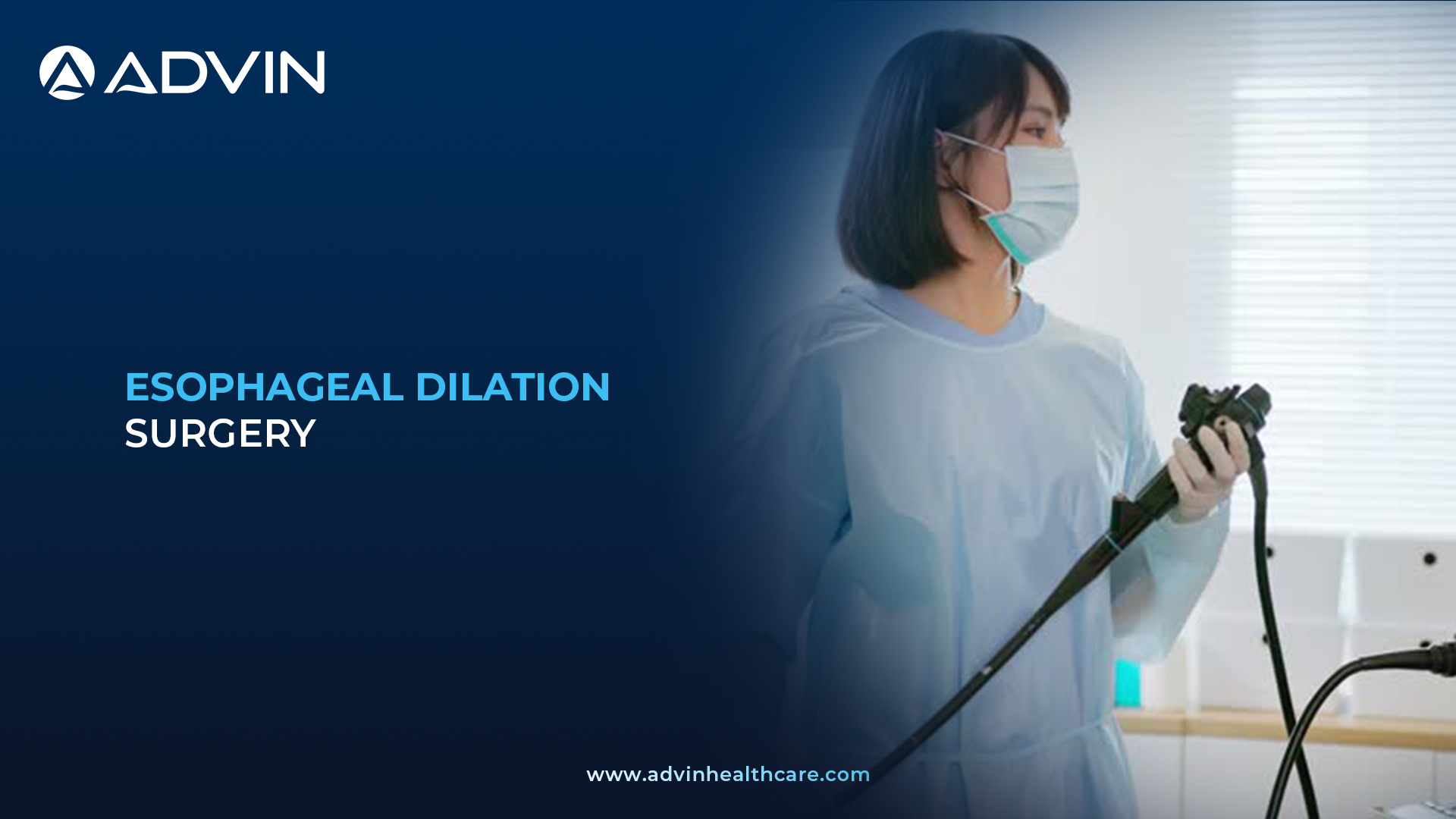
Esophageal Dilation Surgery - A Relief for Swallowing Disorders
Understanding Esophageal Dilation
Esophageal Dilation is a procedure used to widen a narrowed section of the esophagus. This narrowing, also called a stricture, can make swallowing difficult or painful. The surgery is commonly done using endoscopy with special tools to gently stretch the narrowed area.
Gentle Expansion for Easier Swallowing
Esophageal Dilation is usually performed using a flexible endoscope passed through the mouth to visualize the esophagus. Once the narrowed area is identified, either a balloon dilator or a bougie dilator is inserted. The balloon is inflated or the bougie is advanced to gradually stretch the narrowed segment. Local anesthesia and light sedation are commonly used to make the procedure comfortable. Fluoroscopy may be used for real-time imaging during the dilation. This procedure allows food and liquid to pass more easily through the esophagus, greatly improving swallowing function.
When is Esophageal Dilation Needed?
- To treat esophageal strictures caused by chronic acid reflux or GERD.
- To manage narrowing from radiation therapy, surgery, or cancer treatment.
- To relieve difficulty swallowing (dysphagia) in conditions like achalasia or eosinophilic esophagitis.
- To improve quality of life in patients with benign or malignant esophageal narrowing.
Endoscopic Tools Used in Esophageal Dilation
- Esophageal Balloon Dilator
- TTS (Through-The-Scope) Balloon Dilator
- Wire-Guided Bougie Dilator
- Esophageal Stent
- Endoscopic Guide wire
- Endoscope with Channel
- Fluoroscopy Equipment (for guided dilation)
- Lubricant Gel for Endoscopy
- Mouth Guard for Endoscopy
- Suction Irrigation Device
Types of Esophageal Dilation Techniques
There are three main types of esophageal dilation techniques: bougie dilation, balloon dilation, and guided wire dilation. Bougies are tapered tubes passed into the esophagus to stretch narrowed areas gradually. Balloon dilators, inserted endoscopically, are inflated at the stricture site for controlled expansion. Fluoroscopy or endoscopy is often used to guide these tools for safe placement. The selection depends on the cause, location, and complexity of the esophageal narrowing.
Clinical Advantages of the Procedure
- Restores normal swallowing function and reduces discomfort.
- Minimally invasive with fast recovery and minimal scarring.
- Can be repeated safely in cases of recurring strictures.
- Often performed as an outpatient procedure, reducing hospital stays.
- Improves nutrition intake and overall quality of life.
Advin Health Care is a leading manufacturer of Esophageal Dilation Surgery-related products, offering a complete range of dilation tools, endoscopic accessories, and stent systems for global markets.
Coronary Stenting - A Life-Saving Cardiology Procedure
Coronary Stenting Introduction
Coronary stenting is a procedure to open narrowed or blocked heart arteries. A small mesh tube called a stent is placed inside the artery to keep it open. This helps improve blood flow to the heart muscle and reduces chest pain.
How Coronary Stenting Works
During coronary stenting, a thin, flexible tube called a catheter is inserted through a blood vessel, usually in the groin or wrist, and guided to the blocked artery. A tiny balloon at the catheter’s tip is inflated to widen the artery, and the stent expands to hold the artery open. The stent stays in place permanently, supporting the artery walls. Specialized imaging tools like fluoroscopy help doctors see inside the arteries during the procedure. The stents are often coated with medicine to prevent artery narrowing again. This minimally invasive technique avoids the need for open-heart surgery and speeds recovery.
Why It’s Done?
- To treat coronary artery disease causing chest pain (angina).
- To restore blood flow after a heart attack.
- To prevent artery blockage from worsening.
- To improve heart function and reduce risk of heart failure.
Products Related to Coronary Stenting
- Balloon catheters
- Drug-eluting stents
- Bare-metal stents
- Guidewires
- Angioplasty balloons
- Stent delivery systems
- Contrast dye
- Imaging equipment (fluoroscopy machines)
- Hemostatic devices
- Anticoagulant medications
Top 5 Countries of Coronary Stenting
- United States
- Germany
- Japan
- South Korea
- Brazil
Coronary Stenting Benefits
- Reduces chest pain by improving blood flow.
- Lowers the chance of future heart attacks.
- Shortens hospital stay compared to surgery.
- Allows faster recovery and return to daily activities.
- Minimizes damage to the heart muscle during blockages.
Advin Health Care is a leading manufacturer of coronary stenting related products, ensuring high-quality tools for safe and effective procedures.