


Understanding Colonoscopy - A Simple Guide for Better Digestive Health
Understanding Colonoscopy
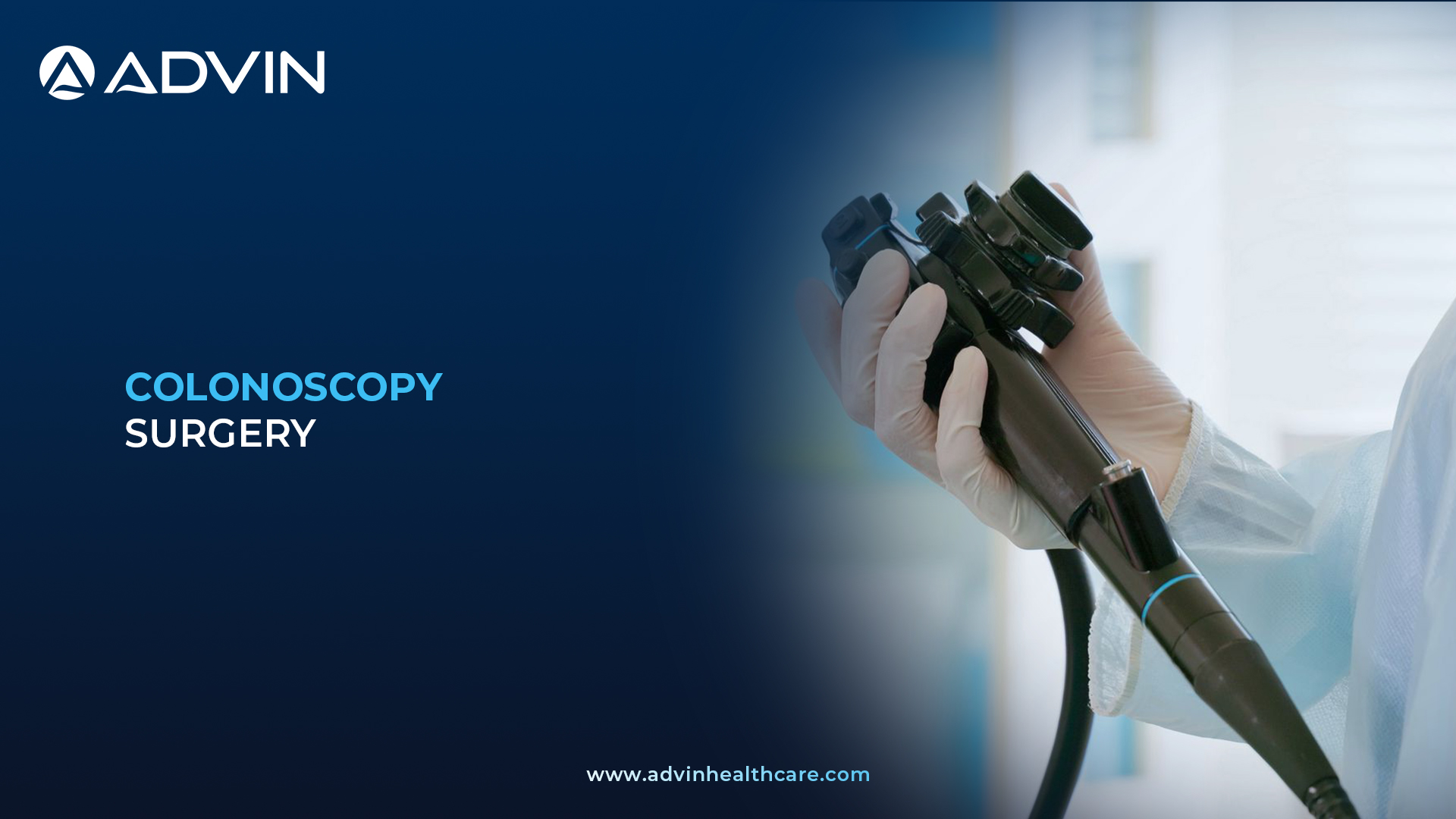
Colonoscopy is a diagnostic procedure that allows doctors to view the inside of the colon using a thin, flexible tube called a colonoscope. It helps detect changes or abnormalities like polyps, ulcers, or cancer. This test is commonly done to investigate symptoms such as abdominal pain, bleeding, or irregular bowel movements.
Colonoscopy Through the Years
Colonoscopy was developed in the 1960s when advances in fiberoptic technology allowed visualization of the colon’s full length. Initially, rigid sigmoidoscopes were used, but they had limited reach and visibility. Over the years, the tools became more flexible and high-definition, improving both diagnosis and comfort. Today, colonoscopy is a standard screening tool for colorectal cancer across the world.
How the Procedure Works: Inside the Colonoscopy Room
During a colonoscopy, the patient lies on their side, usually under mild sedation. A lubricated colonoscope is gently inserted through the rectum and advanced through the colon. The scope has a tiny camera that transmits real-time images to a monitor for the physician to examine. Air or carbon dioxide is pumped in to expand the colon and improve visibility. If abnormal tissue or polyps are found, tools inserted through the scope can be used to remove them or take samples. This procedure not only helps with diagnosis but can also prevent future problems by removing precancerous growths.
Products Related to Colonoscopy
- Colonoscope
- Biopsy Forceps
- Polypectomy Snare
- CO2 Insufflator
- Endoscopic Injection Needle
- Electrosurgical Generator
- Endoscopy LED Light Source
- Suction Irrigation System
- Colonoscope Video Processor
- Endoscope cleaning brush
Top Countries by Colonoscopy Volume
- United States
- Japan
- Germany
- South Korea
- Canada
Why Colonoscopy is Important ?
- Detects early signs of colorectal cancer and saves lives
- Allows direct removal of polyps before they become cancerous
- Identifies sources of gastrointestinal bleeding with precision
- Enables biopsies without the need for surgery
- Improves diagnosis of conditions like Crohn’s disease and ulcerative colitis
Advin Health Care is a leading manufacturer of Colonoscopy-related medical devices and instruments, offering a full range of endoscopy solutions trusted by professionals worldwide.

Angioplasty (PCI) - Minimally Invasive Solution to Heart Artery Blockages
Angioplasty (Percutaneous Coronary Intervention – PCI) Introduction
Angioplasty, also called Percutaneous Coronary Intervention (PCI), is a procedure to open clogged heart arteries. It uses a small balloon to widen the artery and improve blood flow. This surgery is commonly done to treat coronary artery disease.
Restoring Blood Flow with PCI
During PCI, a thin, flexible tube called a catheter is inserted through a blood vessel in the groin or wrist. A tiny balloon at the tip of the catheter is carefully guided to the blocked area of the heart artery. The balloon is then inflated to press the plaque against the artery wall and open up the vessel. In most cases, a small metal mesh tube called a stent is placed in the artery to keep it open. Special tools like fluoroscopy imaging and contrast dye are used to precisely locate the blockage. This surgery helps restore proper blood circulation to the heart muscle.
Why it’s done?
- To treat narrowing or blockages in the coronary arteries caused by atherosclerosis.
- To relieve symptoms of coronary artery disease, such as chest pain (angina) and shortness of breath.
- To minimize heart muscle damage during or after a heart attack.
- To improve blood flow in patients who cannot undergo open-heart surgery.
- To prevent future cardiac events in high-risk individuals.
Products Related to Angioplasty (PCI)
- Coronary Balloon Catheter
- Drug-Eluting Stent (DES)
- Angiographic Catheter
- Guide Wire
- Introducer Sheath
- Inflation Device
- Y Connector Kit
- Contrast Media Injector
- Vascular Closure Device
- Bare Metal Stent (BMS
Top 5 Countries of Angioplasty (PCI)
- United States
- India
- Germany
- China
- Japan
Angioplasty (PCI) Benefits
- Reduces the risk of heart attack in patients with coronary artery disease.
- Provides faster recovery and shorter hospital stay compared to open-heart surgery.
- Improves quality of life by relieving chest pain and other symptoms.
- Increases exercise capacity and physical endurance.
- Enhances blood flow to the heart, improving overall heart function.
Advin Health Care is a leading manufacturer of Angioplasty (PCI) related products, offering reliable and innovative solutions for cardiac interventions.
Fascial Dilator Set - Essential Tool for Safe Percutaneous Tract Formation
Introduction to Fascial Dilator Set: Stepwise Dilation for Safe Percutaneous Access
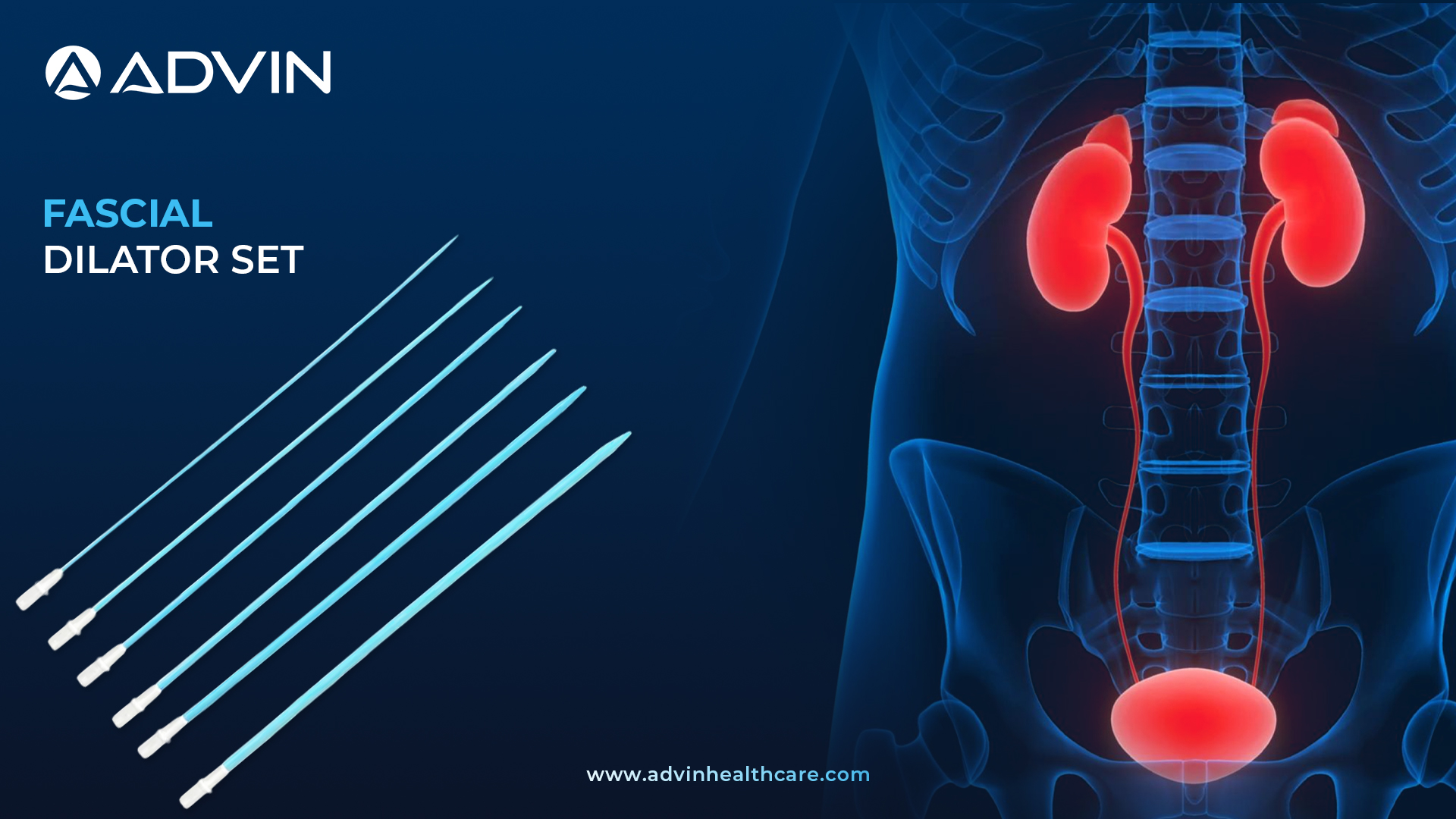
A Fascial Dilator Set is used to gradually enlarge the tract for percutaneous access in urological procedures. It helps in creating a smooth path for instruments like nephroscopes and catheters. The dilators are inserted sequentially over a guidewire to reduce trauma during access.
Evolution of the Fascial Dilator Set – From Basic Tools to Precision-Controlled Instruments
Fascial dilators have been part of percutaneous surgery since the early development of PCNL techniques. Initially, rigid metallic dilators were common, but newer materials and ergonomic designs have improved patient safety and ease of use. Their popularity grew with the advancement of minimally invasive surgeries. Today, fascial dilators are an essential component in access kits used globally.
What is a Fascial Dilator Set? A Comprehensive Overview of Tract Dilation in Urology
Advin Health Care offers a precision-engineered Fascial Dilator Set for safe and controlled tract dilation in urological procedures. These dilators are available in various sizes to match different sheath and catheter requirements. Advin Health Care ensures high-grade medical polymers with smooth surface finishes to minimize tissue trauma. The set is compatible with standard guidewires and sheaths used in PCNL and nephrostomy access. Its tapered tip allows easy insertion and gradual tract expansion with minimal resistance.
Clinical Applications – Used in PCNL, Nephrostomy, and Interventional Radiology Procedures
- Percutaneous Nephrolithotomy (PCNL)
- Nephrostomy Tube Placement
- Percutaneous Renal Access
- Ureteral Stent Placement
- Drainage Catheter Insertion
How to Use a Fascial Dilator Set – Sequential Technique for Minimally Invasive Access
- Insert a guidewire into the target site (renal pelvis or bladder)
- Select the smallest dilator and pass it over the guidewire
- Sequentially introduce larger dilators over the wire
- Monitor dilation under fluoroscopic guidance
- Remove the dilators and insert the access sheath or instrument
Clinical Benefits – Minimizes Trauma, Ensures Accurate Tract Formation, and Supports Guidewire-Based Access
- Gradual dilation minimizes risk of bleeding
- Supports safe placement of access sheaths
- Reduces trauma to surrounding tissues
- Allows controlled and reproducible access
- Enhances efficiency in percutaneous procedures
Also Known As – Sequential Dilator Set, Percutaneous Tract Dilators
Percutaneous Dilator Set, PCNL Fascial Dilators, Urology Tract Dilator Set, Sequential Renal Dilators, Surgical Access Dilator Set, Guidewire-Assisted Dilators, Tract Expansion Kit, Kidney Access Dilators, Fascial Tract Dilators, Nephrostomy Dilator Set
Advin Fascial Dilator Set – Available Sizes, Tapered Design, Sterile Packaging & Material Specifications
- Precision Dilation for Safe and Controlled Access
- Advin Health Care is a leading manufacturer of Fascial Dilator Set, delivering safe, reliable, and high-quality solutions for renal and urological tract access in minimally invasive procedures.
- The Fascial Dilator Set is designed for the gradual and controlled dilation of fascial tissues. It is used to enlarge the fascia surrounding a cavity, tract, or opening in preparation for diagnostic or interventional procedures such as percutaneous nephrostomy or endourological access.
Advanced Features
- Tapered End – Facilitates smooth and controlled insertion
- Smooth Surface – Ensures ease of introduction with minimal tissue trauma
- Radiopaque (With/Without Hydrophilic Coating) – Enhances visibility under fluoroscopy
- Sterile & Single Use – Designed to meet high medical hygiene and safety standards
The Fascial Dilator Set is a reliable tool for urologists and interventional radiologists, ensuring safe tract access and minimized procedural risk.
Disposable Gown
Disposable Gown
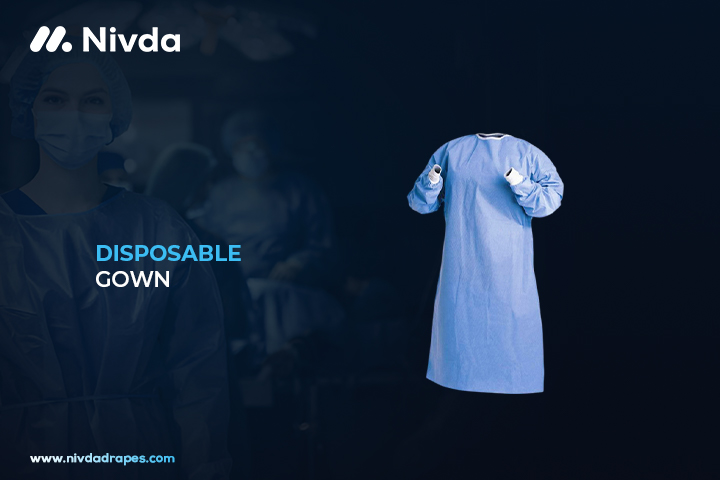
A Disposable Gown is a single-use protective garment worn by healthcare workers during medical procedures. It acts as a barrier against fluids, microorganisms, and contaminants. These gowns help maintain a sterile environment in hospitals and clinics.
Product History
Disposable gowns became widely used in the mid-20th century as infection control practices improved. Initially, reusable cotton gowns were standard, but concerns over cross-contamination led to single-use designs. Nivda Drapes and other manufacturers enhanced fabric quality, comfort, and protective capabilities. Today, they are an essential hospital disposable worldwide.
Disposable Gown – Fluid-Resistant Coverage for Patient and Staff Safety
Disposable Gowns from Nivda Drapes are designed to provide maximum protection during surgeries and clinical work. Nivda Drapes ensures these gowns meet global safety standards, offering excellent fluid resistance and breathability. They are lightweight yet durable, reducing fatigue during long procedures. The gowns are available in different sizes and styles to suit varied medical needs. Their use reduces the risk of infection and improves overall hygiene in healthcare facilities.
Surgical Uses of Disposable Gowns
- General Surgery
- Orthopedic Surgery
- Cardiac Surgery
- Gynecological Surgery
- Neurosurgery
- Urological Surgery
- ENT Procedures
- Plastic Surgery
How to Wear a Disposable Gown
- Open the sterile pack in a clean environment
- Hold the gown from the inside and slide arms through the sleeves
- Secure the gown at the back using the provided ties or Velcro
- Dispose of after single use in a medical waste bin
Benefits of Disposable Gowns
- Prevents cross-contamination between patient and medical staff
- Offers strong fluid and pathogen resistance
- Improves hygiene in surgical and clinical environments
- Lightweight design for user comfort
- Reduces laundry and sterilization costs compared to reusable gowns
Other Terms for Medical Gowns
Surgical Gown Disposable, Single-Use Surgical Gown, Non-Woven Surgical Gown, Disposable Medical Gown, Sterile Disposable Gown, Protective Disposable Gown, Hospital Disposable Gown
Market Demand and Global Trends
The demand for disposable gowns has risen significantly due to stricter infection control measures in healthcare. Increased surgical procedures and heightened awareness during pandemics have boosted their global usage. Nivda Drapes meets these needs with gowns that balance protection, comfort, and cost-effectiveness. Many hospitals are shifting from reusable to disposable options to comply with updated hygiene regulations.
Nivda Disposable Gown Description
Nivda Drapes is a leading manufacturer of Disposable Gowns, providing high-quality protective garments that ensure safety, comfort, and hygiene in healthcare environments.
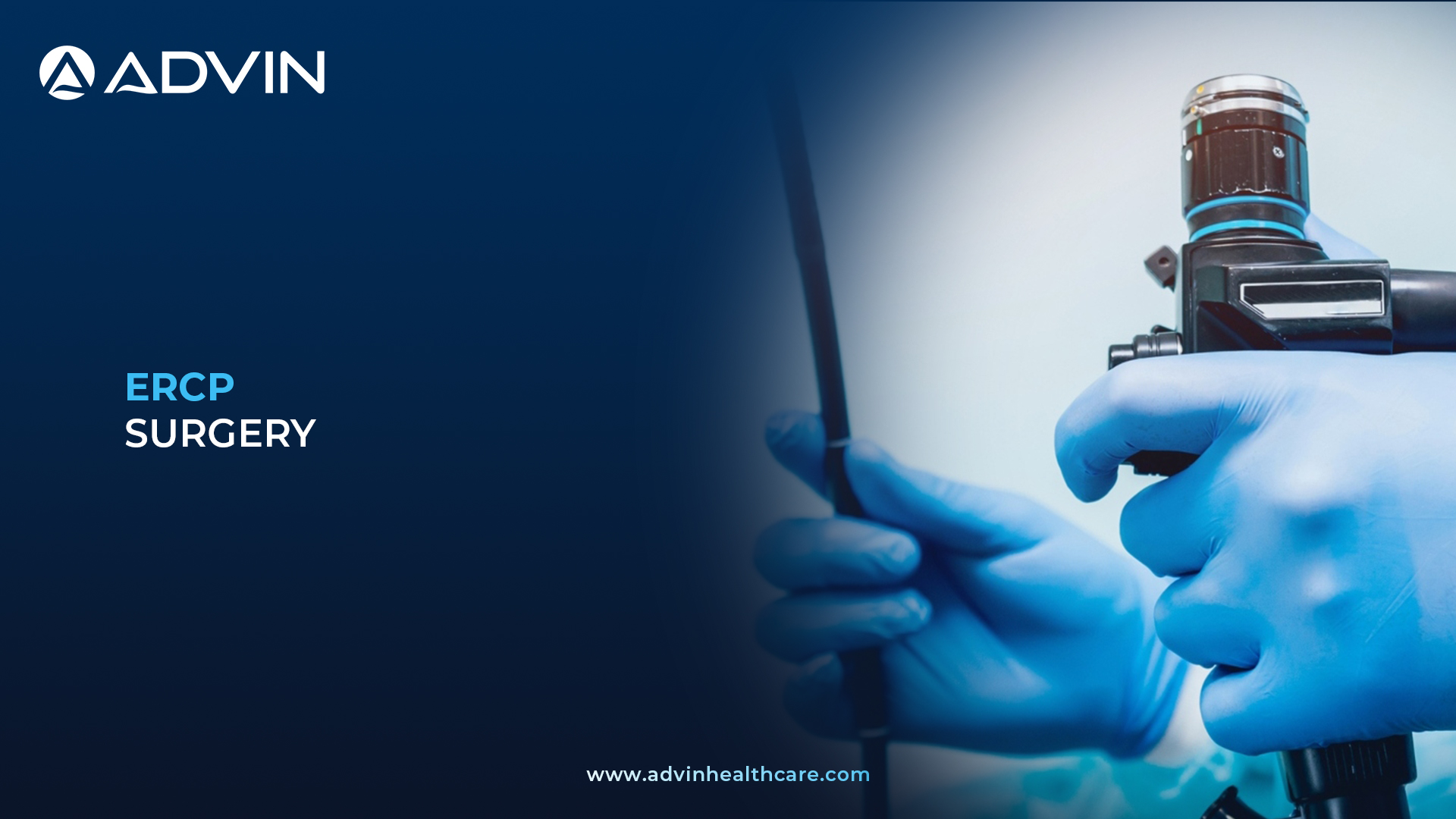
ERCP Surgery - A Complete Guide to Biliary and Pancreatic Access
ERCP – A Gateway to Biliary & Pancreatic Diagnosis
Endoscopic Retrograde Cholangiopancreatography (ERCP) is a combined endoscopic and imaging procedure used to diagnose and treat problems in the bile ducts and pancreatic ducts. It involves using a flexible endoscope and contrast dye to visualize the ducts under X-ray. ERCP helps identify blockages, stones, strictures, or tumors in the biliary or pancreatic system.
ERCP Surgery History
ERCP was first introduced in the late 1960s as a diagnostic imaging tool for the biliary system. With the advancement of endoscopic accessories, it evolved into a therapeutic procedure by the 1970s. Innovations like balloon dilators, stone retrieval devices, and stents expanded its treatment potential. Today, ERCP is a key intervention in managing biliary and pancreatic disorders worldwide.
Step-by-Step – How ERCP Is Performed
The procedure begins with the patient under conscious sedation or anesthesia. A duodenoscope is inserted through the mouth, guided through the stomach to the duodenum. Once the papilla is located, a cannula is inserted to access the bile or pancreatic duct. A contrast dye is injected to allow X-ray imaging of the ductal system. If needed, therapeutic devices are used to remove stones, place stents, or widen narrowed ducts. ERCP combines imaging and intervention in one session, offering both diagnosis and immediate treatment.
Essential Tools Behind Every ERCP
- Duodenoscope
- ERCP Catheter
- Guide Wire
- Biliary Stent
- Sphincterotome
- Stone Extraction Basket
- Balloon Dilator
- Injection Needle
- Biliary Metal Stent
- Contrast Media Injector
Top Countries Advancing ERCP Practice
- United States
- Japan
- Germany
- South Korea
- France
When Is ERCP Recommended?
- Suspected bile duct obstruction
- Jaundice due to stone or tumor
- Abnormal liver function tests
- Recurrent pancreatitis
- Evaluation of biliary leaks or strictures
Why ERCP Matters in Modern Medicine
- Provides both diagnosis and treatment in a single procedure
- Removes bile duct and pancreatic duct stones without open surgery
- Offers relief from jaundice by bypassing blocked bile ducts
- Enables accurate biopsy sampling for cancer diagnosis
- Reduces hospital stays compared to traditional surgical options
Advin Health Care is a leading manufacturer of ERCP-related medical products, offering innovative and precise tools for endoscopic biliary and pancreatic procedures.
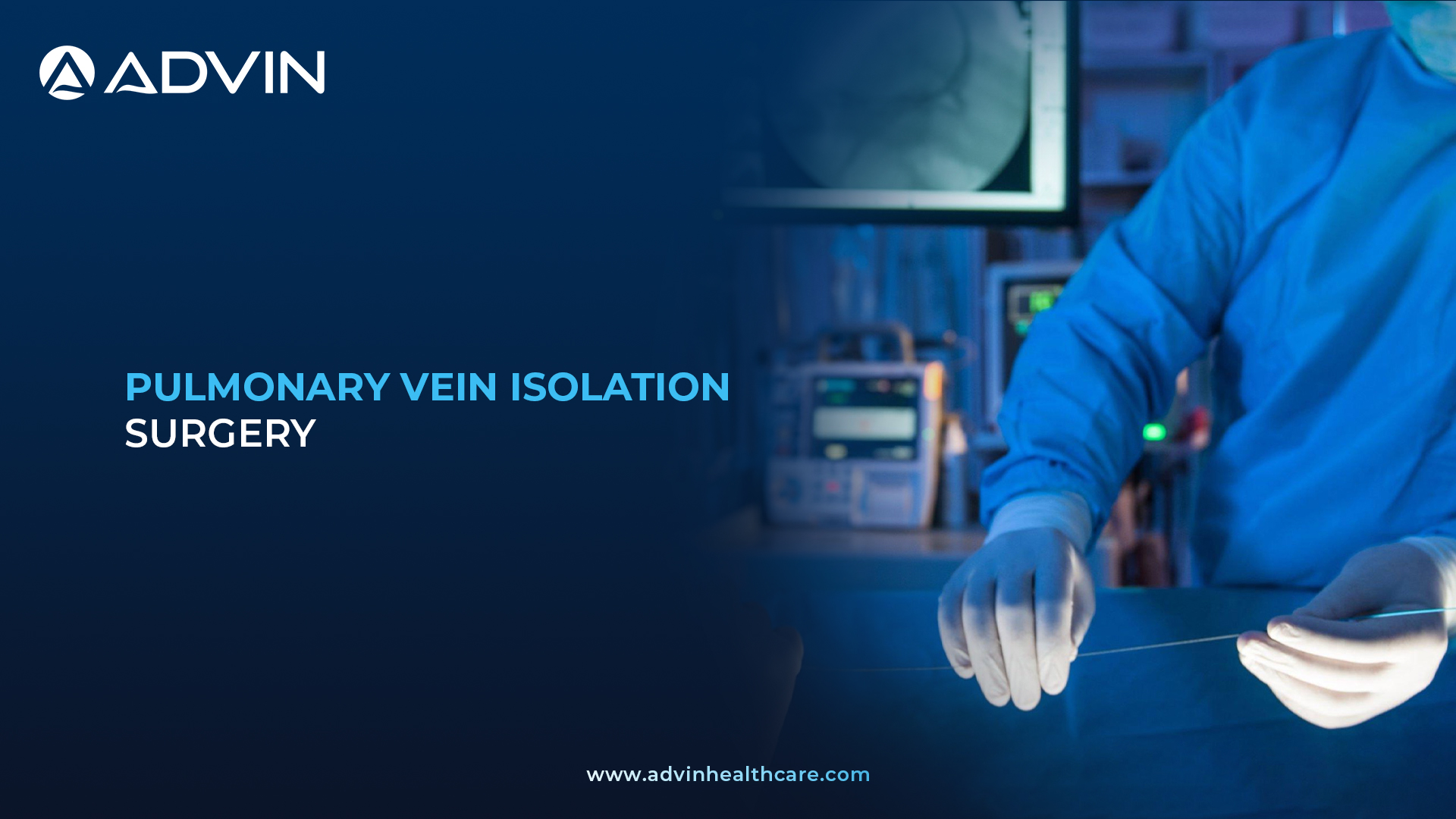
Innovative Cardiac Care - Pulmonary Vein Isolation (PVI) Procedure
Pulmonary Vein Isolation (PVI) Introduction
Pulmonary Vein Isolation (PVI) is a minimally invasive procedure used to treat atrial fibrillation, a type of irregular heartbeat. It involves blocking faulty electrical signals coming from the pulmonary veins in the heart. The goal is to restore a normal heart rhythm and reduce symptoms like palpitations or fatigue.
Targeted Energy for Rhythm Control: How PVI Works
Pulmonary Vein Isolation is performed using a catheter inserted through a vein in the groin and guided to the left atrium of the heart. Doctors use either radiofrequency energy or cryotherapy to create controlled scars around the openings of the pulmonary veins. These scars block abnormal electrical signals that trigger atrial fibrillation. Specialized tools like 3D mapping systems and intracardiac ultrasound are used to ensure precise ablation. The entire procedure typically takes 2–4 hours and is done under conscious sedation or general anesthesia. PVI helps improve the heart’s electrical stability and reduces the risk of stroke in many patients.
Why it’s done?
- To treat patients with symptomatic atrial fibrillation that does not respond to medications.
- To prevent recurrence of AFib in patients with paroxysmal (intermittent) or persistent atrial fibrillation.
- To lower the risk of stroke and heart failure caused by chronic irregular heart rhythms.
- To improve quality of life by reducing heart palpitations, dizziness, and fatigue.
Products Related to Pulmonary Vein Isolation (PVI)
- Transseptal Access Kit
- Introducer Sheath
- 3D Electroanatomic Mapping System
- RF Ablation Catheter
- Steerable Sheath
- Intracardiac Echocardiography (ICE) Catheter
- Circular Mapping Catheter
- Heparin Syringes
- Cryoballoon Catheter
- Cardiac Stimulator System
Top 5 Countries of Pulmonary Vein Isolation (PVI)
- United States
- Germany
- Japan
- United Kingdom
- Canada
Pulmonary Vein Isolation (PVI) Benefits
- Reduces or eliminates atrial fibrillation episodes in many patients.
- Lowers long-term dependence on antiarrhythmic medications.
- Decreases the risk of stroke associated with untreated AFib.
- Improves heart function, especially in patients with reduced ejection fraction.
- Enhances overall physical endurance and daily functioning.
Advin Health Care is a leading manufacturer of Pulmonary Vein Isolation (PVI) related products, offering high-quality tools essential for successful ablation procedures.
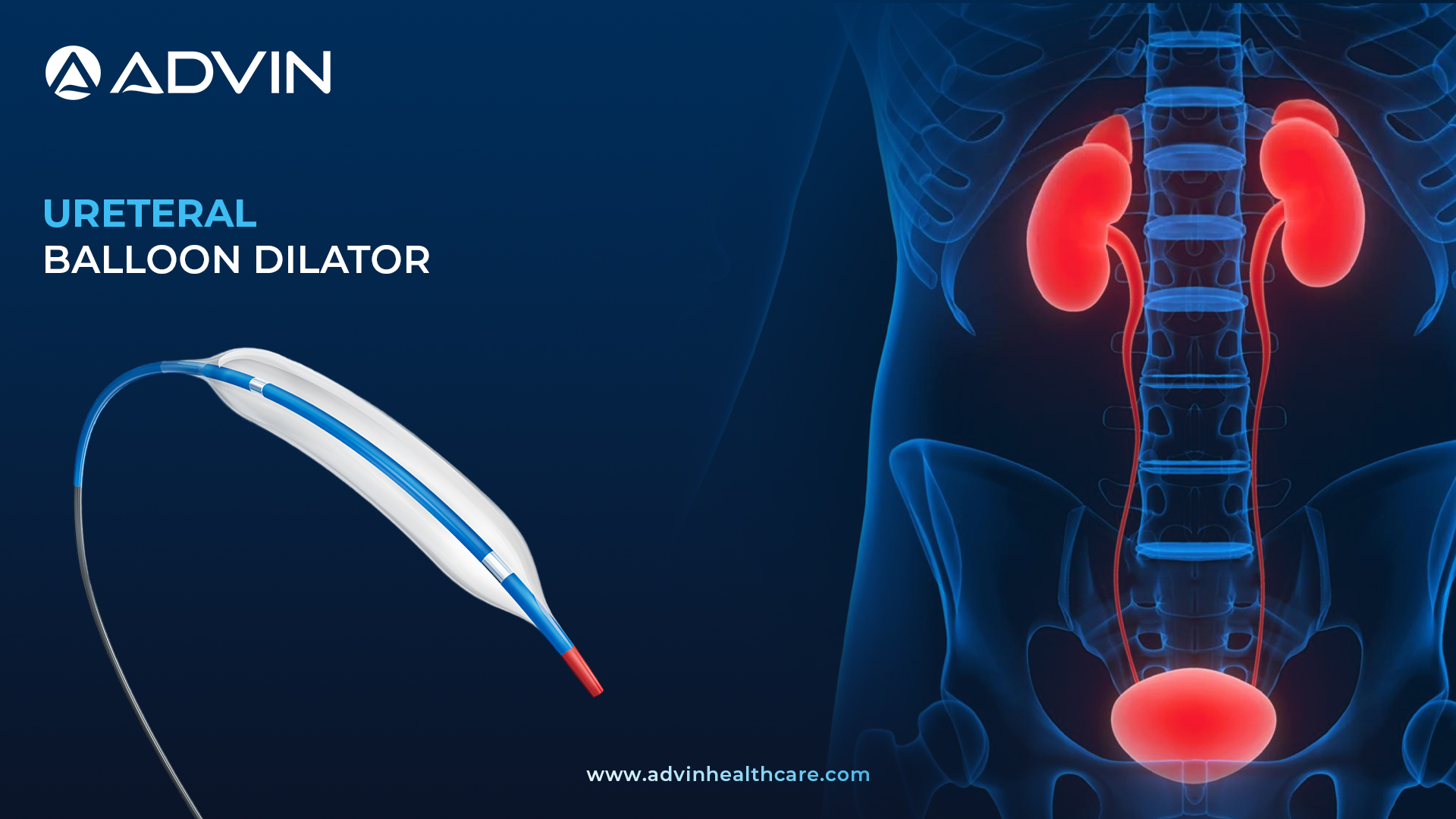
Ureteral Balloon Dilator - Precise Dilation for Ureteral Stricture Management
Introduction to Ureteral Balloon Dilator: Precision Dilation for Ureteral Strictures and Access
The Ureteral Balloon Dilator is a medical device used to dilate narrowed areas in the ureter. It helps improve access for endoscopic instruments or stent placement during urological procedures. The balloon is inflated at the target site to gently expand the ureter.
Development and Evolution of the Ureteral Balloon Dilator: Enhancing Endourological Efficiency
Ureteral balloon dilators were introduced in the 1990s as a safer alternative to mechanical dilators. They gained popularity due to their ability to provide uniform radial force, reducing ureteral injury. Over time, their design has evolved with high-pressure, radiopaque, and hydrophilic-coated variants. These improvements have increased precision and patient safety in endourology.
What is a Ureteral Balloon Dilator? A Clinical Overview of Its Role in Ureteral Expansion
Advin Health Care offers Ureteral Balloon Dilators designed for controlled and effective ureteral dilation. These dilators help urologists gain access to the upper urinary tract with minimal trauma. Advin Health Care manufactures them with features like radiopaque markers and a low-profile tip for better placement and visibility. The balloon ensures even expansion and is compatible with standard guidewires. Its design supports both pre-stenting and therapeutic dilation needs.
Surgical Applications: Used in RIRS, Stricture Management, and Stent Placement
- Ureteral Stricture Dilation
- Ureteroscopy Preparation
- Stent Placement Procedure
- Stone Retrieval Access
- Balloon Dilatation Prior to RIRS
How to Use a Ureteral Balloon Dilator: Step-by-Step Guide for Safe and Effective Dilation
- Insert a guidewire into the ureteral passage
- Advance the balloon dilator over the guidewire to the target site
- Confirm placement using fluoroscopy
- Inflate the balloon gradually using a pressure syringe or inflation device
- Deflate and remove the balloon once dilation is complete
Global Market Trends: Rising Use with Advancements in Minimally Invasive Urology
The global demand for Ureteral Balloon Dilators is rising due to the increasing incidence of ureteral strictures and minimally invasive treatments. Hospitals are shifting from rigid mechanical dilation to balloon-based systems for better control and patient safety. Single-use balloon dilators are trending due to infection control protocols. Markets in Asia and South America are rapidly adopting these devices as access to urological care expands.
Also Known As – Ureteral Dilating Balloon Catheter, Ureteroplasty Balloon
Ureter Balloon Dilator, Urological Balloon Expander, Endourology Dilation Balloon, Ureteral Dilatation Catheter, Ureteral Stricture Balloon, High Pressure Ureteral Balloon, Ureteral Access Dilator, Balloon Catheter for Urology, Kidney Stone Balloon Dilator, Fluoro-guided Balloon Dilator
Advin Ureteral Balloon Dilator: Available Lengths, Balloon Diameters, Pressure Ratings & Material Specs
- Precision Dilation for Ureteral Access and Stone Management
- Advin Health Care is a trusted manufacturer of Ureteral Balloon Dilator, offering advanced dilation technology with high performance, safety, and precision for modern urological procedures.
- The Ureteral Balloon Dilator is designed for controlled and effective dilation of the ureter prior to ureteroscopic procedures, stone manipulation, or accessing the intramural ureter. Its high-quality construction and precise balloon placement help ensure safe and efficient ureteral expansion.
Advanced Features
- Manufactured from High-Grade Medical Material – Ensures strength and flexibility
- Radiopaque Markers – Clearly indicate the proximal and distal ends of the balloon for accurate fluoroscopic placement
- Tapered Distal Tip – Allows close and safe approach to the ureteral stone
- Sterile & Single-Use – Reduces infection risk and ensures patient safety
- Short Balloon Length – Ideal for targeted dilation of the intramural ureter
The Ureteral Balloon Dilator is a key tool in modern urology for enhancing access and visibility during stone retrieval and other ureteral procedures.
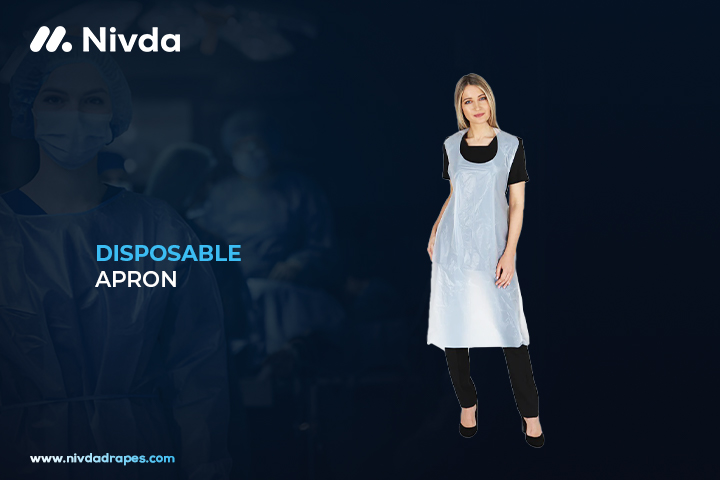
Plastic Apron
Plastic Apron
A Plastic Apron is a single-use protective garment worn to shield the body and clothing from spills, splashes, and contaminants. It is lightweight, waterproof, and easy to dispose of after use. These aprons are commonly used in hospitals, laboratories, and food service areas to maintain hygiene.
Product History
Plastic aprons became popular in the late 20th century as disposable protective gear gained acceptance in hygiene-critical industries. Initially used in food handling, their use quickly expanded to healthcare to reduce cross-contamination. Manufacturers like Nivda Drapes improved their strength, comfort, and waterproof qualities. Today, they are standard in many hospital departments and emergency response units.
Plastic Apron – High-Quality Aprons for Multipurpose Protection
Plastic Aprons from Nivda Drapes are designed for superior protection against fluids and contaminants. Nivda Drapes ensures these aprons are made from high-quality, waterproof materials for maximum hygiene. They are quick to put on, comfortable to wear, and easy to dispose of after use. Ideal for both short and extended procedures, they reduce the risk of clothing contamination. Their use also helps in maintaining strict infection control standards in hospitals and clinics.
Surgeries Related to Product
- Minor Surgical Procedures
- Wound Dressing Changes
- Endoscopy Procedures
- Dental Surgeries
- Emergency Care Procedures
- Bedside Medical Examinations
How to Wear a Plastic Apron
- Open the apron pack in a clean environment
- Place the neck loop over your head
- Tie the waist straps securely at the back
- Dispose of in a medical waste bin after use
Global Leaders in Medical Apron Consumption
- India
- United States
- China
- Brazil
- Germany
- Japan
- Russia
- United Kingdom
- Turkey
- South Africa
Product Also Known As
Disposable Plastic Apron, Waterproof Apron, Single-Use Plastic Apron, Medical Plastic Apron, Hospital Disposable Apron, Fluid-Resistant Apron, Non-Woven Plastic Apron
Related Disposable Protective Items
- Surgical Gloves
- Face Masks
- Head Caps
- Shoe Covers
- Surgical Drapes
- Disposable Gowns
Market Demand and Global Trends
Plastic aprons are in high demand due to their role in infection control across healthcare, food handling, and laboratory environments. Increased awareness of hygiene following global health crises has boosted their usage. Nivda Drapes produces aprons that combine durability, comfort, and affordability to meet diverse industry needs. The market is expected to grow steadily as disposable protective gear becomes a standard requirement worldwide.
About Nivda Plastic Apron
Nivda Drapes is a leading manufacturer of Plastic Aprons, delivering high-quality, waterproof protective wear that ensures hygiene and safety in medical and professional environments.
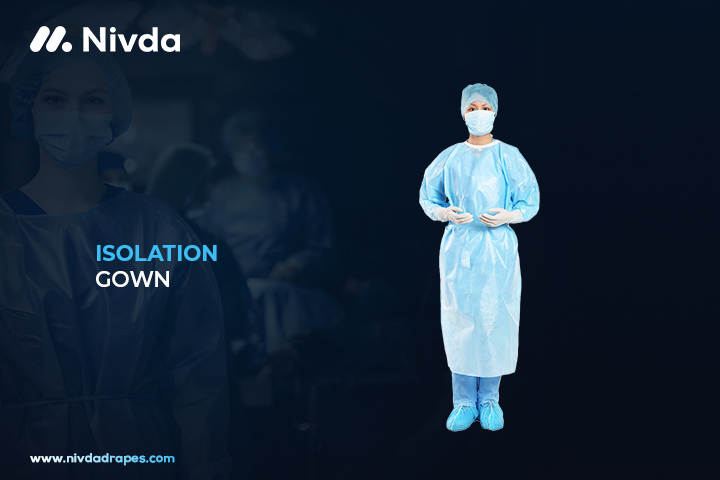
Isolation Gown
Isolation Gown
An Isolation Gown is a protective garment worn to prevent the spread of infections and maintain hygiene in medical environments. It is typically made from fluid-resistant or impermeable materials to block contaminants. These gowns are widely used by healthcare professionals during patient care and medical procedures.
Product History
Isolation gowns were introduced in hospitals to improve infection control during outbreaks and high-risk procedures. Their use increased significantly in the late 20th century, especially in intensive care and infectious disease wards. Manufacturers like Nivda Drapes enhanced their design to be more comfortable and breathable while maintaining high protection. Today, they are essential for preventing cross-contamination in healthcare settings worldwide.
Isolation Gown – Comfortable and Secure Coverage for Medical Use
Isolation Gowns from Nivda Drapes are designed for superior infection control in clinical settings. Nivda Drapes ensures each gown offers optimal coverage, durability, and comfort for healthcare professionals. They are fluid-resistant, easy to wear, and help maintain a sterile working environment. Ideal for patient care, lab work, and emergency response, they reduce the risk of spreading infections. These gowns are a cost-effective solution for maintaining hospital hygiene standards.
Surgical Uses of Isolation Gown
- Minor Surgical Procedures
- Emergency Care Treatments
- Infectious Disease Management
- Dental Surgeries
- Wound Dressing Changes
- Endoscopy Procedures
Step-by-Step Guide for Isolation Gown Use
- Unpack the gown in a clean area
- Slip arms into sleeves
- Secure the neck and waist ties
- Ensure full coverage of clothing
- Dispose of in a designated medical waste bin after use
Top Regions for Protective Gown Demand
- India
- United States
- China
- Brazil
- Germany
- Japan
- Russia
- United Kingdom
- Turkey
- South Africa
Clinical Advantages of Protective Gown
- Provides a barrier against fluids and infectious agents
- Reduces cross-contamination between patients and staff
- Maintains sterile conditions during procedures
- Comfortable for extended wear
- Easy to dispose of for infection control
Products Commonly Used with Isolation Gown
- Surgical Gloves
- Face Masks
- Face Shields
- Head Caps
- Shoe Covers
- Surgical Drapes
Global Demand for Isolation Gown
The demand for isolation gowns has grown rapidly due to rising awareness of infection control in hospitals, clinics, and laboratories. Recent global health events have significantly increased their usage across all healthcare sectors. Nivda Drapes produces gowns that balance protection, comfort, and cost-effectiveness. The market trend shows continuous growth as safety protocols become stricter worldwide.
Why Choose Nivda Isolation Gown
Nivda Drapes is a leading manufacturer of Isolation Gowns, offering high-quality protective wear designed to maintain hygiene and safety in healthcare environments.
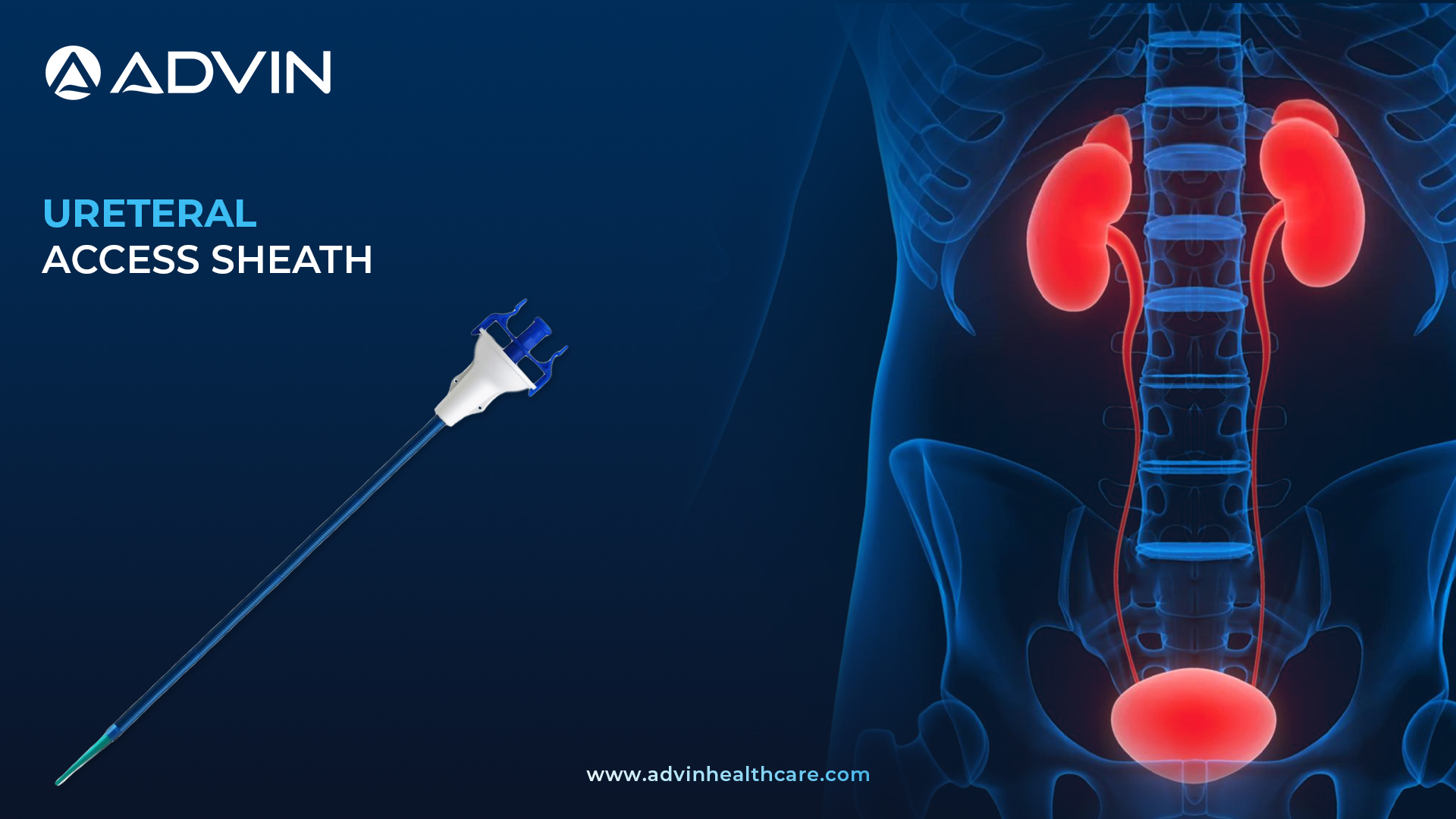
Ureteral Access Sheath - Smooth and Safe Access for Urological Procedures
Introduction to Ureteral Access Sheath: Optimizing Ureteroscopy and Stone Management
A Ureteral Access Sheath is a specialized device used during ureteroscopic and retrograde intrarenal surgeries. It provides a continuous access channel to the ureter and kidney, allowing safe passage of flexible instruments. This sheath helps reduce trauma and maintains consistent dilation throughout the procedure.
Development and Evolution of the Ureteral Access Sheath: From Basic Entry to Advanced Navigation
Ureteral Access Sheaths were developed to enhance the safety and efficiency of ureteroscopy. They became widely adopted in the 2000s as flexible ureteroscopes gained popularity. Initially available in limited sizes, modern sheaths now come with hydrophilic coatings and radiopaque markers for precision. Their evolution has significantly improved outcomes in endourology.
What is a Ureteral Access Sheath? A Clinical Overview of This Urological Essential
Advin Health Care provides high-quality Ureteral Access Sheaths designed to optimize ureteroscopic procedures. These sheaths feature a tapered dilator and hydrophilic coating, enabling smooth insertion and minimal trauma. Advin Health Care manufactures this device with a transparent tip and platinum ring for improved fluoroscopic visibility. It allows repeated passage of endoscopic instruments without compromising the ureter. The sheath supports better irrigation flow and reduces intrarenal pressure during complex stone removal procedures.
Surgical Applications: Used in RIRS, URS, and Flexible Ureteroscopy for Smooth Access
- Retrograde Intrarenal Surgery (RIRS)
- Ureteroscopic Stone Removal
- Ureteral Stent Placement
- Biopsy of Upper Urinary Tract
- Treatment of Upper Tract Urothelial Carcinoma
How to Use a Ureteral Access Sheath: Technique for Safe and Repeated Scope Passage
- Lubricate the sheath and dilator properly
- Insert the dilator-sheath assembly into the ureter over a guidewire
- Advance gently under fluoroscopic guidance
- Once positioned, remove the inner dilator, leaving the sheath in place
- Proceed with flexible scope or instrument insertion through the sheath
Clinical Benefits: Reduces Intrarenal Pressure, Facilitates Stone Retrieval, and Protects the Ureter
- Allows multiple instrument exchanges without ureteral trauma
- Reduces risk of intrarenal pressure buildup
- Enhances irrigation and visualization during procedures
- Minimizes operative time and improves patient outcomes
- Hydrophilic coating eases insertion and navigation
- Radiopaque markers provide accurate placement under imaging
Also Known As: Ureteral Introducer, Flexible Ureteroscope Access Sheath
Urology Access Sheath, RIRS Sheath, Flexible Ureteroscopy Access Sheath, Hydrophilic Ureteral Sheath, Ureteral Working Channel, Renal Access Sheath, Endourology Access Sheath, Ureteroscopic Access Channel, Retrograde Sheath, Flexible Scope Access Sheath
Advin Ureteral Access Sheath: Sizes, Length Options, Radiopaque Markings, and Hydrophilic Coating Details
- Facilitating Easy and Safe Access During Ureteroscopy & RIRS Procedures
- Advin Health Care is a leading manufacturer of Ureteral Access Sheath, offering advanced designs with optimal safety, easy insertion, and superior endoscopic compatibility for efficient urological procedures.
- The Ureteral Access Sheath is specifically designed to assist in ureteral dilation and establish a reliable working channel for the repeated passage of flexible ureteroscopes, instruments, or laser fibers during Retrograde Intrarenal Surgery (RIRS) and other ureteroscopic procedures.
- Available with or without a hydrophilic coating, this sheath ensures smoother insertion and reduced trauma to the ureter, enhancing procedural efficiency and patient safety.
Advanced Features
- Transparent Distal Tip – Enhances visualization during insertion
- Platinum Radiopaque Marker Ring – Ensures accurate placement under fluoroscopy
- Tapered Dilator – Facilitates smooth ureteral entry with minimal resistance
- Hydrophilic Coating (Optional) – Minimizes friction, eases insertion, and reduces mucosal damage
- Flexible, Kink-Resistant Sheath – Supports repeated instrument exchanges without compromising ureteral access
The Ureteral Access Sheath is an essential device in modern endourological procedures, providing a balance of safety, access, and control for urologists.