


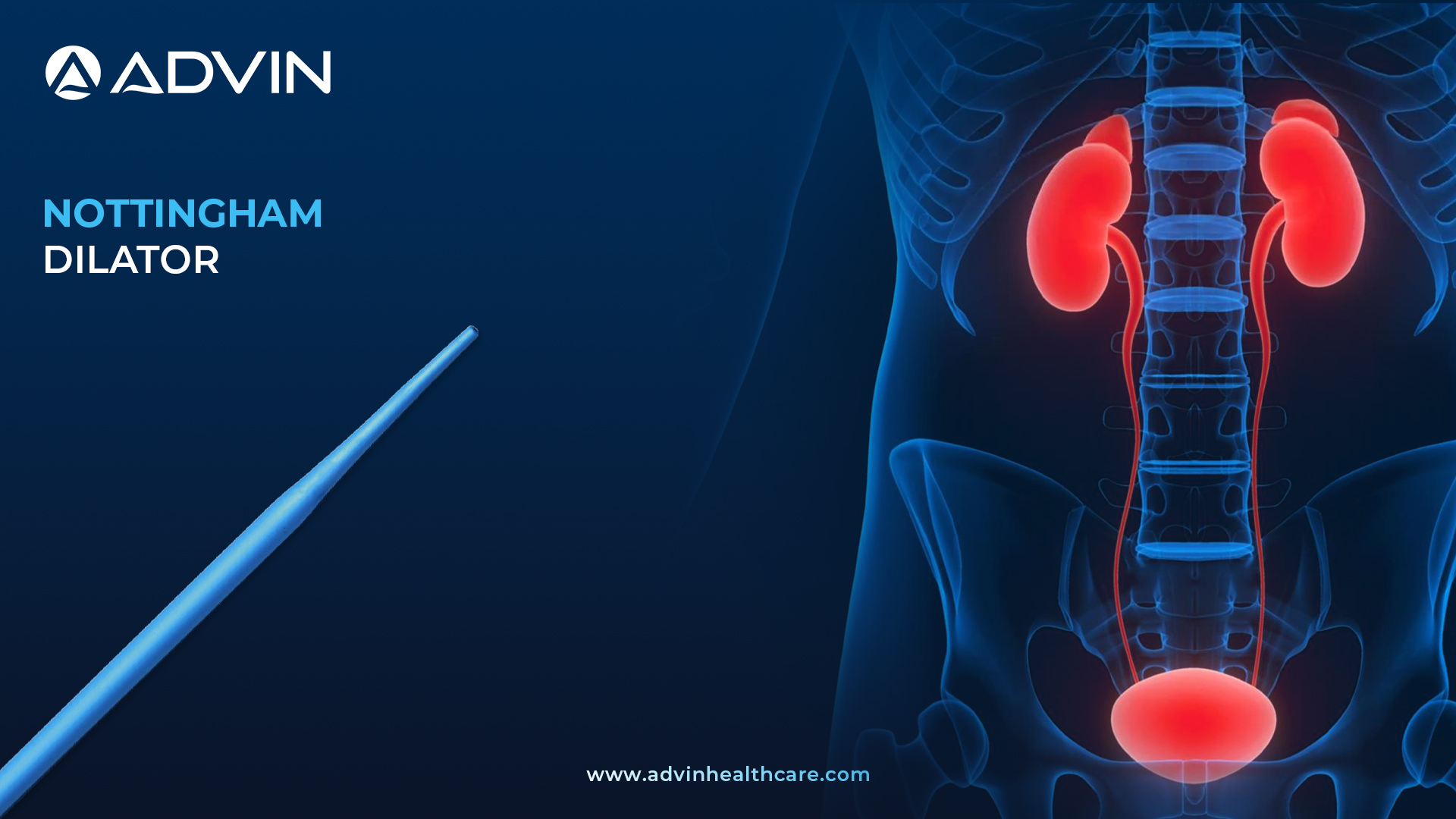
Nottingham Dilator - Specialized Tool for Progressive Urethral Dilation
Introduction to Nottingham Dilator: Specialized Tool for Urethral Stricture Management
The Nottingham Dilator is a specialized medical instrument used to gradually enlarge narrow areas of the urethra. It is commonly used in urological procedures to treat urethral strictures. Its smooth, tapered design allows safe and gentle dilation without causing trauma.
The Evolution of the Nottingham Dilator: A Trusted Instrument in Urethral Dilation Procedures
The Nottingham Dilator was developed as a more controlled and comfortable alternative to traditional metal sounds and dilators. It is widely used by urologists to treat urethral strictures non-surgically. Over time, its design has improved to include ergonomic grips and smoother finishes. The tool is now available in reusable and sterile disposable forms.
What is a Nottingham Dilator? Overview of Its Design, Use, and Clinical Relevance
Advin Health Care offers Nottingham Dilators that are precisely engineered for gentle and effective urethral dilation. These dilators are made from high-grade medical materials with a smooth, tapered body to minimize discomfort. Advin Health Care ensures a consistent design for safety and ease of use in both inpatient and outpatient settings. Nottingham Dilators are especially useful in treating male urethral strictures. They provide gradual and controlled expansion of the urethra to restore normal urine flow.
Surgical Applications: Effective in Progressive Urethral Dilatation and Stricture Treatment
- Urethral Stricture Dilation
- Cystoscopy Preparation
- Endoscopic Urological Procedures
- Urethral Calibration
How to Use a Nottingham Dilator: Stepwise Approach for Gentle and Controlled Dilation
- Sterilize the dilator before use
- Apply sterile lubricant on the dilator
- Gently insert the dilator into the urethra
- Leave in place for a few seconds
- Remove slowly and clean after the procedure
Clinical Benefits: Smooth Tapered Design, Reduced Patient Discomfort, Reliable Outcomes
- Provides non-surgical treatment for urethral strictures
- Reduces discomfort with smooth, tapered design
- Helps avoid more invasive surgical interventions
- Suitable for outpatient use under local supervision
- Minimizes urethral trauma during dilation
Also Known As: Urethral Sound Dilator, Progressive Urethral Dilator
Urethral Dilator, Nottingham Urethral Dilator, Urethral Stricture Dilator, Male Urethral Dilator, Tapered Dilator for Urethra, Nottingham Sound, Non-Surgical Stricture Dilator, Progressive Urethral Dilator, Smooth Urethral Dilator, Urology Nottingham Instrument
Advin Nottingham Dilator: Material, Size Range, Reusability, and Packaging Specifications
- One-Step Ureteral and Intramural Tunnel Dilation
- Advin Health Care is a leading manufacturer of Nottingham Dilator, providing high-quality instruments designed for safe, controlled urethral dilation in urological procedures.
- The Nottingham Dilator is a specialized urological instrument designed to dilate the intramural ureter and tunnel in a single step. It can also be used for contrast media injection to assess submucosal tunneling or for delivering anesthetic jelly to assist in the dislodgement of ureteral stones during endoscopic procedures.
Advanced Features
- Single-Use Device – Ensures sterility and reduces the risk of cross-contamination
- Smooth Surface Finish – Allows for easy insertion and minimizes trauma
- Compatible with 0.038″ Guide Wire – Ensures accurate placement and controlled dilation
The Nottingham Dilator streamlines procedural efficiency by combining dilation and injection capabilities into one versatile tool.

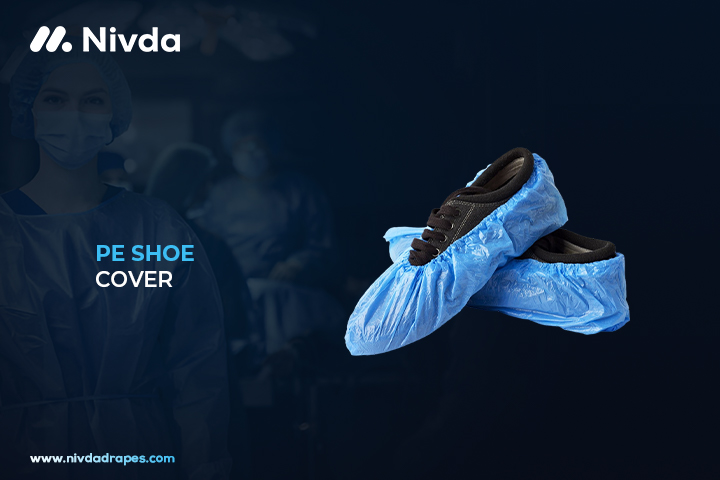
PE Shoe Covers
PE Shoe Covers
PE Shoe Covers are disposable footwear covers made from polyethylene material. They protect sterile environments by preventing dirt, fluids, and contaminants from shoes. These covers are waterproof, lightweight, and widely used in hospitals and cleanrooms.
Product History
Shoe covers have been used for decades to maintain sterile conditions in hospitals and laboratories. Earlier, fabric or non-woven covers were common, but they absorbed moisture and were less resistant to fluids. With advancements in polyethylene technology, PE Shoe Covers gained popularity due to their waterproof and cost-effective properties. Today, they are a global standard for protecting sensitive medical and industrial environments.
PE Shoe Covers – Easy-to-Wear Covers for Hospitals and Laboratories
PE Shoe Covers by Nivda Drapes are manufactured from high-quality polyethylene, ensuring excellent waterproof protection. Nivda Drapes designs these covers to resist fluids and maintain hygiene in operation theatres and labs. They are lightweight, durable, and easy to wear, making them ideal for high-traffic hospital areas. The anti-slip surface provides safe movement on wet or polished floors. These covers are widely preferred for their affordability and protective performance.
Surgical Uses of PE Shoe Covers
- General Surgery
- Cardiac Surgery
- Orthopedic Procedures
- Urology Surgeries
- Gynecology Surgeries
- Neurosurgery
- ENT Surgeries
- Minor Outpatient Procedures
How to Wear PE Shoe Covers
- Open the sterile pack in a clean area
- Place one foot inside the PE shoe cover
- Pull the elastic opening over the shoe for a secure fit
- Ensure complete coverage of footwear
- Discard after single use in a medical waste bin
Benefits of PE Shoe Covers
- Provides waterproof protection against spills and fluids
- Prevents contamination of sterile environments
- Lightweight and comfortable for extended wear
- Cost-effective solution for hospitals and labs
- Ensures safety with slip-resistant design
Frequently Used Product Combination
- Disposable Bouffant Cap
- Isolation Gown
- Face Mask
- Latex/Nitrile Examination Gloves
- Non Woven Trolley Sheet
- Surgical Drapes
- Plastic Apron
Market Demand and Global Trends
The global market for PE Shoe Covers is growing due to their waterproof protection and low cost compared to non-woven covers. Hospitals, laboratories, and cleanrooms prefer them for areas with higher fluid exposure. The trend shows rising adoption in pharmaceutical and food industries as well. Nivda Drapes continues to provide durable, high-quality PE Shoe Covers to meet the increasing global demand.
Nivda PE Shoe Cover Description
Nivda Drapes is a leading manufacturer of PE Shoe Covers, offering waterproof, durable, and affordable protection for hospitals, laboratories, and cleanroom environments.
Understanding Gastrojejunostomy - A Surgical Bypass for Gastric Obstruction
Simplifying the Gastrojejunostomy Concept
Gastrojejunostomy is a surgical procedure that connects the stomach to the jejunum, a part of the small intestine. It is done to bypass a blocked or damaged part of the stomach or duodenum. This surgery helps improve digestion when the normal route is obstructed.
Bypassing Barriers – How Gastrojejunostomy is performed
Gastrojejunostomy is usually performed through open or laparoscopic surgery. A new connection (anastomosis) is made between the stomach and the jejunum, allowing food to pass directly into the mid-small intestine. This helps bypass tumors, ulcers, or other obstructions in the stomach or duodenum. Laparoscopic methods use trocars, graspers, electrosurgical units, and endoscopic staplers. Surgical sutures or staplers secure the new opening to prevent leaks. This procedure relieves symptoms like vomiting, nausea, and severe pain caused by gastric outlet obstruction.
When is Gastrojejunostomy Necessary?
- Gastric outlet obstruction due to stomach or duodenal cancer
- Chronic peptic ulcers causing narrowing of the duodenum
- Benign gastric strictures or scarring
- Palliative care for unresectable gastrointestinal malignancies
Key Devices in the Procedure
- Nasogastric Tube (NG Tube)
- Feeding Jejunostomy Tube (FJT)
- Endoscopic Ultrasound (EUS) System
- Guidewire (Hydrophilic or Nitinol)
- Endoscopic Needle Knife / Cystotome
- Balloon Dilator
- Lumen-Apposing Metal Stent (LAMS)
- Hemoclip / Endoscopic Clip
- Endoscopic Irrigation Pump
- CO₂ Insufflator with Tubing Set
Pre-Surgical Patient Evaluation
Patients undergoing gastrojejunostomy require careful evaluation before surgery. Imaging tests like CT scan or endoscopy help confirm the obstruction site. Nutritional status is reviewed, as many patients are malnourished and may need support. Comorbid conditions such as diabetes or heart disease are assessed and managed. Basic blood tests and performance scores guide the surgical approach. This ensures safe and individualized treatment planning.
Countries Advancing GI Bypass Techniques
- United States
- India
- Japan
- Germany
- South Korea
Advantages of Gastrojejunostomy Surgery
- Restores ability to eat and digest normally
- Relieves symptoms of gastric obstruction
- Minimally invasive options allow quicker recovery
- Can be used as a palliative treatment in cancer cases
- Improves nutritional intake and overall quality of life
Advin Health Care is a leading manufacturer and global supplier of Gastrojejunostomy-related endoscopy and surgical products, offering innovative solutions for gastrointestinal procedures.
Heart Valve Replacement Surgery - A Life-Saving Cardiac Innovation
Heart Valve Replacement Surgery Introduction
Heart valve replacement surgery is a procedure to replace a damaged or diseased heart valve with a new one. It is usually done when the valve doesn’t open or close properly, affecting blood flow. This surgery helps the heart pump blood more effectively to the rest of the body.
Precision Valve Replacement: A Step Toward a Healthier Heart
During heart valve replacement surgery, the chest is opened to access the heart, and the damaged valve is carefully removed. A new valve—either mechanical or biological—is sewn into place using fine surgical sutures. The procedure is often done using open-heart surgery or, in some cases, a less invasive method called TAVR (Transcatheter Aortic Valve Replacement). Surgeons use specialized instruments like valve sizers, cannulas, cardioplegia delivery systems, and heart-lung machines. The heart is usually stopped temporarily and supported by a machine to allow precise placement of the new valve. This surgery significantly improves blood flow, reduces symptoms like fatigue and breathlessness, and prevents long-term heart failure.
Why it’s done?
- Severe valve stenosis that restricts blood flow through the heart.
- Valve regurgitation causing blood to leak backward into the heart chambers.
- Infections such as infective endocarditis that damage the valve tissue.
- Congenital heart valve defects present from birth.
- Degenerative valve disease due to aging or wear and tear.
Products Related to Heart Valve Replacement Surgery
- Mechanical Heart Valve
- Bioprosthetic (Tissue) Heart Valve
- Heart Valve Sizer Set
- Cardioplegia Delivery System
- Heart-Lung Machine
- Surgical Sutures for Valve Implantation
- Valve Retractor
- Cannula for Cardiopulmonary Bypass
- Annuloplasty Rings (for combined repairs)
- TAVR Delivery System
Top 5 Countries of Heart Valve Replacement Surgery
- United States
- Germany
- India
- United Kingdom
- Japan
Heart Valve Replacement Surgery Benefits
- Restores normal blood flow and heart function.
- Reduces symptoms such as chest pain, fatigue, and shortness of breath.
- Lowers the risk of stroke and heart failure.
- Enhances patient survival and long-term quality of life.
- Enables many patients to return to normal physical activities.
Advin Health Care is a leading manufacturer of Heart Valve Replacement Surgery related products, providing innovative and reliable tools for cardiac procedures worldwide.
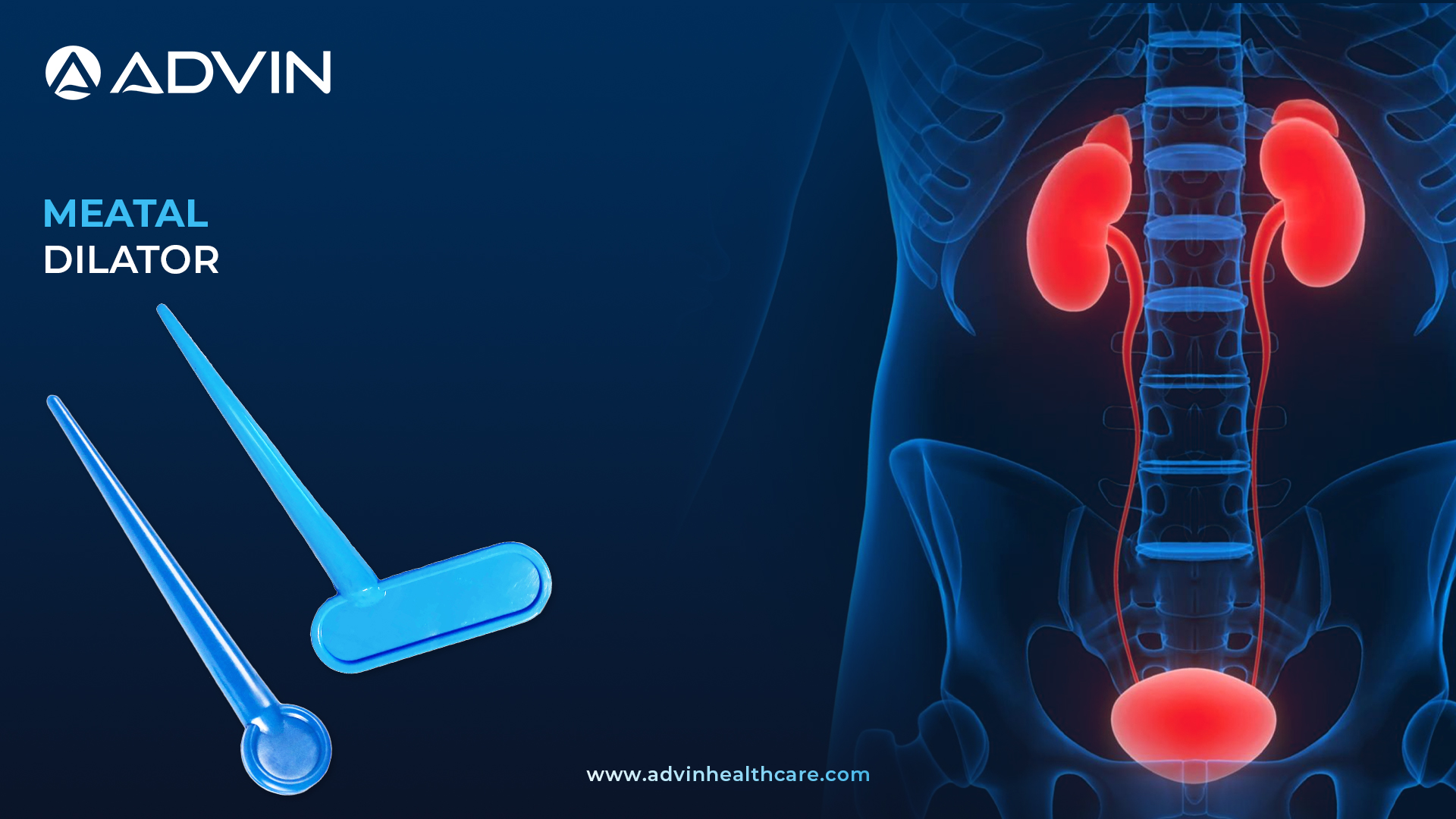
Meatal Dilator - Effective Solution for Urethral Meatus Dilation
Introduction to Meatal Dilator: Precision Tool for Urethral Meatus Dilation
A Meatal Dilator is a small, smooth instrument used to widen a narrowed urethral meatus at the tip of the penis. It helps restore normal urine flow in patients with meatal stenosis. The device is designed for gentle, controlled dilation in outpatient or clinical settings.
Development of the Meatal Dilator: Enhancing Patient Comfort and Procedural Ease
Meatal dilation has been a standard urological practice for many years, especially in pediatric and post-surgical patients. Earlier tools were simple metallic probes, but modern dilators are smoother and more ergonomically shaped for patient comfort. Meatal stenosis is common after circumcision or due to chronic inflammation, increasing the need for safe dilation tools. With advancements in material and design, reusable and disposable versions are now widely available.
What is a Meatal Dilator? A Quick Overview of Its Purpose and Functionality
Advin Health Care manufactures high-quality Meatal Dilators that offer effective and gentle dilation of the urethral opening. These instruments are used for treating meatal stenosis and are available in various sizes to suit different patient needs. Advin Health Care ensures that the dilators have a smooth finish and rounded tips to reduce discomfort during use. They are especially useful in pediatric and adult urology practices. The product helps in non-invasive management of urinary flow obstruction caused by meatal narrowing.
Clinical Applications: Used in Treating Meatal Stenosis and Urethral Narrowing
- Meatal Stenosis Dilation
- Hypospadias Repair Follow-up
- Pediatric Urology Procedures
- Urethral Meatus Reopening
How to Use a Meatal Dilator: Step-by-Step Guide for Safe and Effective Dilatation
- Clean and sterilize the dilator before use
- Apply water-based lubricant to the tip
- Gently insert the dilator into the urethral meatus
- Hold for a few seconds or as instructed by a clinician
- Remove slowly and clean after use
Top Countries Utilizing Meatal Dilators in Urology and Pediatric Urology
- India
- United States
- China
- Egypt
- Pakistan
- Indonesia
- Brazil
- Bangladesh
- Nigeria
- Philippines
Also Known As: Urethral Meatal Sound, Meatus Dilator
Urethral Meatus Dilator, Meatal Stenosis Dilator, Urethral Opening Dilator, Meatus Expander, Penile Tip Dilator, Pediatric Meatal Dilator, Male Meatal Dilator, Urology Meatus Dilator, Rounded Meatal Dilator, Stainless Steel Meatal Dilator
Advin Meatal Dilator: Available Sizes, Tapered Design, Reusable and Sterile Options
- Effective Solution for Meatal Stenosis and Urethral Narrowing
- Advin Health Care is a leading manufacturer of Meatal Dilator, offering precision-designed instruments for safe, effective, and gentle dilation of the urethral meatus.
- The Meatal Dilator is designed for self-dilation of the urethral meatus, helping to relieve obstruction caused by narrowing at the urethral opening. This medical device is ideal for patients experiencing difficulty in urination due to meatal stenosis and is commonly used in urological care to maintain or restore proper urinary flow.
Advanced Features
- Smooth Surface – Ensures ease of insertion and reduces patient discomfort
- Atraumatic Design – Minimizes trauma to sensitive tissue during use
- Anatomically Contoured – Conforms to the natural direction of the urethra for safe and effective dilation
- Gender-Specific Design – Separate configurations available for male and female anatomy
The Meatal Dilator is an essential tool in managing urethral strictures and maintaining urethral patency with minimal trauma.
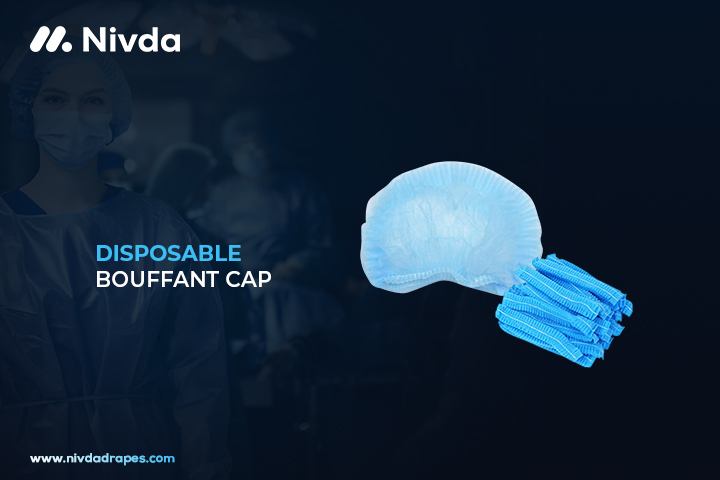
Disposable Bouffant Cap
Disposable Bouffant Cap
A Disposable Bouffant Cap is a lightweight, non-woven head cover used in hospitals and clinical environments. It prevents hair from contaminating sterile fields and medical equipment. These caps are designed for single-use, ensuring hygiene and comfort during procedures.
Product History
Bouffant caps were first adopted in medical settings to maintain sterility and reduce the spread of infections. They became standard in operating rooms and cleanrooms in the mid-20th century. Over time, disposable non-woven materials replaced reusable cloth versions for better hygiene. Today, they are widely used across healthcare and food industries.
Disposable Bouffant Cap – Lightweight Head Cover for Hygiene and Safety
Disposable Bouffant Caps from Nivda Drapes are made of soft, breathable, and skin-friendly material. Nivda Drapes ensures each cap offers full head coverage and stays secure without discomfort. They are ideal for healthcare professionals, patients, and visitors in sterile areas. These caps help maintain infection control standards while being lightweight and easy to wear. They are also cost-effective, making them a preferred choice for hospitals worldwide.
Surgeries Related to Product
- General Surgery
- Cardiac Surgery
- Orthopedic Procedures
- Gynecological Surgery
- Dental Surgery
- ENT Surgery
- Ophthalmic Surgery
- Neurosurgery
How to Wear a Disposable Bouffant Cap
- Open the pack in a clean environment
- Stretch the cap and place over the head
- Ensure full coverage of hair
- Adjust elastic for a secure fit
- Dispose of in medical waste after single use
Benefits of Using Bouffant Caps
- Prevents contamination of sterile fields from hair and dandruff
- Maintains a clean and hygienic surgical environment
- Lightweight and breathable for comfort during long use
- Reduces infection risk in hospitals and clinics
- Cost-effective and convenient for single-use
Alternative Names for Bouffant Caps
Surgical Head Cap, Disposable Head Cover, Medical Bouffant Cap, Non-Woven Head Cap, Hospital Cap, Operation Theatre Cap, Sterile Hair Cover
Frequently Used Product Combination
- Face Masks
- Isolation Gowns
- Shoe Covers
- Surgical Drapes
- Sterile Gloves
- Protective Eyewear
Nivda Drapes: Excellence in Medical Head Covers
Nivda Drapes is a leading manufacturer of Disposable Bouffant Caps, providing hygienic, comfortable, and cost-effective head covers trusted in hospitals worldwide.
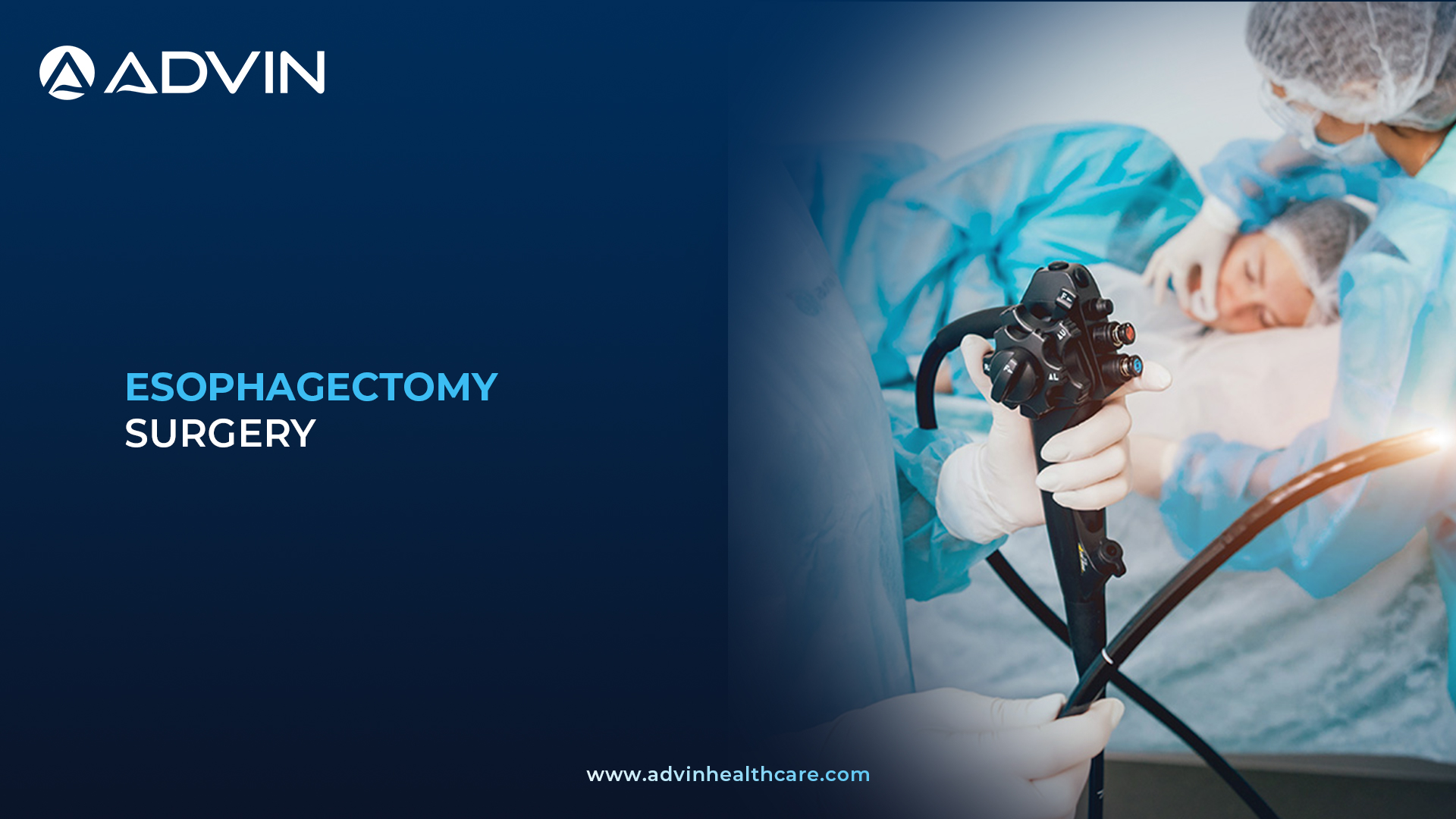
Understanding Esophagectomy - Procedure, Purpose & Progress
Understanding Esophagectomy
Esophagectomy is a surgical procedure to remove part or all of the esophagus. It is mostly performed to treat esophageal cancer or severe damage from other diseases. The remaining part of the digestive tract is reconnected to allow food to pass from the throat to the stomach or intestine.
Inside the Operation – How Esophagectomy Is Performed
Esophagectomy is usually done under general anesthesia, using either an open or minimally invasive approach. The surgeon accesses the esophagus through incisions in the neck, chest, or abdomen, depending on the disease location. A portion or the entire esophagus is removed along with surrounding lymph nodes. The stomach or a section of the intestine is then pulled up and connected to the remaining esophagus or throat to restore the digestive pathway. Tools like thoracoscopes, surgical staplers, and energy devices are commonly used. The surgery improves outcomes in patients with cancer, severe strictures, or non-functioning esophageal segments.
Why It’s Done?
- To treat esophageal cancer that has not spread extensively
- To manage Barrett’s esophagus with high-grade dysplasia
- For severe trauma or strictures unresponsive to endoscopic treatment
- In cases of advanced achalasia or end-stage motility disorders
Key Surgical Instruments for Esophagectomy
- Esophageal Stent
- Endoscopic Ultrasound (EUS) Scope
- Endoscopic Clipping Device
- Endoscopic Injection Needle
- Sclerotherapy Needle
- Hemoclip Applicator
- Endoscopic Electrosurgical Generator
- Nasojejunal Feeding Tube
- Balloon Dilator for Esophageal Stricture
- Mouth Guard for Endoscopy
Countries Where Esophagectomy Is Most Common
- United States
- China
- Japan
- Germany
- United Kingdom
Advantages of Esophagectomy Surgery
- Provides curative treatment for early-stage esophageal cancer
- Helps relieve severe swallowing difficulties
- Improves survival in selected patients with advanced disease
- Enables removal of diseased tissues and lymph nodes
- Allows restoration of digestive continuity using stomach or intestine
Recent Advances in Esophagectomy
Modern esophagectomy techniques have significantly improved patient outcomes. Minimally Invasive Esophagectomy (MIE) uses small incisions and endoscopic tools, reducing recovery time and complications. Robotic-assisted surgery offers greater precision and control for complex cases. Enhanced imaging, such as intraoperative fluorescence, helps ensure clear tumor margins. Newer anastomosis techniques lower the risk of leakage at the surgical join. These advances make the procedure safer, more effective, and more widely accessible.
Advin Health Care is a trusted manufacturer of Esophagectomy-related surgical instruments, offering a wide range of precision tools used in minimally invasive and open thoracoabdominal surgeries.
A Complete Guide to Coronary Artery Bypass Grafting (CABG) Surgery
Coronary Artery Bypass Grafting (CABG) Introduction
Coronary Artery Bypass Grafting (CABG) is a type of heart surgery used to improve blood flow to the heart. It is done when the arteries that supply blood to the heart muscle become blocked or narrowed. In this procedure, a healthy blood vessel is taken from another part of the body and used to bypass the blocked artery.
Restoring Heart Blood Flow Through Bypass Grafting
During CABG, the surgeon creates a new path for blood to reach the heart muscle by grafting a healthy artery or vein. The most common vessels used for grafting are the internal mammary artery and the saphenous vein from the leg. The surgery is usually performed through a chest incision while the patient is under general anesthesia. In most cases, a heart-lung machine is used to take over the function of the heart and lungs during the procedure. Some newer techniques allow the surgery to be done on a beating heart without the machine. CABG significantly improves blood circulation, reduces chest pain, and lowers the risk of heart attacks.
Why it’s done?
- Severe narrowing or blockage in the coronary arteries (due to coronary artery disease)
- Persistent angina (chest pain) that doesn’t improve with medication or lifestyle changes
- Left main coronary artery disease, which can be life-threatening if untreated
- Multiple blocked arteries causing reduced heart function or heart failure
- Emergency treatment during or after a heart attack when other options fail
Essential Surgical Tools & Devices for CABG
- Heart-lung machine (Cardiopulmonary bypass machine)
- Arterial cannula
- Venous cannula
- Saphenous vein harvesting set
- Chest retractor (Sternal retractor)
- Cardioplegia delivery system
- Internal mammary artery retractor
- Surgical sutures (vascular graft sutures)
- Coronary artery bypass grafts (vascular grafts)
- Electro cautery device
Top 5 Countries of Coronary Artery Bypass Grafting (CABG)
- United States
- India
- Germany
- United Kingdom
- Canada
Coronary Artery Bypass Grafting (CABG) Benefits
- Improves blood flow to the heart muscle and restores normal oxygen supply
- Reduces the risk of heart attacks in patients with severe artery blockage
- Increases life expectancy in patients with critical coronary artery disease
- Improves overall quality of life and exercise capacity
- Reduces the need for long-term medication or repeated angioplasty
- Offers long-term relief from symptoms like chest pain and shortness of breath
Advin Health Care is a leading manufacturer of Coronary Artery Bypass Grafting (CABG) related products, supporting cardiac surgeons with high-quality surgical tools and devices.
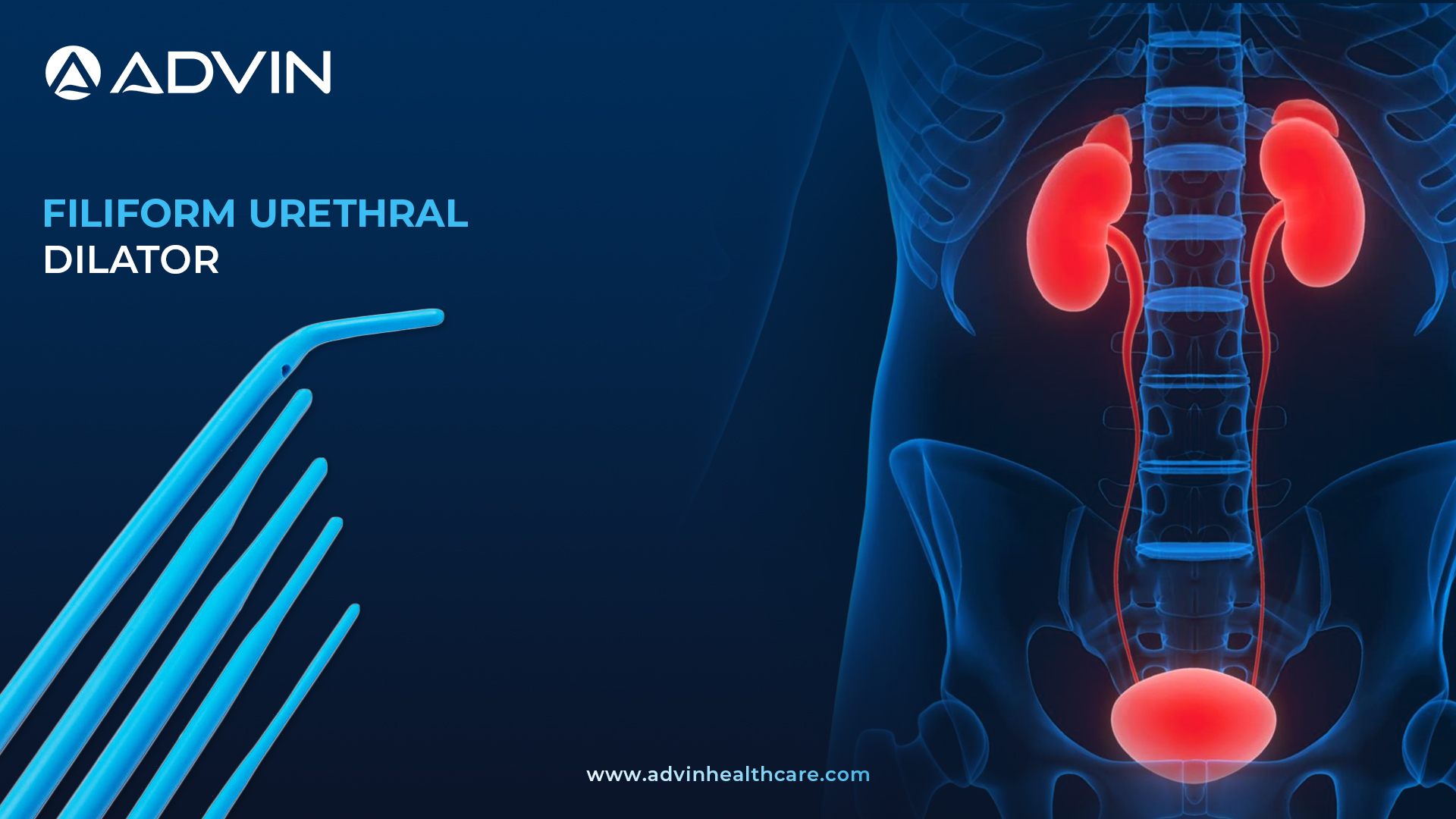
Filiform Urethral Dilator - A Key Tool for Managing Urethral Strictures
Introduction to Filiform Urethral Dilator: A Specialized Tool for Complex Urethral Stricture Management
The Filiform Urethral Dilator is a slender, flexible instrument used to gradually open narrow or strictured sections of the urethra. It is inserted into the urethra to restore urine flow in patients with urethral strictures. This device is commonly used as a first step in a series of dilations.
Evolution of Filiform Dilators: Advancing Precision in Urethral Dilation Techniques
Filiform dilators have been used in urology for decades to manage urethral stricture disease. They evolved from basic bougie designs to more specialized flexible forms for smoother insertion. Over time, these dilators have been paired with followers or other dilator types for complete tract management. Their use remains fundamental in both emergency and routine urethral stricture care worldwide.
What is a Filiform Urethral Dilator? A Brief Overview of Its Role in Urethral Interventions
Advin Health Care offers Filiform Urethral Dilators designed for precise and gentle dilation of urethral strictures. These dilators are made from medical-grade materials that ensure flexibility and patient comfort during use. Advin Health Care provides options in multiple sizes to accommodate varying degrees of urethral narrowing. Their smooth surface allows for easy navigation through tight strictures. The product is ideal for initial negotiation of complex or tortuous urethral paths.
Surgical Applications: Designed for Use in Sequential Urethral Stricture Dilatation Procedures
- Urethral Stricture Dilation
- Urethroplasty (Pre-Dilation)
- Catheterization in Difficult Urethral Passages
- Urethral Realignment Procedures
How to Use a Filiform Urethral Dilator: Step-by-Step Technique with Safety and Accuracy
- Lubricate the dilator well before use
- Gently insert the filiform dilator into the urethral opening
- Advance slowly until resistance is felt or stricture is passed
- Leave in place or attach a follower dilator if needed
- Monitor patient comfort and urine flow
Global Demand and Trends: Preferred in Chronic Stricture Cases and Reconstructive Urology
Filiform Urethral Dilators remain widely used in both developing and developed healthcare systems, especially in managing urethral stricture disease. Their demand is consistent due to rising cases of post-infectious and post-catheterization strictures. Hospitals prefer reusable and sterilizable sets, though single-use variants are gaining ground for infection control. In urology clinics, these dilators are standard tools for outpatient and minor surgical interventions.
Also Known As: Urethral Filiform Guide, Filiform and Follower Set
Filiform Dilator, Urethral Filiform, Urethral Negotiator, Flexible Urethral Dilator, Stricture Dilation Filiform, Urethral Stricture Filiform, Urology Filiform Rod, Filiform Urethral Rod, Male Urethral Filiform, Urethral Guide Filiform
Advin Filiform Urethral Dilator: Sizes, Flexibility, Tip Design, and Sterile Configuration
- Effective Solution for Gentle Urethral Dilation
- Advin Health Care is a leading manufacturer of Filiform Urethral Dilator, offering high-precision instruments designed for safe, smooth, and controlled urethral dilation in stricture management.
- The Filiform Urethral Dilator is specifically designed for self or clinical urethral dilation procedures. Its uniform taper and smooth surface allow for easy insertion while minimizing patient discomfort and trauma. Ideal for managing urethral strictures or post-operative care.
Advanced Features
- Sterile & Single Use – Ensures hygiene and eliminates cross-contamination risk
- Smooth Surface – Facilitates effortless navigation through the urethra
- Uniform Taper – Reduces trauma and enhances patient comfort during dilation
Available Types
• With Hole / Without Hole
• Straight / Curved
This dilator is a valuable tool for urologists and patients needing regular urethral maintenance or post-stricture management.
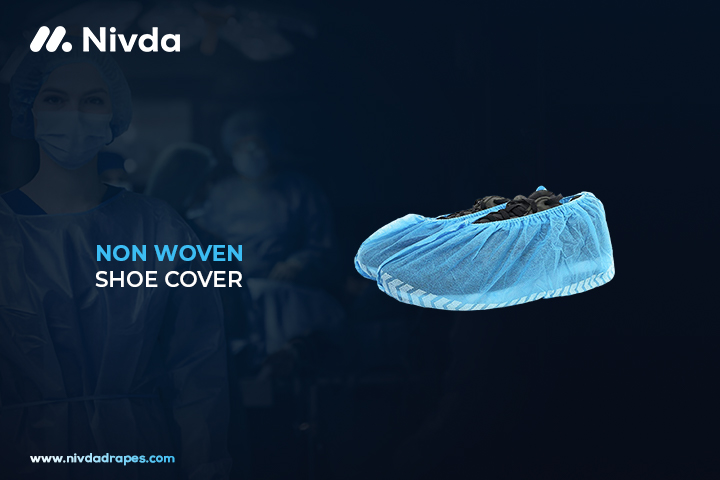
Non Woven Shoe Cover
Non Woven Shoe Covers
Non Woven Shoe Covers are disposable protective covers worn over footwear in hospitals and clean environments. They help maintain hygiene by preventing dust, dirt, and germs from entering sterile areas. These covers are lightweight, comfortable, and designed for single use.
Product History
Shoe covers were first introduced to hospitals and laboratories to control contamination. Initially, they were made from reusable fabric but proved less effective. With the development of non-woven materials, disposable shoe covers became more popular for their hygiene and convenience. Today, they are standard in hospitals, labs, and cleanroom industries worldwide.
Non Woven Shoe Cover – Trusted Disposable Shoe Cover for Medical Use
Non Woven Shoe Covers by Nivda Drapes are made from durable, fluid-resistant, and breathable non-woven fabric. Nivda Drapes ensures these covers provide strong grip with anti-skid properties to prevent slipping in hospital settings. They are lightweight yet sturdy, making them suitable for long hours of wear. These covers act as an effective barrier against contaminants from footwear. Hospitals prefer them for their reliability, safety, and cost-effectiveness.
Surgical Uses of Shoe Covers
- General Surgery
- Cardiac Surgery
- Orthopedic Procedures
- Gynecological Surgeries
- ENT Surgeries
- Neurosurgery
- Ophthalmic Surgeries
- Urology Surgeries
Step-by-Step Guide for Applying Shoe Covers
- Open the sterile pack in a clean environment
- Place shoe inside the cover carefully
- Pull the elastic edge over the shoe for a snug fit
- Ensure the cover is secure and fully covers the footwear
- Dispose of after single use in medical waste bin
Countries with Highest Use of Shoe Covers
- India
- United States
- China
- Brazil
- Russia
- Japan
- Germany
- United Kingdom
- Turkey
- Indonesia
Product Also Known As
Disposable Shoe Cover, Hospital Shoe Cover, Surgical Shoe Cover, Medical Footwear Cover, Non Woven Foot Cover, Operation Theatre Shoe Cover, Cleanroom Shoe Cover
Related Protective Equipment
- Disposable Bouffant Cap
- Face Mask
- Isolation Gown
- Latex/Nitrile Examination Gloves
- Non Woven Trolley Sheet
- Surgical Drapes
Global Demand for Shoe Covers
The demand for Non Woven Shoe Covers is increasing due to strict infection control policies in hospitals and cleanrooms. Their use has expanded beyond healthcare to pharmaceutical, electronics, and food industries. Global trends show a preference for eco-friendly and cost-effective disposable covers. Nivda Drapes continues to provide high-quality, reliable solutions to meet this growing demand.
Nivda Non Woven Shoe Cover Description
Nivda Drapes is a trusted manufacturer of Non Woven Shoe Covers, offering durable, hygienic, and cost-effective footwear protection for hospitals and sterile environments.