


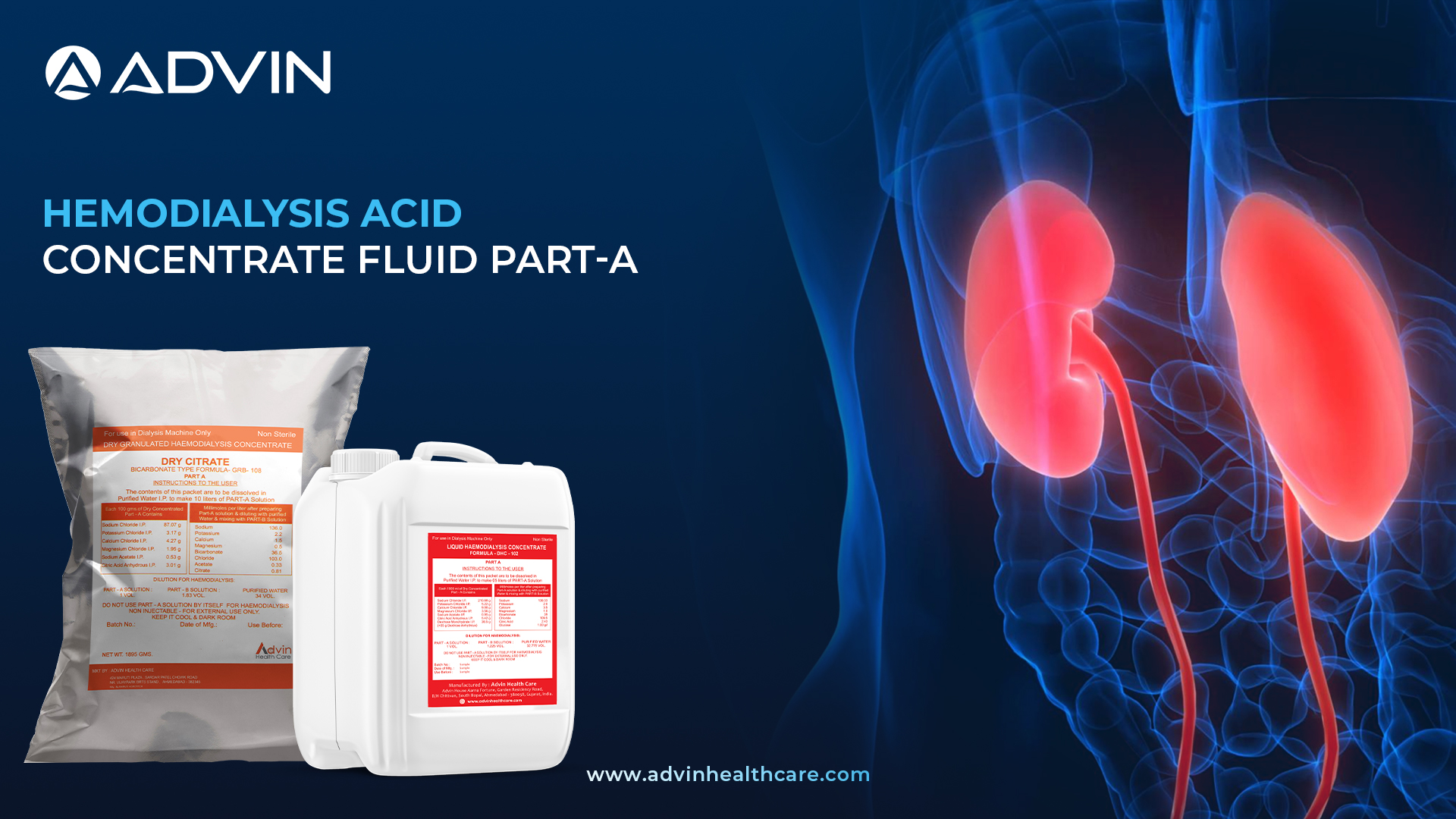
Hemodialysis Acid Concentrate – Optimized for All Dialysis Machines
Product History
Hemodialysis treatments have been used since the 1940s, with acid concentrate solutions evolving over time for better patient safety and treatment outcomes. Acid Concentrate (Part A) was developed to work alongside bicarbonate concentrate, providing an effective dialysis solution. Manufacturers have improved the formulation to match international quality standards. Today, it is widely used in hospitals and dialysis centers around the world.
Hemodialysis Acid Concentrate – Stable, Reliable, and Ready for Every Dialysis Session
Advin Health Care provides high-quality Hemodialysis Acid Concentrate Fluid (Part A), ensuring consistent dialysis performance and patient safety. The product contains a precise mix of electrolytes and acid components to support the dialysis process. It helps maintain proper blood chemistry during hemodialysis and assists in the removal of toxins. Advin Health Care formulates this solution under strict hygiene and safety conditions to meet global healthcare standards. The product is suitable for both acute and chronic dialysis patients.
Surgeries Related to Product
- Chronic Kidney Disease (CKD) management
- Acute Kidney Injury (AKI) treatment
- End-Stage Renal Disease (ESRD) dialysis
- Continuous Hemodialysis Procedures
- Hospital-based and outpatient dialysis sessions
Instructions for Use
- Connect the acid concentrate container securely to the dialysis machine.
- Ensure the machine is set to the proper mixing ratio as recommended.
- Do not use if the solution appears cloudy or the seal is broken.
- Monitor the patient’s vital signs and dialysate composition during treatment.
- Store the solution in a cool and dry place, away from direct sunlight.
Top 10 Countries of Surgeries
- United States
- India
- China
- Brazil
- Germany
- Japan
- Russia
- Mexico
- Indonesia
- Turkey
Advin Product Description
Advin Health Care is a prominent manufacturer of Hemodialysis Acid Concentrate Fluid (Part A), providing high-quality solutions for reliable and safe dialysis treatments across the globe.
Advanced Features
- Non-Pyrogenic: Designed to minimize the risk of fever and inflammation, ensuring patient safety.
- Non-Sterile: Intended for use with dialysis equipment that includes built-in sterilization and disinfection protocols.
- High Effectiveness: Formulated for optimal performance in removing toxins and maintaining electrolyte balance during dialysis.
- Precise Volume Accuracy: Manufactured with strict volume control for consistent and reliable dosing.
- Universal Machine Compatibility: Compatible with all standard dialysis machines, allowing flexible use across different clinical setups.

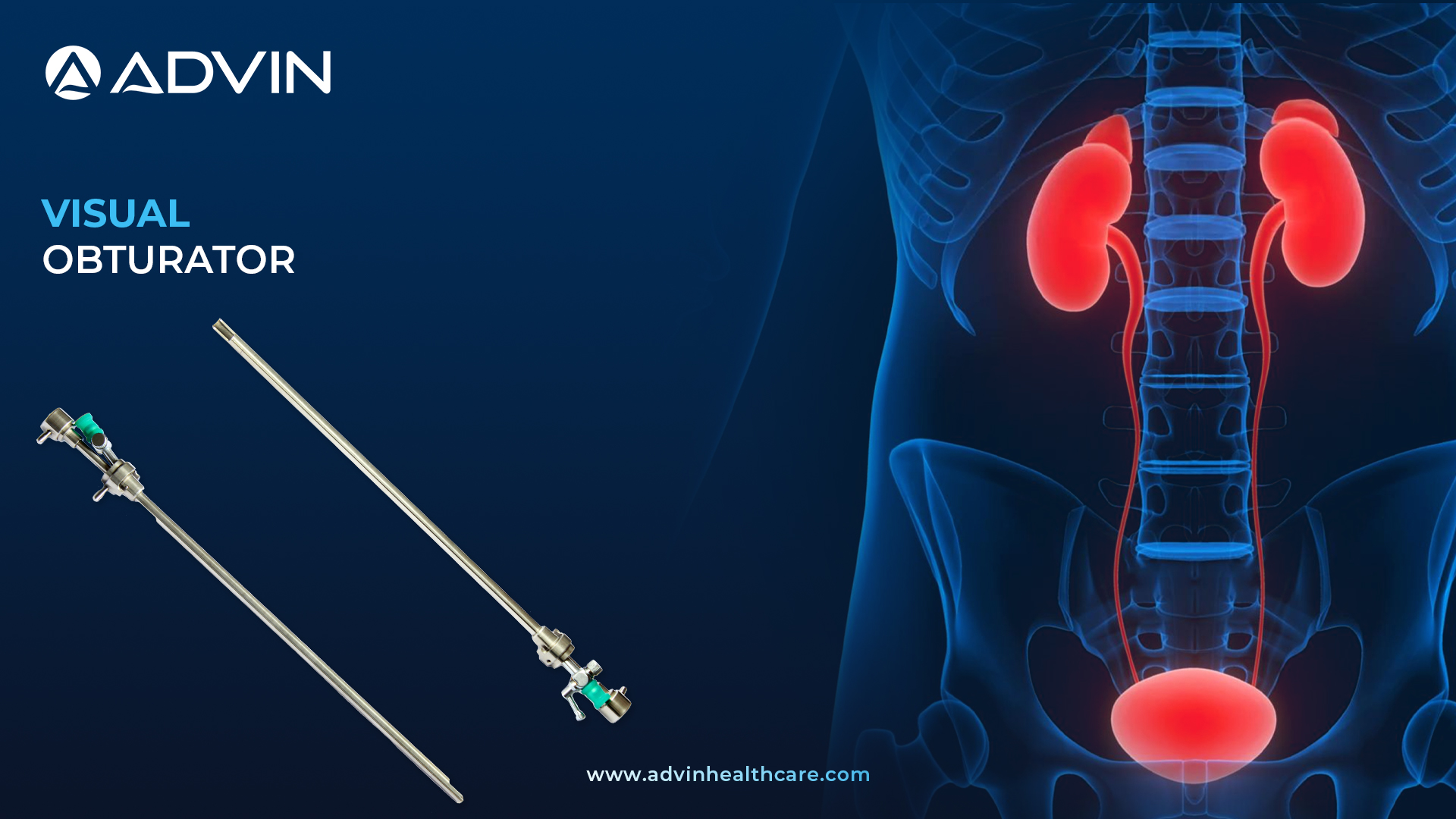
Visual Obturator – Precision Entry with Direct Visual Control
Introduction to the Visual Obturator
A Visual Obturator is a surgical accessory used to safely introduce an endoscopic sheath into the body with direct vision. It allows smooth and controlled entry while minimizing tissue trauma. This instrument is widely used in endourology and gynecological procedures.
Development and Evolution of the Visual Obturator
Earlier surgical access methods involved blind insertion of instruments, increasing the risk of injury. To solve this, visual Obturator were designed to allow entry under direct endoscopic visualization. Over time, the design evolved to include clear channels for telescopes and ergonomic grips. Today, visual Obturator are standard in many endoscopic procedures to improve safety and accuracy.
Brief Overview of the Visual Obturator
The Visual Obturator from Advin Health Care is designed to provide safe and precise access to body cavities during endoscopic procedures. It is used in conjunction with a telescope to allow surgeons to view the internal path during sheath insertion. Advin Health Care manufactures this instrument using medical-grade stainless steel and smooth finishing for patient safety. The design supports easy attachment to compatible sheaths and endoscopes. It helps reduce complications caused by blind access and ensures better procedural control.
Surgical Procedures Utilizing the Visual Obturator
- Cystoscopy
- Ureteroscopy
- TURP (Transurethral Resection of Prostate) TURBT (Transurethral Resection of Bladder Tumor)
- Hysteroscopy
How to Use the Visual Obturator
Insert a telescope into the visual Obturator. Attach the Obturator to the endoscopic sheath. Under visual guidance, gently insert the assembly into the body cavity. Monitor the pathway to avoid injury. Once proper placement is achieved, remove the Obturator and proceed with the procedure.
Global Adoption: Top 10 Countries Using the Visual Obturator
- India
- China
- United States
- Germany
- Brazil
- Egypt
- Russia
- Turkey
- Japan
- Mexico
Advin Visual Obturator: Product Specifications and Features
Advin Health Care is a prominent manufacturer of Visual Obturator, offering precision-engineered instruments that enhance safety and visibility during endoscopic access in various urological and gynecological procedures.
Advanced Features
- Anti-corrosive
- Smooth finish
- Strong construction
- High performance
- Durability
- Precise design
- Smooth finish
- Long lasting nature
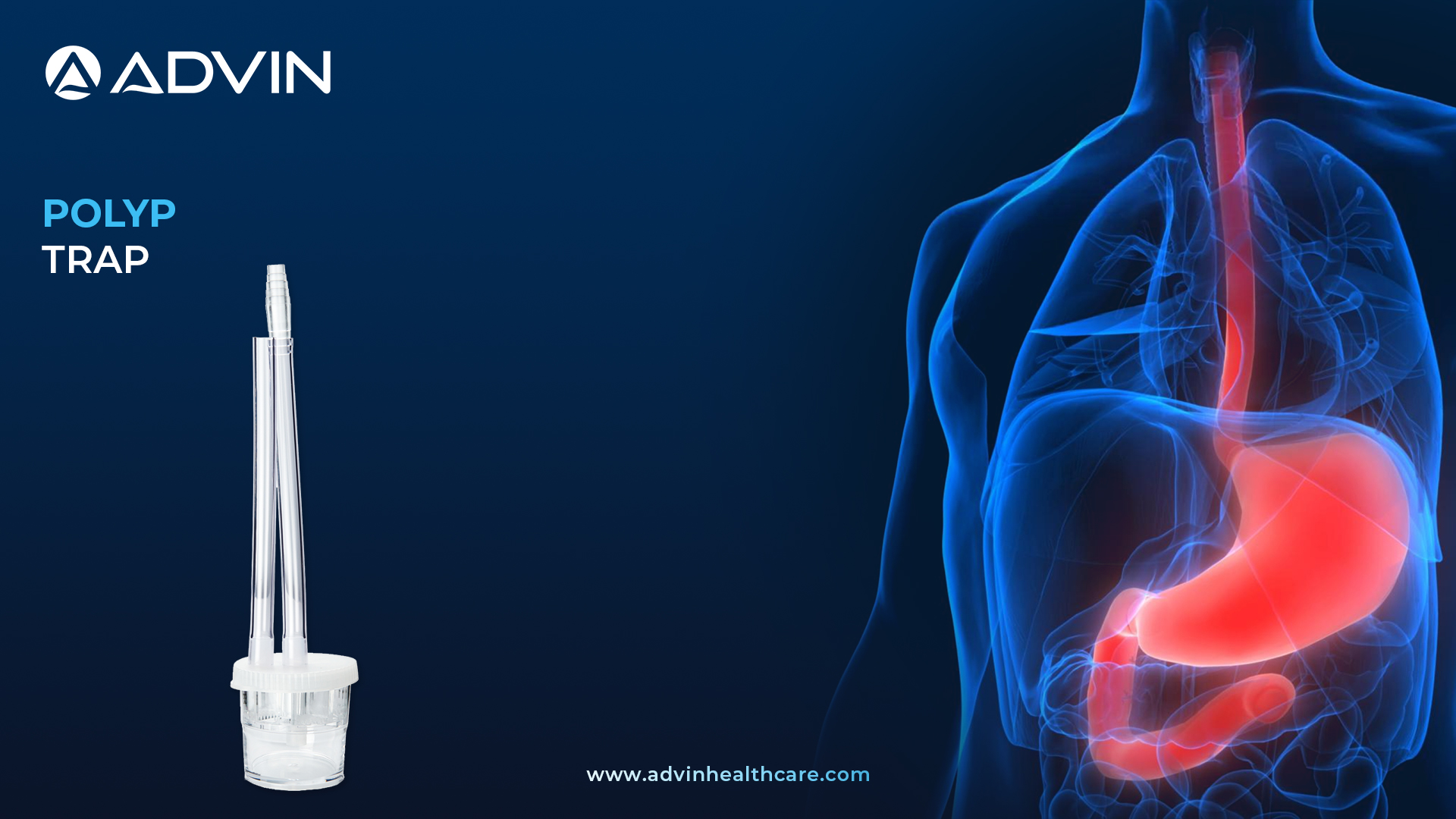
Efficient Specimen Collection in Endoscopy - The Role of Polyp Trap
What is a Polyp Trap?
A Polyp Trap is a medical device used during endoscopic procedures to collect tissue specimens, such as polyps, without interrupting suction. It is installed in-line between the suction channel and waste container. The device helps in safely capturing polyps for further examination or testing.
Product History
Polyp Traps were developed to address the challenge of retrieving small tissue specimens during gastrointestinal procedures. Earlier, medical staff had to manually extract polyps from waste, which increased the risk of tissue loss and contamination. Over time, innovations like removable chambers and clear labelling were added to improve accuracy and specimen handling. Today, Polyp Traps are commonly used across various hospitals and endoscopy units worldwide.
Polyp Trap – Designed for Easy, Accurate Polyp Capture
Polyp Traps by Advin Health Care are reliable, single-use devices designed to collect and store tissue samples during colonoscopy and endoscopy procedures. These traps eliminate the need for manual retrieval of specimens, ensuring patient safety and better infection control. The large, numbered chambers allow for accurate identification and safe transfer of tissue samples. Advin Health Care designs these devices with ease-of-use and efficiency in mind, meeting the standards of modern gastrointestinal diagnostics. This product reduces the chances of losing small or delicate tissue during retrieval.
Surgeries Where Polyp Trap is Commonly Used
- Colonoscopy
- Upper GI Endoscopy
- Flexible Sigmoidoscopy
- Polypectomy procedures
- Biopsy retrieval in gastrointestinal surgeries
Basic Instructions for Use
- Connect the Polyp Trap in-line with the suction tubing during the procedure.
- Ensure the removable chambers are securely placed before starting.
- Activate suction and begin the endoscopic retrieval process.
- After the procedure, remove the trap and seal the chambers for specimen analysis.
- Dispose of the single-use trap following hospital guidelines.
Benefits of Using a Polyp Trap
Polyp Traps reduce the risk of tissue contamination and improve specimen management. They help streamline the diagnostic process by making retrieval easy and minimizing handling errors. Single-use models also reduce the risk of infection. Their numbered compartments simplify post-procedure analysis. These benefits contribute to higher procedural safety and diagnostic accuracy.
Advin Polyp Trap Description
Advin Health Care is a prominent manufacturer of Polyp Trap, offering advanced and user-friendly designs for accurate tissue collection during endoscopic procedures. Their Polyp Trap devices are crafted to reduce manual intervention, ensure accurate specimen labeling, and maintain high hygiene standards, supporting better diagnostic outcomes.
Key Points
- Prevents tissue loss
- No manual retrieval needed
- Easy, accurate specimen transfer
- Single-use to avoid cross-contamination
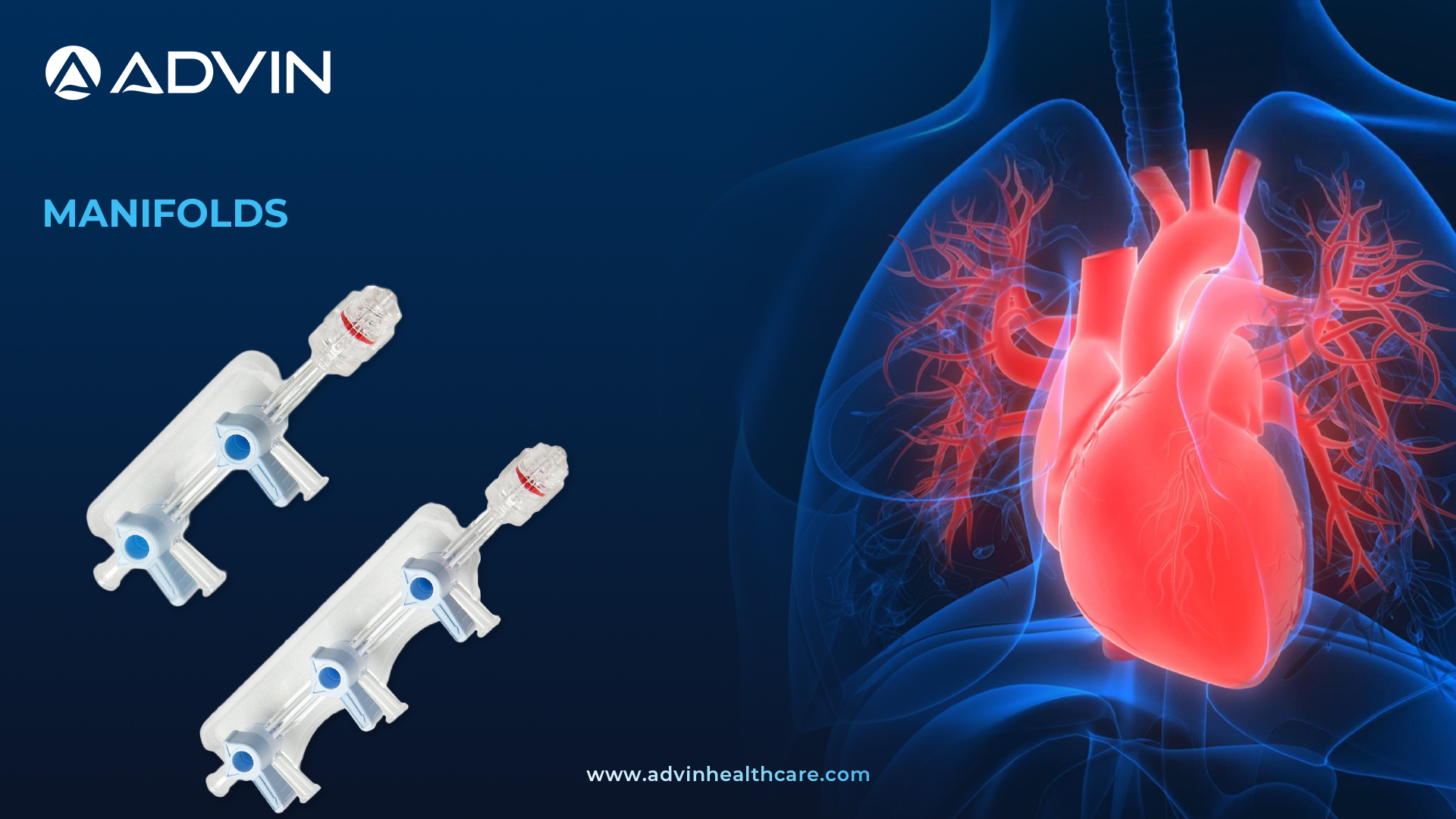
Optimize Cardiac Procedures with 2-Way & 3-Way Manifolds
2-Way & 3-Way Manifolds
Cardiology manifolds (2-way and 3-way) are essential devices used during diagnostic and interventional cardiac procedures. They help control and direct the flow of contrast media and other fluids. These manifolds are commonly used in catheterization labs for monitoring and injecting purposes.
Product History
Cardiology manifolds were developed to improve control during angiographic procedures. Over time, the design has evolved to include 2-way and 3-way options for better fluid management. These products are now widely used in cardiac catheterization labs worldwide. Their safety and ease of use have made them a standard tool in interventional cardiology.
Manifolds – Precision Control for Safe Contrast and Pressure Delivery
Cardiology manifolds by Advin Health Care are designed to provide precise control of fluids during cardiac catheterization procedures. These manifolds come in 2-way and 3-way configurations, offering flexibility and safety for the medical team. Advin Health Care ensures each product is manufactured with high-quality materials for maximum performance. The clear body allows for easy monitoring of fluid flow, and the ergonomic design supports ease of handling. These manifolds are compatible with most standard catheterization lab equipment.
Surgeries Related to Product
- Coronary Angiography
- Percutaneous Coronary Intervention (PCI)
- Balloon Angioplasty
- Cardiac Catheterization
- Electrophysiology Studies
Instructions for Use
- Connect the manifold securely to the pressure monitoring line and syringe.
- Ensure the stopcocks are in the correct position for fluid direction.
- Flush the system with saline to remove any air bubbles.
- Monitor the pressure and control contrast media during the procedure.
- Dispose of the manifold according to hospital protocol after single use.
Top 10 Countries of Surgeries
- United States
- India
- China
- Germany
- Japan
- Brazil
- United Kingdom
- France
- South Korea
- Italy
Advin 2-Way & 3-Way Manifolds Description
Advin Health Care is a leading manufacturer of Cardiology Manifolds (2-way and 3-way), offering high-quality solutions for cardiac catheterization and interventional procedures.
Features of Cardiology Manifolds (2-Way & 3-Way):
- Clear polycarbonate body
- Smooth and easy to use
- Handles high pressure
- Leak-proof performance
- Sterilized and ready to use
- Single-Use and Sterile Packaging
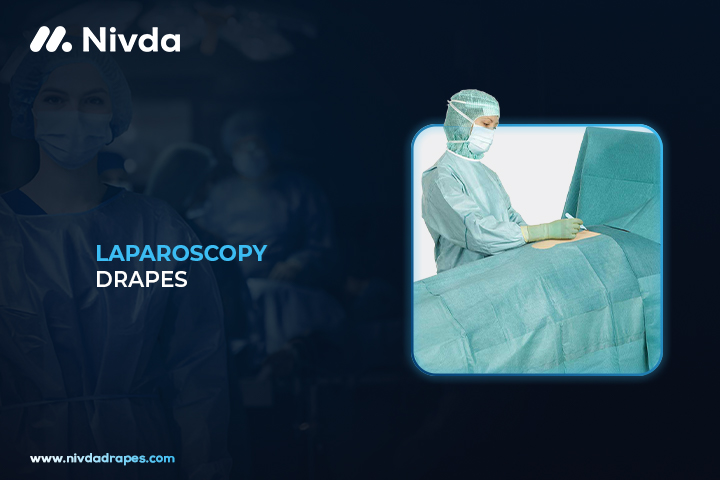
Laparoscopy Drapes
Laparoscopy Drapes
Laparoscopy Drapes are specially designed sterile sheets used during laparoscopic surgeries. These drapes help create a sterile barrier to prevent infection and maintain a clean operating field. They are essential for ensuring patient safety and smooth surgical procedures.
Product History
Laparoscopy Drapes have evolved with advancements in minimally invasive surgical techniques. Initially, general-purpose drapes were used, but over time, specialized designs were developed for better fit and functionality. NIVDA Drapes introduced custom laparoscopy drapes to meet surgical needs more effectively. Their improved design and materials have helped surgeons maintain sterile conditions more reliably.
Laparoscopy Drapes – Secure Fit for Stable Draping Throughout the Procedure
NIVDA Drapes offers laparoscopy drapes made from high-quality, fluid-resistant materials for maximum protection. These drapes come with features like adhesive edges and instrument pouches to improve surgical workflow. NIVDA Drapes are designed for easy application and secure coverage throughout the procedure. The material used is both strong and breathable, ensuring patient comfort and safety. These drapes are trusted by hospitals worldwide for their durability and performance
Surgeries Related to Product
Laparoscopy Drapes are commonly used in procedures such as appendectomy, cholecystectomy (gallbladder removal), hernia repair, gynecologic surgeries (like hysterectomy), bariatric surgery, and diagnostic laparoscopy.
Instructions for Use
- Open the sterile package carefully before the procedure.
- Position the patient correctly on the operating table.
- Unfold the laparoscopy drape and align it with the surgical site.
- Use adhesive areas to secure the drape in place.
- Ensure that all equipment ports are accessible and that the drape covers all necessary areas.
Top 10 Countries of Surgeries
- United States
- India
- China
- Germany
- Brazil
- Japan
- United Kingdom
- Russia
- Mexico
- France
NIVDA Product Description
NIVDA Drapes is a top manufacturer of Laparoscopy Drapes, providing hospitals with reliable, sterile, and high-performance solutions for minimally invasive surgeries. Each drape is made from high-quality, fluid-resistant, and lint-free materials to maintain a sterile environment. The design includes integrated fluid collection pouches, adhesive zones for secure placement, and strategically placed instrument ports. NIVDA Laparoscopy Drapes ensure full coverage of the surgical site while allowing easy access for laparoscopic instruments. They are latex-free, enhancing patient safety and reducing the risk of allergic reactions. These drapes are trusted by surgeons globally for their ease of use, dependable barrier protection, and compliance with international medical standards.