


Hepaticojejunostomy Surgery - Restoring Biliary Flow through Surgical Precision
Hepaticojejunostomy Surgery Introduction
Hepaticojejunostomy is a surgical procedure that connects the hepatic duct to the jejunum. This allows bile to bypass a blocked or damaged bile duct and flow directly into the small intestine. It is often performed when normal bile drainage is impaired due to injury, obstruction, or tumors.
Surgical Approach and Procedure Details
This surgery begins by accessing the liver and isolating the hepatic duct. The surgeon then selects a healthy segment of the jejunum and brings it near the hepatic duct. Using microsurgical techniques, a direct anastomosis is created between the two structures. This reroutes bile from the liver to the intestine, bypassing any obstruction or damage. Laparoscopic or open techniques may be used depending on the patient’s condition. Instruments such as dilators, graspers, and electrosurgical devices are essential for this procedure.
Medical Indications for Hepaticojejunostomy
- Bile duct injury following gallbladder surgery
- Strictures from chronic inflammation or trauma
- Obstruction from tumors or cholangiocarcinoma
- Congenital abnormalities of the bile ducts
- Biliary-enteric drainage after liver transplantation
Essential Gastroenterology Tools
- Biliary Dilator Set
- Biliary Balloon Dilator
- ERCP Guide Wire
- Biliary Cytology Brush
- Stone Extraction Balloon
- Biliary Drainage Catheter
- Cholangiography Catheter
- Naso-Biliary Drainage Set
- Electrosurgical Pencil
- Endoscopic Scissors
Global Adoption of the Procedure
- United States
- India
- Germany
- Japan
- South Korea
Recent Technological Integration in Biliary Surgery
Modern hepaticojejunostomy procedures benefit from innovations such as 3D laparoscopy, advanced energy devices, and real-time intraoperative imaging. These technologies help in improving surgical outcomes, reducing operative time, and enhancing patient recovery.
Hepaticojejunostomy Surgery Benefits
- Restores normal bile flow into the intestine
- Prevents bile accumulation and liver damage
- Reduces symptoms like jaundice and itching
- Enhances long-term liver function
- Minimizes risks of bile leak or infection
Advin Health Care offers a complete range of endoscopy and biliary access devices essential for successful Hepaticojejunostomy procedures, with a focus on safety, precision, and global standards.

Surgical Removal of the Pancreas Tail - Distal Pancreatectomy
What Is Distal Pancreatectomy?
Distal pancreatectomy is a surgical procedure that involves removing the body and tail of the pancreas. It is typically done to treat tumors, cysts, or chronic inflammation in this part of the pancreas. Sometimes the spleen is also removed during the surgery if it shares blood supply with the pancreas.
Surgical Overview – A Focused Approach to the Pancreatic Tail
In distal pancreatectomy, surgeons make an incision in the abdomen to access the pancreas. Using laparoscopic or open techniques, the body and tail of the pancreas are separated from nearby tissues. Blood vessels are carefully sealed, and if required, the spleen is also removed. Surgical staplers or energy devices are commonly used for pancreatic transection. The procedure helps manage conditions like pancreatic cancer, cystic neoplasms, and trauma. Recovery often depends on whether the surgery was open or minimally invasive.
Common Medical Indications
- To remove cancerous tumors in the pancreatic body or tail
- To treat benign pancreatic cysts or growths
- For managing chronic pancreatitis affecting the distal pancreas
- In cases of traumatic injury to the pancreatic tail
- To treat neuroendocrine tumors or metastatic lesions
Products required in Distal Pancreatectomy Surgery
- Endoscopic Ultrasound (EUS) Needle
- EUS Fine Needle Aspiration (FNA) Set
- Cystotome
- Pancreatic Stent
- ERCP Cannula
- Sphincterotome
- Stone Retrieval Basket
- Guidewire – Zebra or Nitinol
- Biliary Dilator
- Hemostatic Clips
Where Is the Surgery Most Common?
- United States
- Germany
- Japan
- United Kingdom
- South Korea
Spleen Preservation in Distal Pancreatectomy
Spleen preservation is considered in distal pancreatectomy when dealing with benign or low-grade tumors. It helps maintain immune function and reduces the risk of long-term infections. Surgeons may preserve the splenic vessels or use alternate blood supply routes. The approach depends on tumor location and vessel involvement. When feasible, it improves recovery and lowers postoperative risks.
Clinical Outcomes and Gains
- Removes tumors or diseased tissue to prevent cancer progression
- Offers relief from chronic pain caused by pancreatitis
- Improves long-term survival in selected pancreatic cancers
- Can be performed laparoscopically for faster recovery
- Reduces complications compared to total pancreatectomy
Advin Health Care is a trusted manufacturer of high-quality gastroenterology and laparoscopic products used in Distal Pancreatectomy procedures globally.
Lateral Internal Sphincterotomy - A Trusted Surgery for Chronic Anal Fissures
Lateral Internal Sphincterotomy Introduction
Lateral Internal Sphincterotomy (LIS) is a surgical treatment used to relieve chronic anal fissures. It involves making a small cut in the internal anal sphincter muscle to reduce pressure and promote healing. This procedure is commonly performed when medical treatments fail to resolve symptoms.
Procedure Insights – A Precise Approach to Healing
During LIS surgery, the patient is positioned to allow clear access to the anal area, typically under local or general anesthesia. The surgeon makes a small incision on the lateral side of the internal anal sphincter muscle and carefully divides a portion of it. This reduces spasms, improves blood flow, and allows the fissure to heal over time. The procedure is often done as a day-care surgery and lasts about 15–30 minutes. Tools like retractors, fine scissors, electrosurgical pencils, and anoscopes may be used. LIS offers a high success rate and long-term relief with minimal complications when performed correctly.
When LIS is Recommended
- For patients with chronic anal fissures not responding to conservative treatments
- To relieve severe anal pain, especially during and after bowel movements
- To prevent recurrence of fissures that frequently reappear after medical management
- To avoid complications like sentinel piles or perianal abscesses
Essential Tools for LIS Surgery
- Anoscope
- Proctoscope
- Endoscopic Light Source
- Endoscopic Camera System
- Suction Irrigation Set
- Electrosurgical Unit (ESU)
- Monopolar Electrode
- Bipolar Electrode
- Endoscopic Grasper
- Disposable Anoscope with LED
Top 5 Countries of Lateral Internal Sphincterotomy
- United States
- Germany
- United Kingdom
- India
- Australia
Comparison with Alternative Treatments
Lateral Internal Sphincterotomy (LIS) offers better long-term relief than non-surgical treatments for chronic anal fissures. While options like topical creams or botulinum toxin injections may help early cases, they often have higher recurrence rates. LIS is more effective in promoting lasting healing. Compared to anal dilation, LIS carries a lower risk of complications and more controlled results. It remains the preferred choice when conservative treatments fail.
Lateral Internal Sphincterotomy Benefits
- Rapid pain relief and fissure healing
- Low recurrence rate compared to non-surgical methods
- Minimal surgical site complications
- Performed as a daycare or short-stay procedure
- Improves quality of life by resolving chronic discomfort
Advin Health Care is a leading manufacturer of Lateral Internal Sphincterotomy-related surgical and endoscopy products, supplying high-quality solutions globally.

Choledocholithotomy - Minimally Invasive Solutions for Bile Duct Stones
Choledocholithotomy Surgery Introduction
Choledocholithotomy is a surgical procedure performed to remove stones from the common bile duct (CBD). It is usually done when non-surgical methods like ERCP fail or are not feasible. This surgery helps restore normal bile flow and prevents serious complications like cholangitis or pancreatitis.
Surgical Precision in Action – The Choledocholithotomy Procedure
Choledocholithotomy is typically performed through either an open or laparoscopic approach, depending on the patient’s condition and stone size. The surgeon makes an incision in the common bile duct and carefully extracts the stones using specialized instruments. A choledochoscope may be used to visualize and confirm complete stone removal. Once cleared, the duct may be closed directly or with a T-tube to allow bile drainage. This surgery is often supported by intraoperative cholangiography to ensure no residual stones remain. It is a vital procedure when other stone removal techniques are unsuccessful or contraindicated.
When Is Choledocholithotomy Required?
- Stones causing obstruction in the common bile duct
- Recurrent biliary colic or jaundice due to CBD stones
- Acute cholangitis unresponsive to endoscopic treatment
- CBD stones discovered during gallbladder surgery
- Failure or contraindications of endoscopic stone extraction
Instruments Supporting Biliary Surgery Success
- Choledochoscope
- Stone Retrieval Basket
- Biliary Dilator
- ERCP Catheter
- Biliary Balloon Dilator
- Bile Duct Forceps
- Surgical Scissors
- Laparoscopic Grasper
- Suction Irrigation Set
- T-Tube Drainage Set
Global Landscape of Common Bile Duct Surgeries
- China
- India
- United States
- Brazil
- Germany
Common Stone Composition in Bile Duct Cases
Bile duct stones are mainly classified into cholesterol stones and pigment stones. Cholesterol stones are more common in Western countries, while pigment stones are often seen in Asia due to infections or liver disorders. Identifying the stone type helps guide treatment decisions. Preoperative imaging and lab tests assist in determining composition and recurrence risk.
Choledocholithotomy Benefits
- Effective removal of large or impacted CBD stones
- Prevents recurrent infections like cholangitis
- Reduces risk of bile duct strictures or pancreatitis
- Offers a definitive solution when ERCP fails
- Allows intraoperative stone visualization and duct clearance
Advin Health Care is a trusted manufacturer and global supplier of Choledocholithotomy-related surgical and endoscopic instruments, offering precision-engineered tools for safe and successful outcomes.
Global Landscape of Common Bile Duct Surgeries
- China
- India
- United States
- Brazil
- Germany
Common Stone Composition in Bile Duct Cases
Bile duct stones are mainly classified into cholesterol stones and pigment stones. Cholesterol stones are more common in Western countries, while pigment stones are often seen in Asia due to infections or liver disorders. Identifying the stone type helps guide treatment decisions. Preoperative imaging and lab tests assist in determining composition and recurrence risk.
Choledocholithotomy Benefits
- Effective removal of large or impacted CBD stones
- Prevents recurrent infections like cholangitis
- Reduces risk of bile duct strictures or pancreatitis
- Offers a definitive solution when ERCP fails
- Allows intraoperative stone visualization and duct clearance
Advin Health Care is a trusted manufacturer and global supplier of Choledocholithotomy-related surgical and endoscopic instruments, offering precision-engineered tools for safe and successful outcomes.
Hepaticojejunostomy Surgery - Restoring Biliary Flow through Surgical Precision
Hepaticojejunostomy Surgery Introduction
Hepaticojejunostomy is a surgical procedure that connects the hepatic duct to the jejunum. This allows bile to bypass a blocked or damaged bile duct and flow directly into the small intestine. It is often performed when normal bile drainage is impaired due to injury, obstruction, or tumors.
Surgical Approach and Procedure Details
This surgery begins by accessing the liver and isolating the hepatic duct. The surgeon then selects a healthy segment of the jejunum and brings it near the hepatic duct. Using microsurgical techniques, a direct anastomosis is created between the two structures. This reroutes bile from the liver to the intestine, bypassing any obstruction or damage. Laparoscopic or open techniques may be used depending on the patient’s condition. Instruments such as dilators, graspers, and electrosurgical devices are essential for this procedure.
Medical Indications for Hepaticojejunostomy
- Bile duct injury following gallbladder surgery
- Strictures from chronic inflammation or trauma
- Obstruction from tumors or cholangiocarcinoma
- Congenital abnormalities of the bile ducts
- Biliary-enteric drainage after liver transplantation
Essential Gastroenterology Tools
- Biliary Dilator Set
- Biliary Balloon Dilator
- ERCP Guide Wire
- Biliary Cytology Brush
- Stone Extraction Balloon
- Biliary Drainage Catheter
- Cholangiography Catheter
- Naso-Biliary Drainage Set
- Electrosurgical Pencil
- Endoscopic Scissors
Global Adoption of the Procedure
- United States
- India
- Germany
- Japan
- South Korea
Recent Technological Integration in Biliary Surgery
Modern hepaticojejunostomy procedures benefit from innovations such as 3D laparoscopy, advanced energy devices, and real-time intraoperative imaging. These technologies help in improving surgical outcomes, reducing operative time, and enhancing patient recovery.
Hepaticojejunostomy Surgery Benefits
- Restores normal bile flow into the intestine
- Prevents bile accumulation and liver damage
- Reduces symptoms like jaundice and itching
- Enhances long-term liver function
- Minimizes risks of bile leak or infection
Advin Health Care offers a complete range of endoscopy and biliary access devices essential for successful Hepaticojejunostomy procedures, with a focus on safety, precision, and global standards.
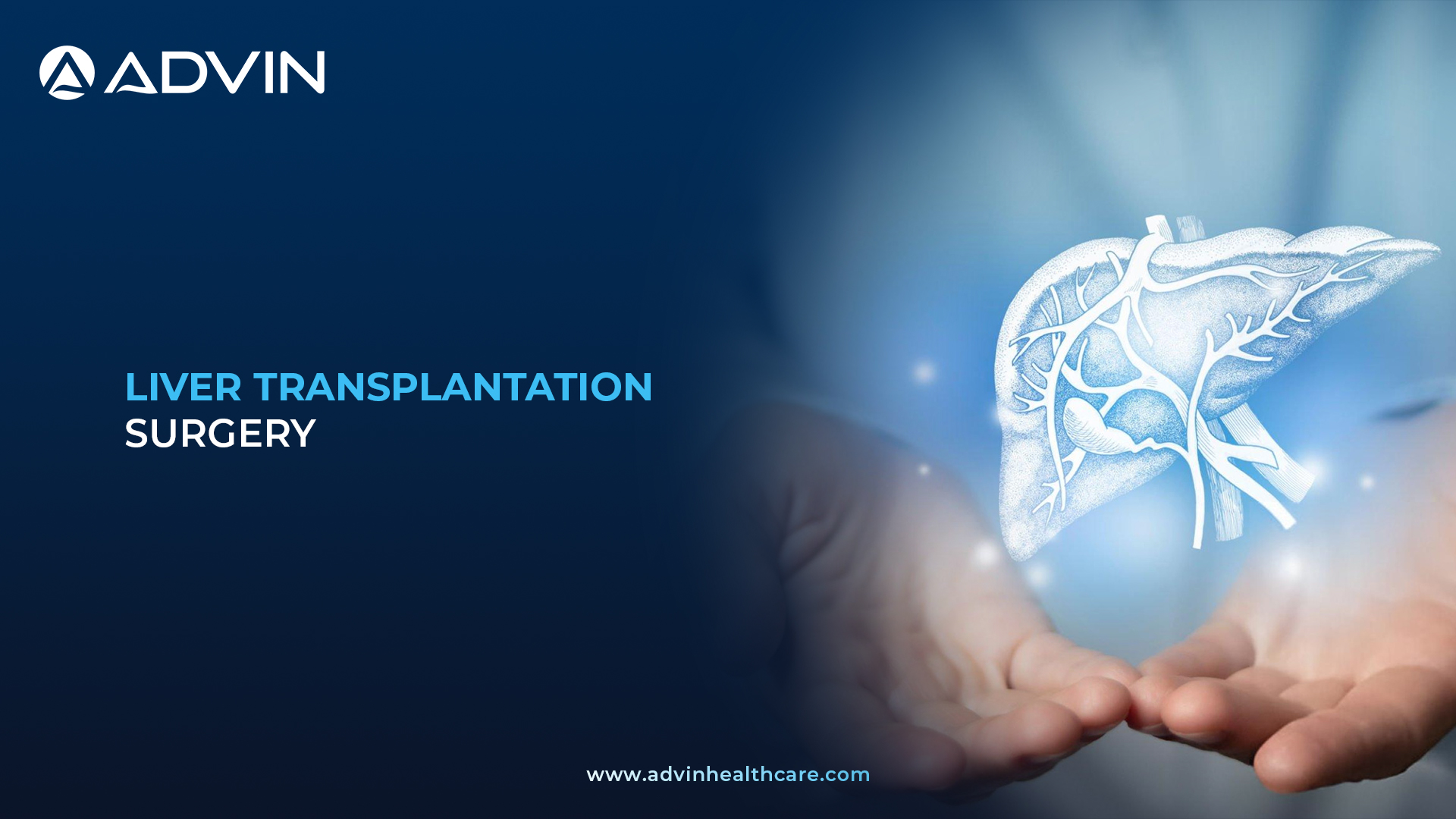
Liver Transplantation Surgery - A Lifesaving Gastroenterological Breakthrough
Liver Transplantation Introduction
Liver transplantation is a life-saving surgery where a diseased or non-functioning liver is replaced with a healthy donor liver. It is typically recommended for patients with end-stage liver disease or acute liver failure. This surgery restores normal liver function and improves survival.
A Closer Look – How Liver Transplantation is Performed
Liver transplantation is a complex surgery that typically lasts 6 to 12 hours and involves a multidisciplinary team. The patient is placed under general anaesthesia, and the diseased liver is carefully removed. A healthy donor liver—either from a deceased or living donor—is then implanted and connected to the patient’s blood vessels and bile ducts. Surgical tools such as vascular clamps, liver retractors, and biliary stents are used during the procedure. After transplantation, the liver is monitored closely for signs of rejection or complications. The surgery aims to restore liver function, prevent further complications, and enhance the patient’s quality of life.
When is Liver Transplant Surgery Needed?
- End-stage liver cirrhosis due to hepatitis B or C infection
- Acute liver failure from toxins, viruses, or drug overdose
- Liver cancer that hasn’t spread beyond the liver
- Genetic liver diseases such as Wilson’s disease or hemochromatosis
Pre-Transplant Evaluation Process
Before a liver transplant, patients must undergo a detailed evaluation to ensure they are suitable candidates for the procedure. This includes imaging tests like abdominal ultrasound, CT scan, or MRI to assess liver size and blood flow. Blood tests are performed to evaluate liver function, infection risk, and overall organ health. Cardiopulmonary assessments help rule out underlying heart or lung issues. A psychological evaluation may also be part of the process to assess mental readiness for post-surgical care. This step ensures that transplantation offers the best chance for long-term recovery and success.
Essential Surgical Instruments for Liver Transplant
- Biliary Stent
- Bile Duct Dilators
- Choledochoscope
- ERCP Catheter
- Laparoscopic Trocar
- Suction Irrigation Set
- Liver Retractor
- Surgical Sutures
- Stone Retrieval Basket
- Hemostatic Clips
- Tissue Forceps
- Balloon Dilator
- Endoscopic Needle Knife
Top 5 Countries of Liver Transplantation
- United States
- India
- China
- Germany
- South Korea
What Patients Gain from a Liver Transplant
- Restores liver function and prolongs life in patients with liver failure
- Improves overall quality of life by relieving symptoms like fatigue and jaundice
- Allows patients to return to daily activities and work post-recovery
- Increases survival rates for patients with liver-based cancers
- Reduces need for repeated hospitalizations and ongoing treatments
Advin Health Care is a trusted global manufacturer of advanced gastroenterology and surgical tools used in Liver Transplantation procedures.

Colon Polypectomy Surgery - A Minimally Invasive Approach to Cancer Prevention
Understanding Colon Polypectomy
Colon polypectomy is a procedure to remove polyps from the inner lining of the colon. These polyps can be benign or have the potential to turn into colorectal cancer over time. The surgery is typically performed during a colonoscopy using minimally invasive endoscopic tools.
Removing Hidden Risks – The Procedure Behind Colon Polypectomy
During colon polypectomy, a flexible colonoscope is inserted into the rectum to visualize the colon. Once a polyp is detected, it is removed using specialized tools such as snares, biopsy forceps, or electrocautery loops. Small polyps are often removed in one piece, while larger ones may be removed in sections. The entire procedure is done endoscopically, meaning no incisions are required. Removed tissue is sent for pathological examination to check for signs of cancer or dysplasia. This procedure significantly reduces the risk of colorectal cancer by eliminating precancerous growths early.
Indications for This Procedure
- To remove precancerous polyps and prevent colorectal cancer
- To diagnose the nature of abnormal growths in the colon
- To treat symptoms like bleeding or changes in bowel habits caused by polyps
- As part of routine colorectal cancer screening in high-risk or older individuals
Essential Endoscopic Tools for Polypectomy
- Colonoscope
- Polypectomy Snare
- Biopsy Forceps
- Electrosurgical Generator
- Hot Biopsy Forceps
- Injection Needle (for lifting polyps)
- Endoscopic Clip (for post-polypectomy bleeding control)
- CO₂ Insufflator
- Retrieval Basket or Net
- Endoscope Cleaning Brush
Technological Innovations in Polypectomy Tools
Recent advancements in endoscopic technology have improved the safety and efficiency of colon polypectomy procedures. Devices like cold snares, rotatable forceps, and underwater polypectomy tools have reduced the risk of complications. Modern electrosurgical units now offer adjustable energy settings for precise cutting with minimal thermal injury. Enhanced imaging features like narrow-band imaging (NBI) and chromoendoscopy help in better visualization and complete removal of polyps. These innovations allow even large or difficult polyps to be removed without surgery. As technology continues to evolve, polypectomy becomes safer, faster, and more effective.
Colon Polypectomy Benefits
- Minimally invasive method for cancer prevention
- Can be done during routine colonoscopy without separate surgery
- Reduces future risk of colorectal cancer significantly
- Quick recovery and often done as an outpatient procedure
- Immediate pathological diagnosis through tissue sampling
Advin Health Care is a leading manufacturer of Colon Polypectomy-related endoscopic products, offering a complete range of high-quality tools to support effective and safe procedures worldwide.

Esophageal Dilation Surgery - A Relief for Swallowing Disorders
Understanding Esophageal Dilation
Esophageal Dilation is a procedure used to widen a narrowed section of the esophagus. This narrowing, also called a stricture, can make swallowing difficult or painful. The surgery is commonly done using endoscopy with special tools to gently stretch the narrowed area.
Gentle Expansion for Easier Swallowing
Esophageal Dilation is usually performed using a flexible endoscope passed through the mouth to visualize the esophagus. Once the narrowed area is identified, either a balloon dilator or a bougie dilator is inserted. The balloon is inflated or the bougie is advanced to gradually stretch the narrowed segment. Local anesthesia and light sedation are commonly used to make the procedure comfortable. Fluoroscopy may be used for real-time imaging during the dilation. This procedure allows food and liquid to pass more easily through the esophagus, greatly improving swallowing function.
When is Esophageal Dilation Needed?
- To treat esophageal strictures caused by chronic acid reflux or GERD.
- To manage narrowing from radiation therapy, surgery, or cancer treatment.
- To relieve difficulty swallowing (dysphagia) in conditions like achalasia or eosinophilic esophagitis.
- To improve quality of life in patients with benign or malignant esophageal narrowing.
Endoscopic Tools Used in Esophageal Dilation
- Esophageal Balloon Dilator
- TTS (Through-The-Scope) Balloon Dilator
- Wire-Guided Bougie Dilator
- Esophageal Stent
- Endoscopic Guide wire
- Endoscope with Channel
- Fluoroscopy Equipment (for guided dilation)
- Lubricant Gel for Endoscopy
- Mouth Guard for Endoscopy
- Suction Irrigation Device
Types of Esophageal Dilation Techniques
There are three main types of esophageal dilation techniques: bougie dilation, balloon dilation, and guided wire dilation. Bougies are tapered tubes passed into the esophagus to stretch narrowed areas gradually. Balloon dilators, inserted endoscopically, are inflated at the stricture site for controlled expansion. Fluoroscopy or endoscopy is often used to guide these tools for safe placement. The selection depends on the cause, location, and complexity of the esophageal narrowing.
Clinical Advantages of the Procedure
- Restores normal swallowing function and reduces discomfort.
- Minimally invasive with fast recovery and minimal scarring.
- Can be repeated safely in cases of recurring strictures.
- Often performed as an outpatient procedure, reducing hospital stays.
- Improves nutrition intake and overall quality of life.
Advin Health Care is a leading manufacturer of Esophageal Dilation Surgery-related products, offering a complete range of dilation tools, endoscopic accessories, and stent systems for global markets.
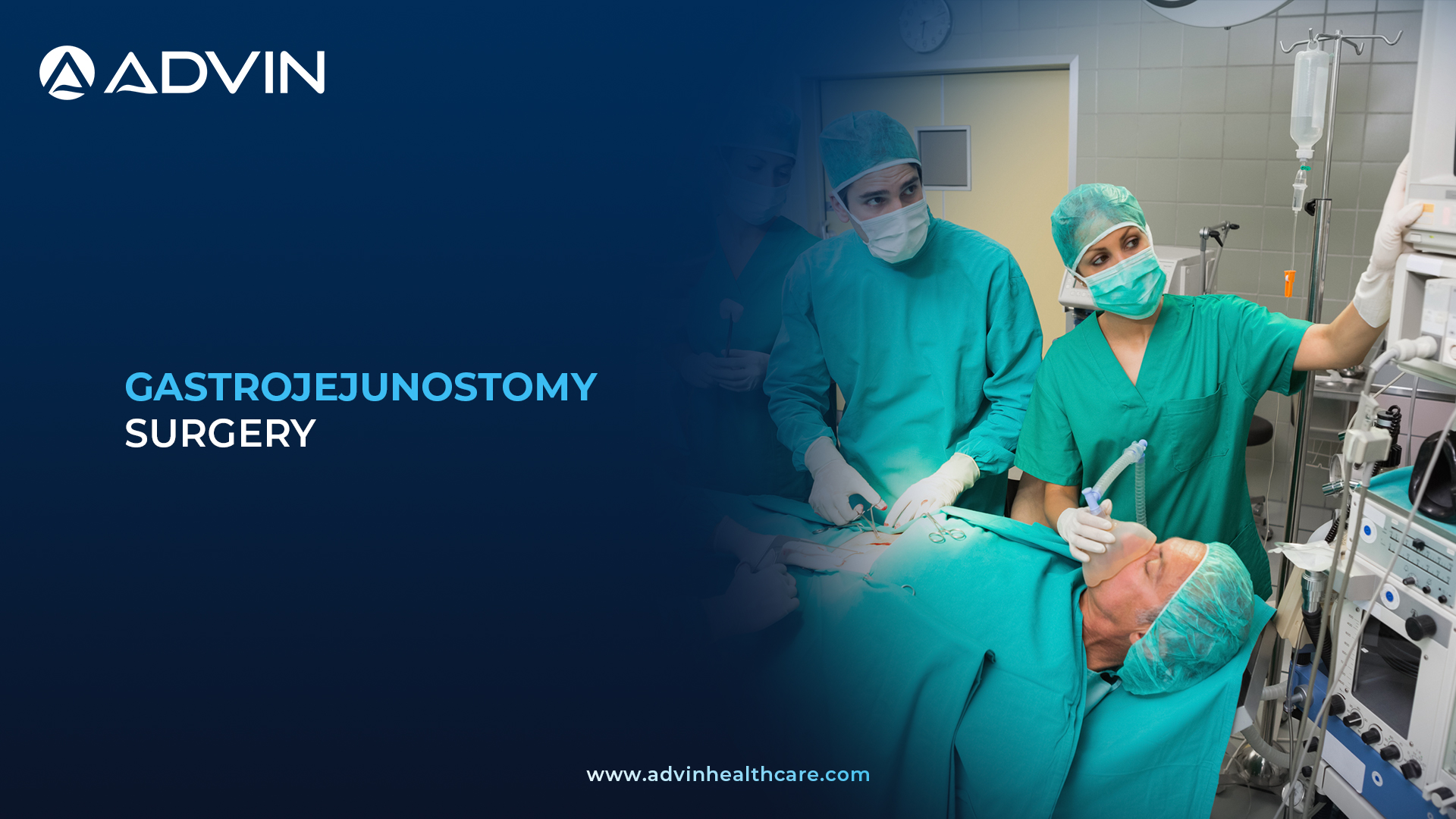
Understanding Gastrojejunostomy - A Surgical Bypass for Gastric Obstruction
Simplifying the Gastrojejunostomy Concept
Gastrojejunostomy is a surgical procedure that connects the stomach to the jejunum, a part of the small intestine. It is done to bypass a blocked or damaged part of the stomach or duodenum. This surgery helps improve digestion when the normal route is obstructed.
Bypassing Barriers – How Gastrojejunostomy is performed
Gastrojejunostomy is usually performed through open or laparoscopic surgery. A new connection (anastomosis) is made between the stomach and the jejunum, allowing food to pass directly into the mid-small intestine. This helps bypass tumors, ulcers, or other obstructions in the stomach or duodenum. Laparoscopic methods use trocars, graspers, electrosurgical units, and endoscopic staplers. Surgical sutures or staplers secure the new opening to prevent leaks. This procedure relieves symptoms like vomiting, nausea, and severe pain caused by gastric outlet obstruction.
When is Gastrojejunostomy Necessary?
- Gastric outlet obstruction due to stomach or duodenal cancer
- Chronic peptic ulcers causing narrowing of the duodenum
- Benign gastric strictures or scarring
- Palliative care for unresectable gastrointestinal malignancies
Key Devices in the Procedure
- Nasogastric Tube (NG Tube)
- Feeding Jejunostomy Tube (FJT)
- Endoscopic Ultrasound (EUS) System
- Guidewire (Hydrophilic or Nitinol)
- Endoscopic Needle Knife / Cystotome
- Balloon Dilator
- Lumen-Apposing Metal Stent (LAMS)
- Hemoclip / Endoscopic Clip
- Endoscopic Irrigation Pump
- CO₂ Insufflator with Tubing Set
Pre-Surgical Patient Evaluation
Patients undergoing gastrojejunostomy require careful evaluation before surgery. Imaging tests like CT scan or endoscopy help confirm the obstruction site. Nutritional status is reviewed, as many patients are malnourished and may need support. Comorbid conditions such as diabetes or heart disease are assessed and managed. Basic blood tests and performance scores guide the surgical approach. This ensures safe and individualized treatment planning.
Countries Advancing GI Bypass Techniques
- United States
- India
- Japan
- Germany
- South Korea
Advantages of Gastrojejunostomy Surgery
- Restores ability to eat and digest normally
- Relieves symptoms of gastric obstruction
- Minimally invasive options allow quicker recovery
- Can be used as a palliative treatment in cancer cases
- Improves nutritional intake and overall quality of life
Advin Health Care is a leading manufacturer and global supplier of Gastrojejunostomy-related endoscopy and surgical products, offering innovative solutions for gastrointestinal procedures.
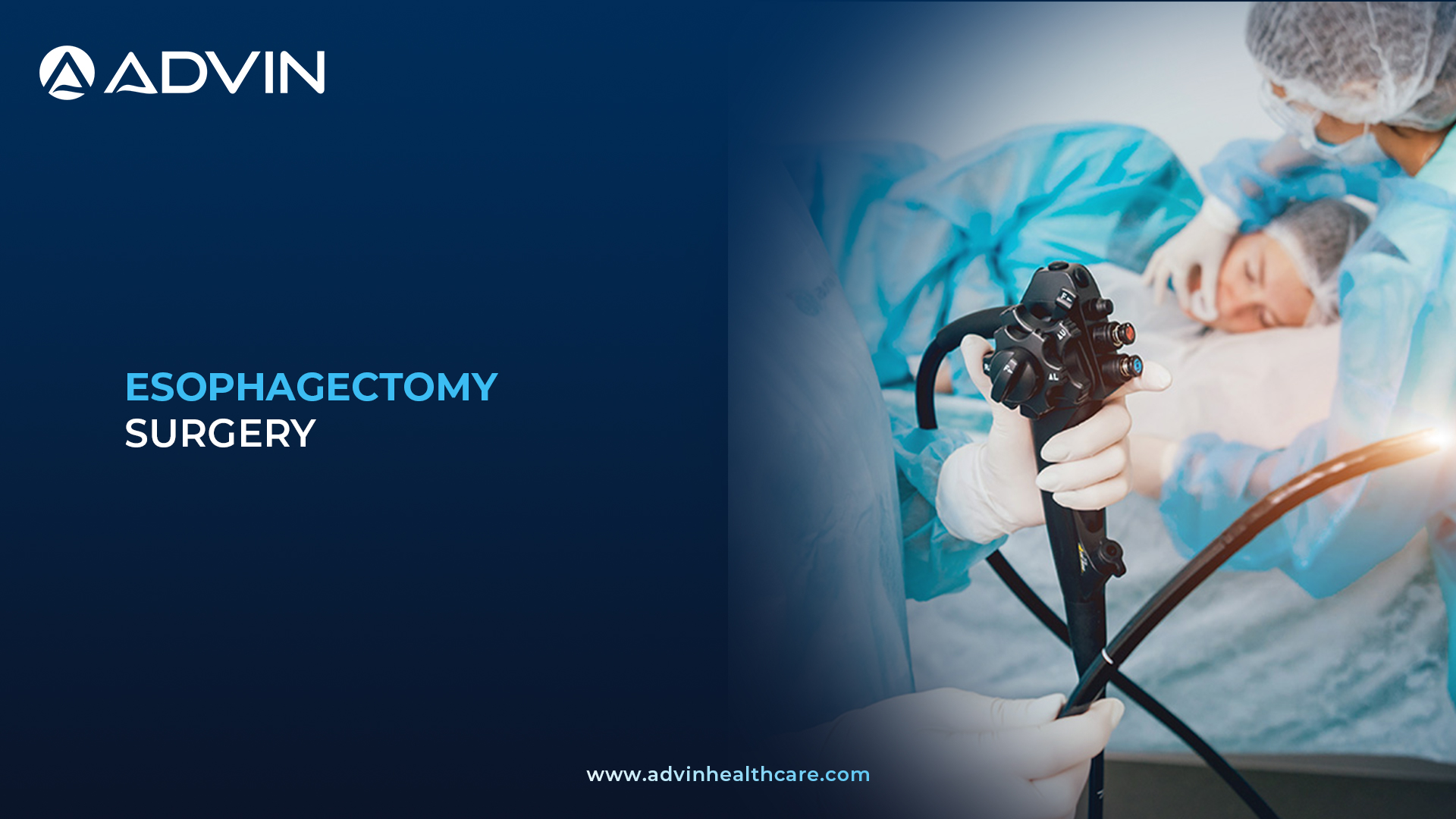
Understanding Esophagectomy - Procedure, Purpose & Progress
Understanding Esophagectomy
Esophagectomy is a surgical procedure to remove part or all of the esophagus. It is mostly performed to treat esophageal cancer or severe damage from other diseases. The remaining part of the digestive tract is reconnected to allow food to pass from the throat to the stomach or intestine.
Inside the Operation – How Esophagectomy Is Performed
Esophagectomy is usually done under general anesthesia, using either an open or minimally invasive approach. The surgeon accesses the esophagus through incisions in the neck, chest, or abdomen, depending on the disease location. A portion or the entire esophagus is removed along with surrounding lymph nodes. The stomach or a section of the intestine is then pulled up and connected to the remaining esophagus or throat to restore the digestive pathway. Tools like thoracoscopes, surgical staplers, and energy devices are commonly used. The surgery improves outcomes in patients with cancer, severe strictures, or non-functioning esophageal segments.
Why It’s Done?
- To treat esophageal cancer that has not spread extensively
- To manage Barrett’s esophagus with high-grade dysplasia
- For severe trauma or strictures unresponsive to endoscopic treatment
- In cases of advanced achalasia or end-stage motility disorders
Key Surgical Instruments for Esophagectomy
- Esophageal Stent
- Endoscopic Ultrasound (EUS) Scope
- Endoscopic Clipping Device
- Endoscopic Injection Needle
- Sclerotherapy Needle
- Hemoclip Applicator
- Endoscopic Electrosurgical Generator
- Nasojejunal Feeding Tube
- Balloon Dilator for Esophageal Stricture
- Mouth Guard for Endoscopy
Countries Where Esophagectomy Is Most Common
- United States
- China
- Japan
- Germany
- United Kingdom
Advantages of Esophagectomy Surgery
- Provides curative treatment for early-stage esophageal cancer
- Helps relieve severe swallowing difficulties
- Improves survival in selected patients with advanced disease
- Enables removal of diseased tissues and lymph nodes
- Allows restoration of digestive continuity using stomach or intestine
Recent Advances in Esophagectomy
Modern esophagectomy techniques have significantly improved patient outcomes. Minimally Invasive Esophagectomy (MIE) uses small incisions and endoscopic tools, reducing recovery time and complications. Robotic-assisted surgery offers greater precision and control for complex cases. Enhanced imaging, such as intraoperative fluorescence, helps ensure clear tumor margins. Newer anastomosis techniques lower the risk of leakage at the surgical join. These advances make the procedure safer, more effective, and more widely accessible.
Advin Health Care is a trusted manufacturer of Esophagectomy-related surgical instruments, offering a wide range of precision tools used in minimally invasive and open thoracoabdominal surgeries.