


Surgical Management of Atrial Fibrillation - Understanding the Maze Procedure
Maze Procedure Introduction
The Maze Procedure is a heart surgery used to treat atrial fibrillation, a type of irregular heartbeat. It creates small scar lines in the heart’s upper chambers to block abnormal electrical signals. This helps restore a normal heart rhythm and improves heart function.
Creating a Clear Path for Normal Heart Rhythm
The Maze Procedure is performed by creating a controlled pattern of scar tissue in the atria to interrupt faulty electrical pathways that cause atrial fibrillation (AF). This is typically done during open-heart surgery using a scalpel (traditional method), or with newer techniques involving radiofrequency ablation or cryoablation. The procedure requires precise mapping and tools such as ablation probes, surgical scissors, and electrosurgical units. Surgeons create lines of scar tissue in a “maze-like” pattern, guiding electrical signals through a controlled path. This ensures that electrical impulses travel only through healthy tissue, promoting consistent heart rhythms. The Maze Procedure is often done alongside other cardiac surgeries like valve repair or coronary bypass.
Why it’s done?
- To treat persistent or drug-resistant atrial fibrillation
- To reduce the risk of stroke caused by irregular heartbeats
- To improve heart efficiency and reduce symptoms like palpitations or fatigue
- To restore sinus rhythm in patients undergoing other heart surgeries
Products Related to Maze Procedure
- Radiofrequency Ablation System
- Cryoablation Probe
- Surgical Scissors
- Electrosurgical Unit
- Mapping System for Atrial Electrophysiology
- Epicardial or Endocardial Clamp
- Cardiopulmonary Bypass Machine
- Sternal Retractor
- Atrial Retractor
- TEE (Transesophageal Echocardiography) Probe
Top 5 Countries of Maze Procedure
- United States
- Germany
- Japan
- United Kingdom
- India
Maze Procedure Benefits
- Effectively restores normal heart rhythm in patients with atrial fibrillation
- Reduces long-term dependence on antiarrhythmic drugs
- Significantly lowers the risk of AF-related stroke
- Improves exercise tolerance and overall heart performance
- Offers durable, long-term results when done correctly
Advin Health Care is a leading manufacturer of Maze Procedure related products, supplying innovative and precise cardiac surgical tools trusted by heart surgeons worldwide.

Expert Overview of ASD/VSD Closure Surgery in Heart Care
ASD/VSD Closure Introduction
ASD (Atrial Septal Defect) and VSD (Ventricular Septal Defect) are holes in the walls separating the heart chambers. Closure surgery repairs these defects to stop abnormal blood flow between the heart chambers. This helps the heart work better and prevents complications like heart failure or lung damage.
Precision Repair of Heart Septal Defects
ASD/VSD closure is a specialized cardiac procedure used to seal abnormal openings between heart chambers. It can be done through open-heart surgery or a minimally invasive catheter-based technique called device closure. In the catheter method, a small device is inserted through a vein and guided to the heart using imaging tools. Once in place, the device expands to seal the hole permanently. Tools used in this procedure include a delivery sheath, occluder device, guidewire, and fluoroscopy or echocardiographic imaging. The surgery helps normalize blood circulation in the heart and lowers the risk of pulmonary hypertension, stroke, or arrhythmia.
Why it’s done?
- To treat congenital heart defects that cause abnormal blood flow in the heart
- To prevent heart enlargement and long-term heart damage
- To reduce the risk of stroke due to blood clots passing through the defect
- To improve oxygen delivery and reduce shortness of breath or fatigue
Products Related to ASD/VSD Closure
- Guidewire
- Catheter
- Introducer Set
- Hemostatic Valve
- ASD Occluder Device
- VSD Occluder Device
- Delivery Sheath System
- Fluoroscopy Machine
- Transesophageal Echocardiography (TEE) Probe
- Snare Retrieval Device
Top 5 Countries of ASD/VSD Closure
- United States
- India
- Germany
- China
- United Kingdom
ASD/VSD Closure Benefits
- Restores normal blood flow between heart chambers
- Prevents heart failure and other long-term heart complications
- Reduces the need for lifelong medication or repeated interventions
- Enables children with congenital defects to grow and develop normally
- Minimally invasive options reduce hospital stay and recovery time
Advin Health Care is a leading manufacturer of ASD/VSD Closure related products, providing high-quality devices and instruments used by cardiologists worldwide.
Heart Transplantation - A Life-Saving Surgical Solution in Cardiology
Heart Transplantation Introduction:
Heart transplantation is a surgery where a damaged or failing heart is replaced with a healthy donor heart. It is usually done when other treatments no longer work for heart failure. Patients must go through a detailed evaluation before being placed on a transplant waiting list.
Precision Procedure for Replacing a Failing Heart
During heart transplantation, the patient is placed under general anesthesia, and a heart-lung machine keeps blood flowing throughout the body. The surgeon removes the diseased heart, leaving part of the atria and main vessels intact. The donor heart is then carefully sewn into place and connected to the blood vessels. The new heart is restarted either with electric shocks or on its own. Special surgical instruments like vascular clamps, sternal saws, and cardioplegia systems are used. The surgery restores heart function and can greatly improve the patient’s quality of life.
Why it’s done?
- For patients with end-stage heart failure unresponsive to medication or other surgeries
- Severe coronary artery disease that cannot be treated with bypass or angioplasty
- Life-threatening heart rhythm disorders that don’t improve with treatment
- Certain congenital heart defects in children or adults that cannot be repaired with other procedures
Products Related to Heart Transplantation:
- Cardioplegia Delivery System
- Heart-Lung Machine
- Sternal Saw
- Vascular Clamps
- Aortic Cross-Clamp
- Surgical Retractor Set
- Sutures (Non-absorbable)
- Sterile Drapes and Gowns
- Cannulas (Venous and Arterial)
- Hemostatic Agents
Top 5 Countries of Heart Transplantation:
- United States
- Germany
- France
- United Kingdom
- India
Heart Transplantation Benefits:
- Significantly increases life expectancy in patients with advanced heart failure
- Improves heart function and blood circulation throughout the body
- Reduces symptoms like fatigue, shortness of breath, and swelling
- Enhances the patient’s ability to perform daily activities and exercise
- Offers a better quality of life with fewer hospitalizations
- Advin Health Care is a leading manufacturer of heart transplantation related products, offering reliable and high-quality surgical tools and devices.
Pericardiectomy - Surgical Solution for Pericardial Disorders
Pericardiectomy Introduction
Pericardiectomy is a surgical procedure to remove part or all of the pericardium, the sac surrounding the heart. This surgery is usually done when the pericardium becomes thickened or inflamed, causing pressure on the heart. It helps the heart beat more freely and improves blood flow.
Surgical Relief from Pericardial Constriction
Pericardiectomy is usually performed under general anesthesia using an open-chest or minimally invasive approach. Surgeons often make an incision through the sternum or between the ribs to reach the pericardium. Specialized instruments like pericardial scissors, forceps, and retractors are used to carefully remove the diseased pericardial tissue. In many cases, the entire pericardium is removed, especially if it is calcified or causing constriction. The heart is monitored closely during the procedure to maintain stable rhythms and circulation. This surgery helps improve heart function by relieving the pressure that restricts normal cardiac movement.
Why it’s done?
- To treat constrictive pericarditis, where the pericardium becomes stiff and restricts heart function
- When pericardial effusion leads to recurring tamponade or fluid buildup that doesn’t respond to other treatments
- To manage chronic infections or inflammation of the pericardium not responding to medication
- For cases of pericardial calcification causing long-term heart failure symptoms
Products Related to Pericardiectomy
- Pericardial Scissors
- Rib Retractor
- Sternum Saw
- Surgical Forceps
- Pericardial Ruler
- Cardiopulmonary Bypass Machine
- Electrocautery Unit
- Surgical Suction Device
- Chest Tube Drainage System
- Sternal Wires
Top 5 Countries of Pericardiectomy
- United States
- India
- Germany
- Japan
- Brazil
Pericardiectomy Benefits
- Improves heart filling and cardiac output in patients with constrictive pericarditis
- Reduces symptoms like fatigue, swelling, and shortness of breath
- Prevents complications like cardiac tamponade and chronic heart failure
- Increases long-term survival in properly selected patients
- Enhances quality of life by relieving chest pressure and improving exercise tolerance
Advin Health Care is a leading manufacturer of Pericardiectomy-related products, offering precision surgical tools and equipment for cardiac procedures.
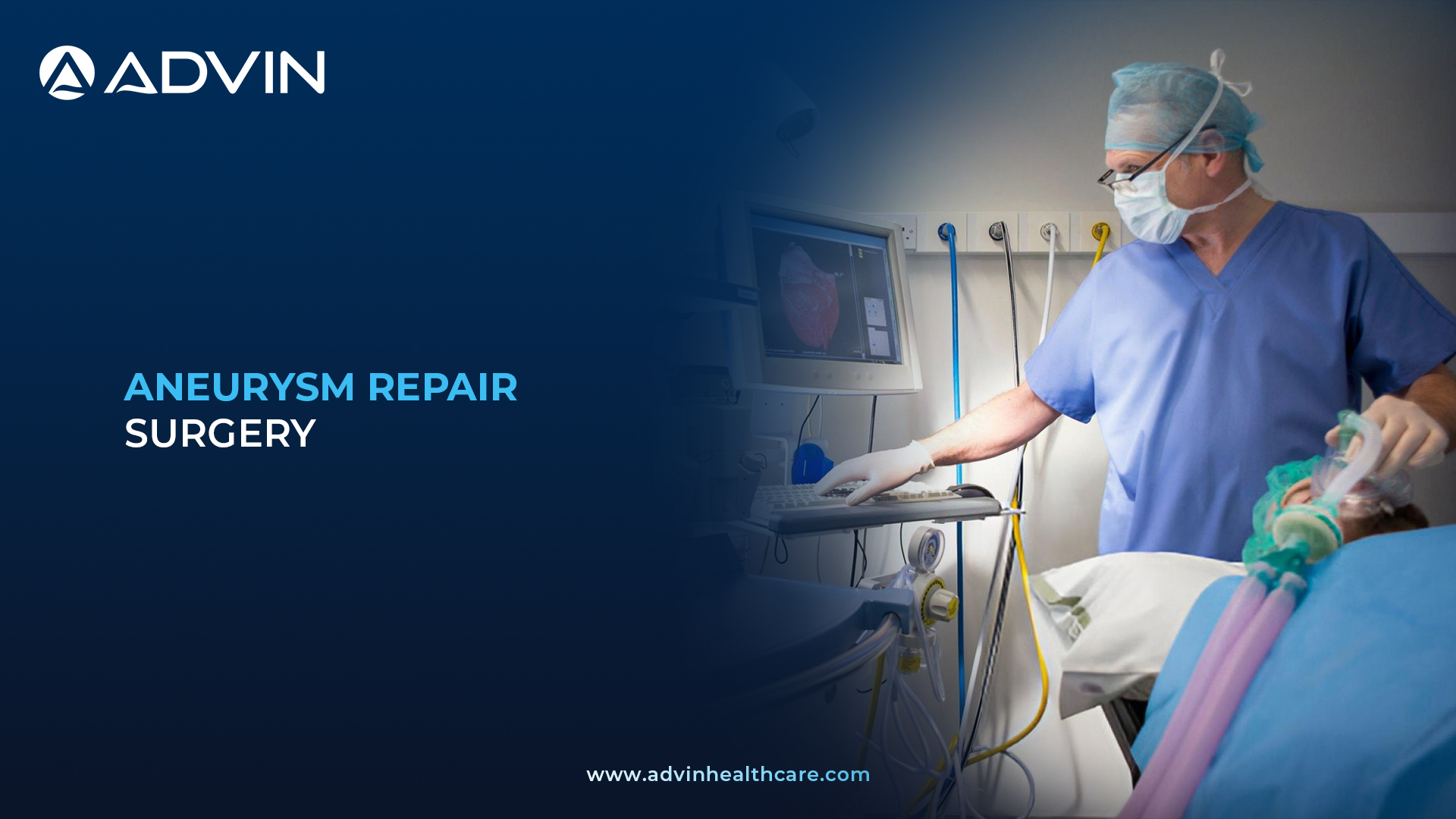
Understanding Aneurysm Repair - Cardiology’s Lifesaving Procedure
Aneurysm Repair Introduction
Aneurysm repair is a surgical procedure used to fix a weakened and bulging section of an artery. It is most commonly done in the aorta, the largest artery in the body. The surgery helps prevent the aneurysm from bursting, which can be life-threatening.
Precision in Artery Strengthening: Aneurysm Repair Process
Aneurysm repair involves either open surgery or a minimally invasive technique called endovascular aneurysm repair (EVAR). In open surgery, the damaged artery section is replaced with a synthetic graft. EVAR uses a catheter to place a stent graft inside the artery through small incisions. Tools such as catheters, guidewires, imaging equipment, and stent grafts are essential for this procedure. Surgeons use fluoroscopy to guide the stent graft accurately into place. This repair strengthens the artery and restores normal blood flow.
Why it’s done?
- To prevent rupture of aortic or arterial aneurysms, which can cause internal bleeding and death.
- To treat abdominal or thoracic aortic aneurysms that have grown beyond a safe size.
- To relieve symptoms such as chest or abdominal pain caused by pressure from the aneurysm.
- To manage aneurysms discovered incidentally on imaging that show rapid growth or high risk of rupture.
Products Related to Aneurysm Repair
- Balloon Catheter
- Vascular Graft
- Guidewire
- Introducer Sheath
- Aortic Stent Graft
- Catheter Delivery System
- Contrast Media Injector
- Fluoroscopy Imaging Equipment
- Aneurysm Clips (for adjunct procedures)
- Surgical Sutures (for open repair)
Top 5 Countries of Aneurysm Repair
- United States
- Germany
- Japan
- United Kingdom
- Canada
Aneurysm Repair Benefits
- Prevents potentially fatal rupture of an aneurysm.
- Restores normal blood flow through the affected artery.
- Reduces long-term complications from untreated aneurysms.
- Improves quality of life by relieving aneurysm-related symptoms.
- Enables faster recovery in minimally invasive procedures like EVAR.
Advin Health Care is a leading manufacturer of Aneurysm Repair related products, offering high-quality tools and equipment used in cardiovascular surgeries globally.
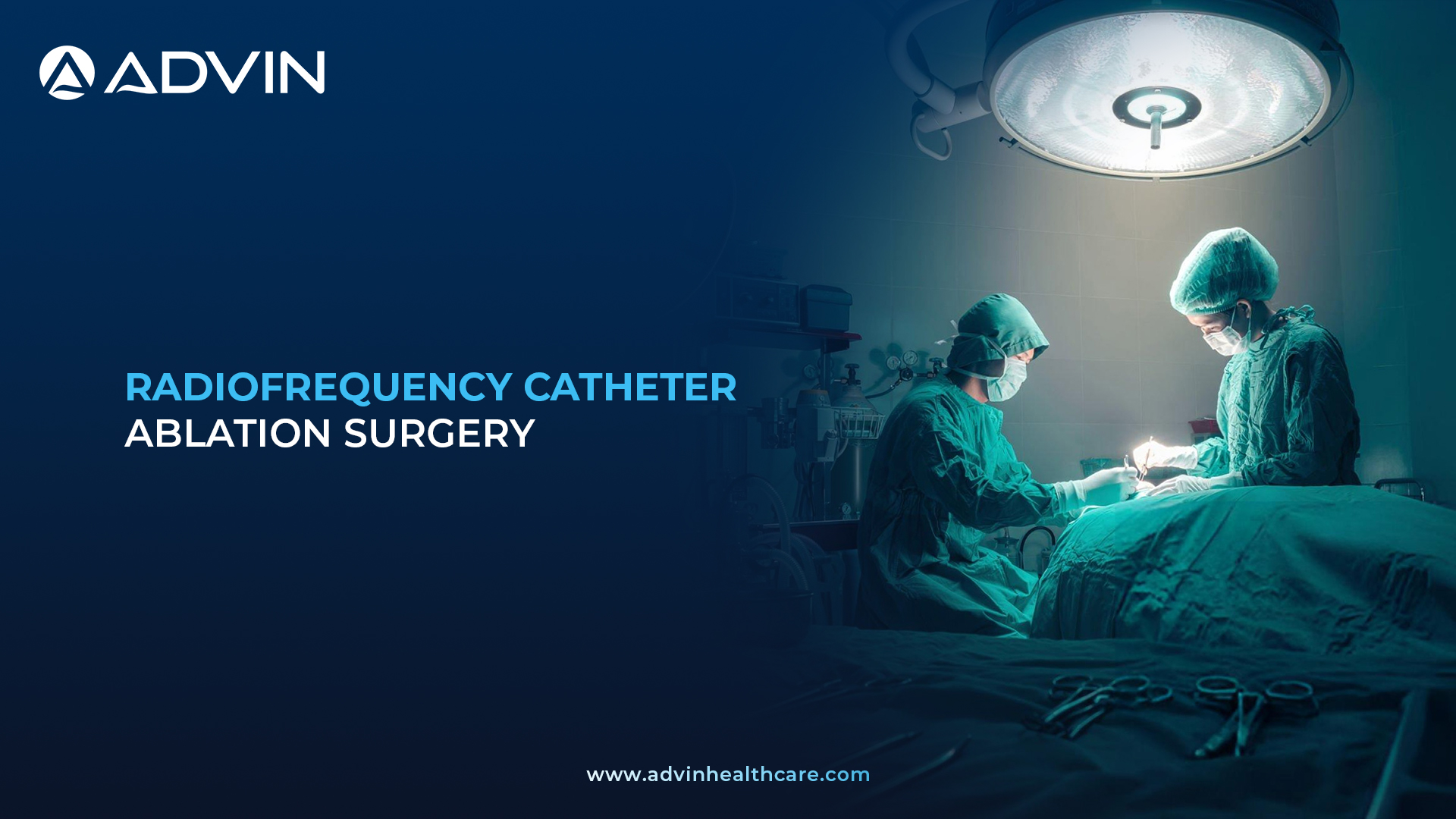
Radiofrequency Catheter Ablation - A Complete Guide for Cardiology Applications
Radiofrequency Catheter Ablation Introduction
Radiofrequency Catheter Ablation is a procedure used to treat certain types of abnormal heart rhythms. It works by sending energy through a thin tube (catheter) to destroy small areas of heart tissue that cause the irregular heartbeat. This procedure is minimally invasive and usually done in a hospital’s electrophysiology lab.
Precision Heat Therapy for Heart Rhythm Disorders
During Radiofrequency Catheter Ablation, a doctor inserts a catheter through a blood vessel, usually in the groin, and guides it into the heart. Once the catheter reaches the area causing the abnormal rhythm, it delivers radiofrequency energy to heat and destroy the faulty tissue. The procedure is guided by advanced imaging systems such as fluoroscopy and 3D mapping. Specialized catheters and electrophysiology monitors help identify the exact area responsible for the arrhythmia. Local aesthesia and sometimes mild sedation are used to keep the patient comfortable. This technique helps restore normal heart rhythm and reduces the need for long-term medication.
Why it’s done?
- To treat supraventricular tachycardia (SVT), which causes abnormally fast heartbeats.
- For patients with atrial fibrillation (AFib) who do not respond to medications.
- To manage ventricular tachycardia, a potentially life-threatening condition.
- When other treatments like medications or cardioversion fail or cause side effects.
Products Related to Radiofrequency Catheter Ablation
- RF Ablation Catheter
- Electrophysiology Mapping System
- Introducer Sheath
- RF Generator
- 3D Cardiac Mapping System
- Diagnostic EP Catheter
- Irrigated Tip Ablation Catheter
- Ablation Control Unit
- Intracardiac Echocardiography (ICE) Catheter
- Sterile Drape Kit for EP Procedures
Top 5 Countries of Radiofrequency Catheter Ablation
- United States
- Germany
- Japan
- United Kingdom
- India
Radiofrequency Catheter Ablation Benefits
- Provides long-term relief from arrhythmias without daily medication.
- Minimally invasive with faster recovery compared to open-heart surgery.
- Reduces the risk of stroke in certain arrhythmia patients.
- Improves overall heart function and patient quality of life.
- Significantly lowers the chance of emergency hospital visits for rhythm issues.
Advin Health Care is a leading manufacturer of Radiofrequency Catheter Ablation related products, providing reliable and innovative tools for cardiology procedures.
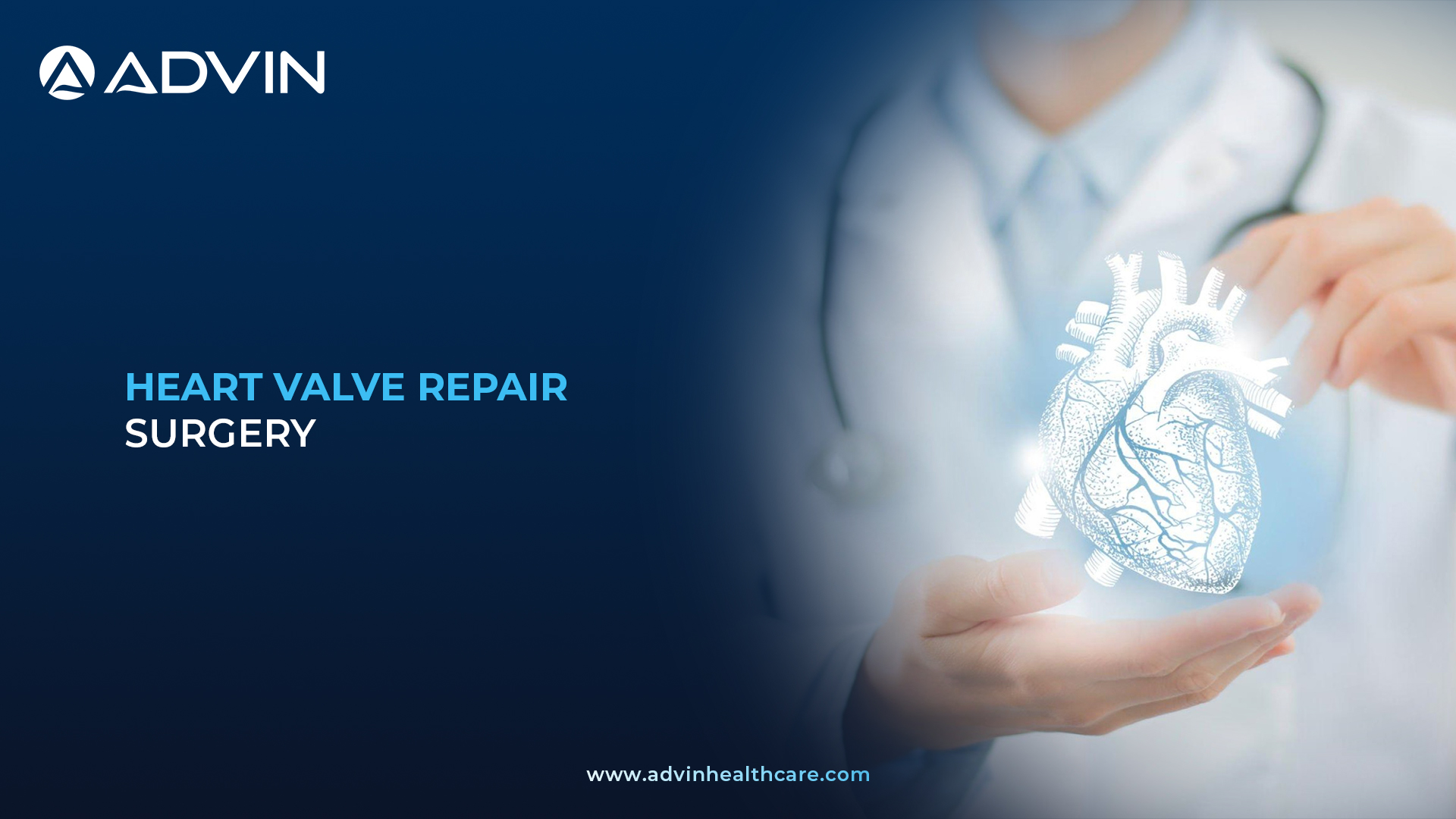
Precision in Cardiac Care - Heart Valve Repair Surgery Explained
Heart Valve Repair Surgery Introduction
Heart valve repair surgery is done to fix one or more of the heart’s valves that are not working properly. It helps restore normal blood flow by repairing damaged or faulty valve tissue. This surgery is often chosen over valve replacement when the natural valve can be preserved.
Precision Repair: Techniques in Heart Valve Surgery
Heart valve repair is typically performed through open-heart surgery or minimally invasive methods, depending on the patient’s condition. Surgeons may use specialized instruments such as annuloplasty rings, clips, or patches to reshape or support the valve. Common procedures include tightening the valve opening or repairing flaps (leaflets) that do not close properly. In minimally invasive approaches, small incisions and robotic tools reduce recovery time. The heart-lung machine is often used to take over circulation while the heart is still during the procedure. This surgery helps the heart pump blood more efficiently and can prevent long-term damage.
Why it’s done?
- To treat valve regurgitation (leaky valve causing blood to flow backward).
- To correct valve stenosis (narrowed valve restricting blood flow).
- To relieve symptoms like fatigue, shortness of breath, and chest pain.
- To prevent heart failure or reduce the risk of sudden cardiac death.
- To repair congenital valve defects or damage from infection (endocarditis).
Products Related to Heart Valve Repair Surgery
- Annuloplasty Rings
- Mitral Valve Clips
- Cardiopulmonary Bypass Machine
- Valve Retractors
- Surgical Sutures
- Heart Valve Repair Patches
- Robotic Surgical Instruments
- Valve Measuring Devices
- TEE (Transesophageal Echocardiography) Probes
- Cardioplegia Solution Delivery Systems
Top 5 Countries of Heart Valve Repair Surgery
- United States
- Germany
- Japan
- United Kingdom
- France
Heart Valve Repair Surgery Benefits
- Preserves the patient’s natural valve, reducing the need for lifelong medication.
- Improves heart function and overall quality of life.
- Reduces the risk of stroke and other heart-related complications.
- Typically has better long-term outcomes than valve replacement.
- Lowers the risk of infection compared to artificial valve implants.
- Faster recovery when done with minimally invasive techniques.
Advin Health Care is a leading manufacturer of Heart Valve Repair Surgery related products, offering advanced tools and solutions for cardiovascular procedures.
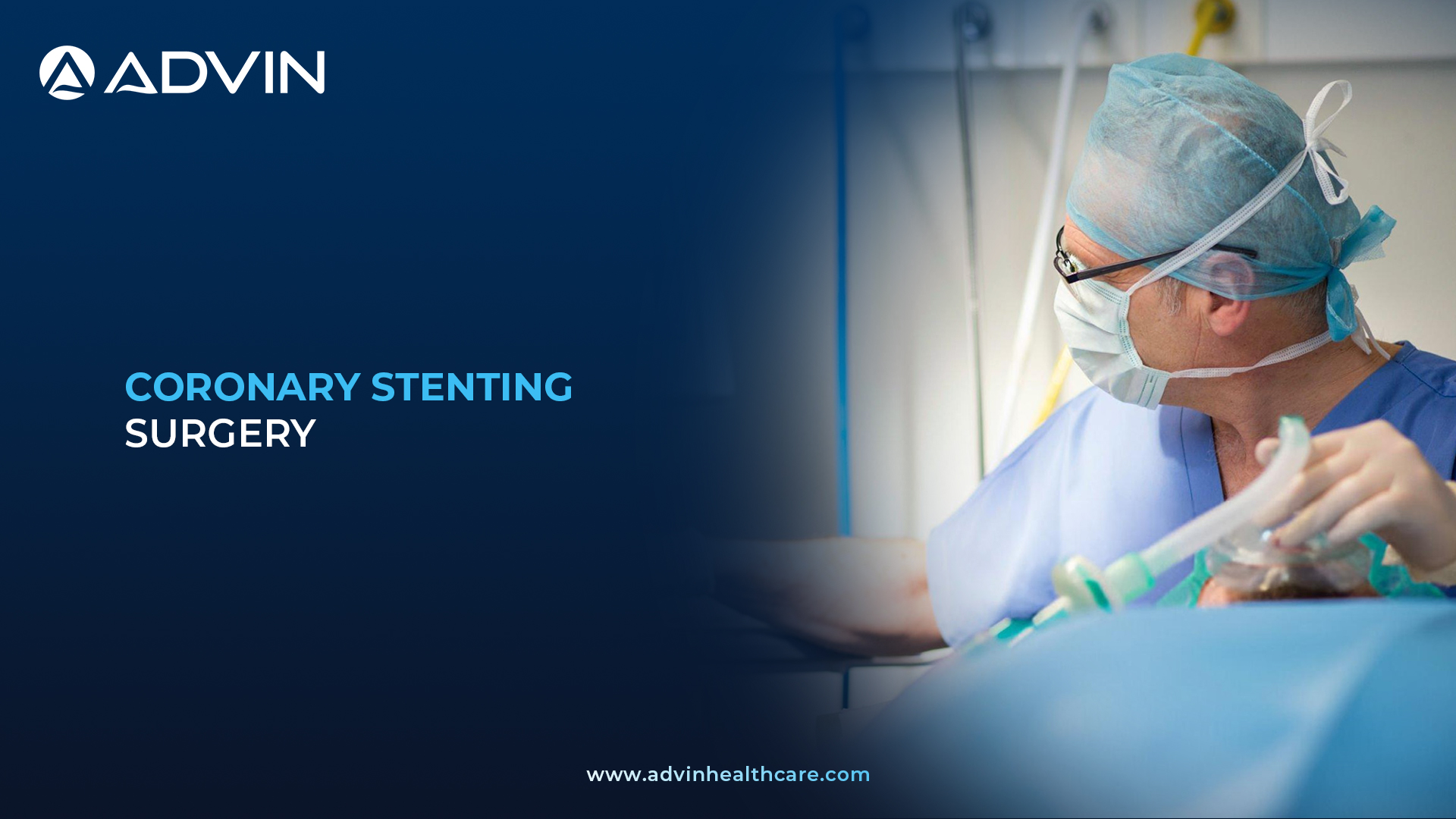
Coronary Stenting - A Life-Saving Cardiology Procedure
Coronary Stenting Introduction
Coronary stenting is a procedure to open narrowed or blocked heart arteries. A small mesh tube called a stent is placed inside the artery to keep it open. This helps improve blood flow to the heart muscle and reduces chest pain.
How Coronary Stenting Works
During coronary stenting, a thin, flexible tube called a catheter is inserted through a blood vessel, usually in the groin or wrist, and guided to the blocked artery. A tiny balloon at the catheter’s tip is inflated to widen the artery, and the stent expands to hold the artery open. The stent stays in place permanently, supporting the artery walls. Specialized imaging tools like fluoroscopy help doctors see inside the arteries during the procedure. The stents are often coated with medicine to prevent artery narrowing again. This minimally invasive technique avoids the need for open-heart surgery and speeds recovery.
Why It’s Done?
- To treat coronary artery disease causing chest pain (angina).
- To restore blood flow after a heart attack.
- To prevent artery blockage from worsening.
- To improve heart function and reduce risk of heart failure.
Products Related to Coronary Stenting
- Balloon catheters
- Drug-eluting stents
- Bare-metal stents
- Guidewires
- Angioplasty balloons
- Stent delivery systems
- Contrast dye
- Imaging equipment (fluoroscopy machines)
- Hemostatic devices
- Anticoagulant medications
Top 5 Countries of Coronary Stenting
- United States
- Germany
- Japan
- South Korea
- Brazil
Coronary Stenting Benefits
- Reduces chest pain by improving blood flow.
- Lowers the chance of future heart attacks.
- Shortens hospital stay compared to surgery.
- Allows faster recovery and return to daily activities.
- Minimizes damage to the heart muscle during blockages.
Advin Health Care is a leading manufacturer of coronary stenting related products, ensuring high-quality tools for safe and effective procedures.
Heart Valve Replacement Surgery - A Life-Saving Cardiac Innovation
Heart Valve Replacement Surgery Introduction
Heart valve replacement surgery is a procedure to replace a damaged or diseased heart valve with a new one. It is usually done when the valve doesn’t open or close properly, affecting blood flow. This surgery helps the heart pump blood more effectively to the rest of the body.
Precision Valve Replacement: A Step Toward a Healthier Heart
During heart valve replacement surgery, the chest is opened to access the heart, and the damaged valve is carefully removed. A new valve—either mechanical or biological—is sewn into place using fine surgical sutures. The procedure is often done using open-heart surgery or, in some cases, a less invasive method called TAVR (Transcatheter Aortic Valve Replacement). Surgeons use specialized instruments like valve sizers, cannulas, cardioplegia delivery systems, and heart-lung machines. The heart is usually stopped temporarily and supported by a machine to allow precise placement of the new valve. This surgery significantly improves blood flow, reduces symptoms like fatigue and breathlessness, and prevents long-term heart failure.
Why it’s done?
- Severe valve stenosis that restricts blood flow through the heart.
- Valve regurgitation causing blood to leak backward into the heart chambers.
- Infections such as infective endocarditis that damage the valve tissue.
- Congenital heart valve defects present from birth.
- Degenerative valve disease due to aging or wear and tear.
Products Related to Heart Valve Replacement Surgery
- Mechanical Heart Valve
- Bioprosthetic (Tissue) Heart Valve
- Heart Valve Sizer Set
- Cardioplegia Delivery System
- Heart-Lung Machine
- Surgical Sutures for Valve Implantation
- Valve Retractor
- Cannula for Cardiopulmonary Bypass
- Annuloplasty Rings (for combined repairs)
- TAVR Delivery System
Top 5 Countries of Heart Valve Replacement Surgery
- United States
- Germany
- India
- United Kingdom
- Japan
Heart Valve Replacement Surgery Benefits
- Restores normal blood flow and heart function.
- Reduces symptoms such as chest pain, fatigue, and shortness of breath.
- Lowers the risk of stroke and heart failure.
- Enhances patient survival and long-term quality of life.
- Enables many patients to return to normal physical activities.
Advin Health Care is a leading manufacturer of Heart Valve Replacement Surgery related products, providing innovative and reliable tools for cardiac procedures worldwide.
A Complete Guide to Coronary Artery Bypass Grafting (CABG) Surgery
Coronary Artery Bypass Grafting (CABG) Introduction
Coronary Artery Bypass Grafting (CABG) is a type of heart surgery used to improve blood flow to the heart. It is done when the arteries that supply blood to the heart muscle become blocked or narrowed. In this procedure, a healthy blood vessel is taken from another part of the body and used to bypass the blocked artery.
Restoring Heart Blood Flow Through Bypass Grafting
During CABG, the surgeon creates a new path for blood to reach the heart muscle by grafting a healthy artery or vein. The most common vessels used for grafting are the internal mammary artery and the saphenous vein from the leg. The surgery is usually performed through a chest incision while the patient is under general anesthesia. In most cases, a heart-lung machine is used to take over the function of the heart and lungs during the procedure. Some newer techniques allow the surgery to be done on a beating heart without the machine. CABG significantly improves blood circulation, reduces chest pain, and lowers the risk of heart attacks.
Why it’s done?
- Severe narrowing or blockage in the coronary arteries (due to coronary artery disease)
- Persistent angina (chest pain) that doesn’t improve with medication or lifestyle changes
- Left main coronary artery disease, which can be life-threatening if untreated
- Multiple blocked arteries causing reduced heart function or heart failure
- Emergency treatment during or after a heart attack when other options fail
Essential Surgical Tools & Devices for CABG
- Heart-lung machine (Cardiopulmonary bypass machine)
- Arterial cannula
- Venous cannula
- Saphenous vein harvesting set
- Chest retractor (Sternal retractor)
- Cardioplegia delivery system
- Internal mammary artery retractor
- Surgical sutures (vascular graft sutures)
- Coronary artery bypass grafts (vascular grafts)
- Electro cautery device
Top 5 Countries of Coronary Artery Bypass Grafting (CABG)
- United States
- India
- Germany
- United Kingdom
- Canada
Coronary Artery Bypass Grafting (CABG) Benefits
- Improves blood flow to the heart muscle and restores normal oxygen supply
- Reduces the risk of heart attacks in patients with severe artery blockage
- Increases life expectancy in patients with critical coronary artery disease
- Improves overall quality of life and exercise capacity
- Reduces the need for long-term medication or repeated angioplasty
- Offers long-term relief from symptoms like chest pain and shortness of breath
Advin Health Care is a leading manufacturer of Coronary Artery Bypass Grafting (CABG) related products, supporting cardiac surgeons with high-quality surgical tools and devices.