


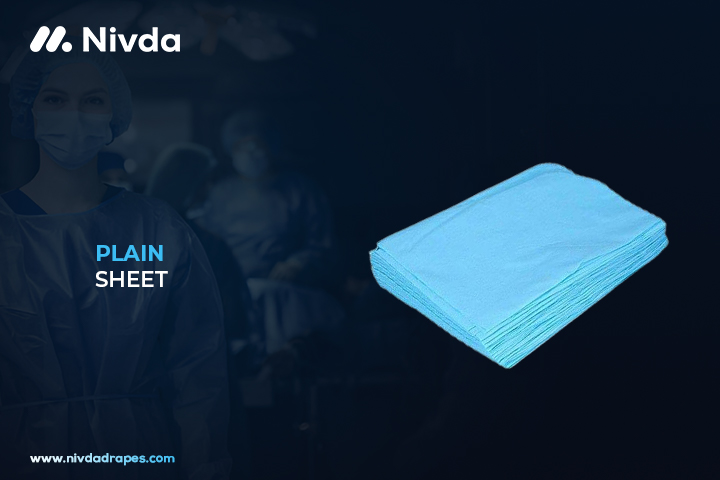
Cesarean Drape
Cesarean Drape
The Cesarean Drape is a sterile surgical drape used during C-section procedures to maintain a clean and safe environment. It covers the patient while allowing access to the surgical site. This drape helps reduce infection risk and keeps the surgical area isolated.
Product History
Cesarean Drapes have been used in hospitals for decades as part of efforts to improve surgical hygiene. Over time, the design has evolved to include fluid control features and improved materials. Manufacturers like NIVDA have contributed to better safety and ease of use in operating rooms. Today, Cesarean Drapes are essential in all modern obstetric surgeries.
Cesarean Drape – Secure, Sterile, and Designed for Every C-Section
NIVDA Drapes Cesarean Drapes are designed specifically for C-section procedures, offering full-body coverage and a surgical-grade fenestration area. These drapes are fluid-resistant and include pouch systems to collect bodily fluids during the operation. NIVDA Drapes are made from non-woven, breathable material to ensure patient comfort and safety. Their clear anaesthesia screen allows for visibility while maintaining a sterile field. The product is widely used in maternity wards and delivery units around the world.
Surgeries Related to Product
- Cesarean Section (C-Section)
- Emergency Cesarean Delivery
- Repeat Cesarean Surgery
- Low Transverse Cesarean Section
- Cesarean Hysterectomy (in special cases)
- Complicated Vaginal Delivery Conversion to C-Section
Instructions for Use
- Remove the sterile Cesarean Drape from its packaging using aseptic technique.
- Drape the patient by positioning the fenestration area over the surgical site.
- Secure the drape using adhesive strips to maintain position during surgery.
- Ensure fluid collection pouches are properly aligned and open.
- Dispose of the drape safely after the procedure, following hospital protocols.
Top 10 Countries of Surgeries
- India
- China
- United States
- Brazil
- Indonesia
- Russia
- Mexico
- Pakistan
- Nigeria
- Turkey
NIVDA Cesarean Drape Description
NIVDA Drapes is a leading manufacturer of Cesarean Drapes, providing high-quality surgical draping solutions trusted by hospitals and maternity clinics worldwide.

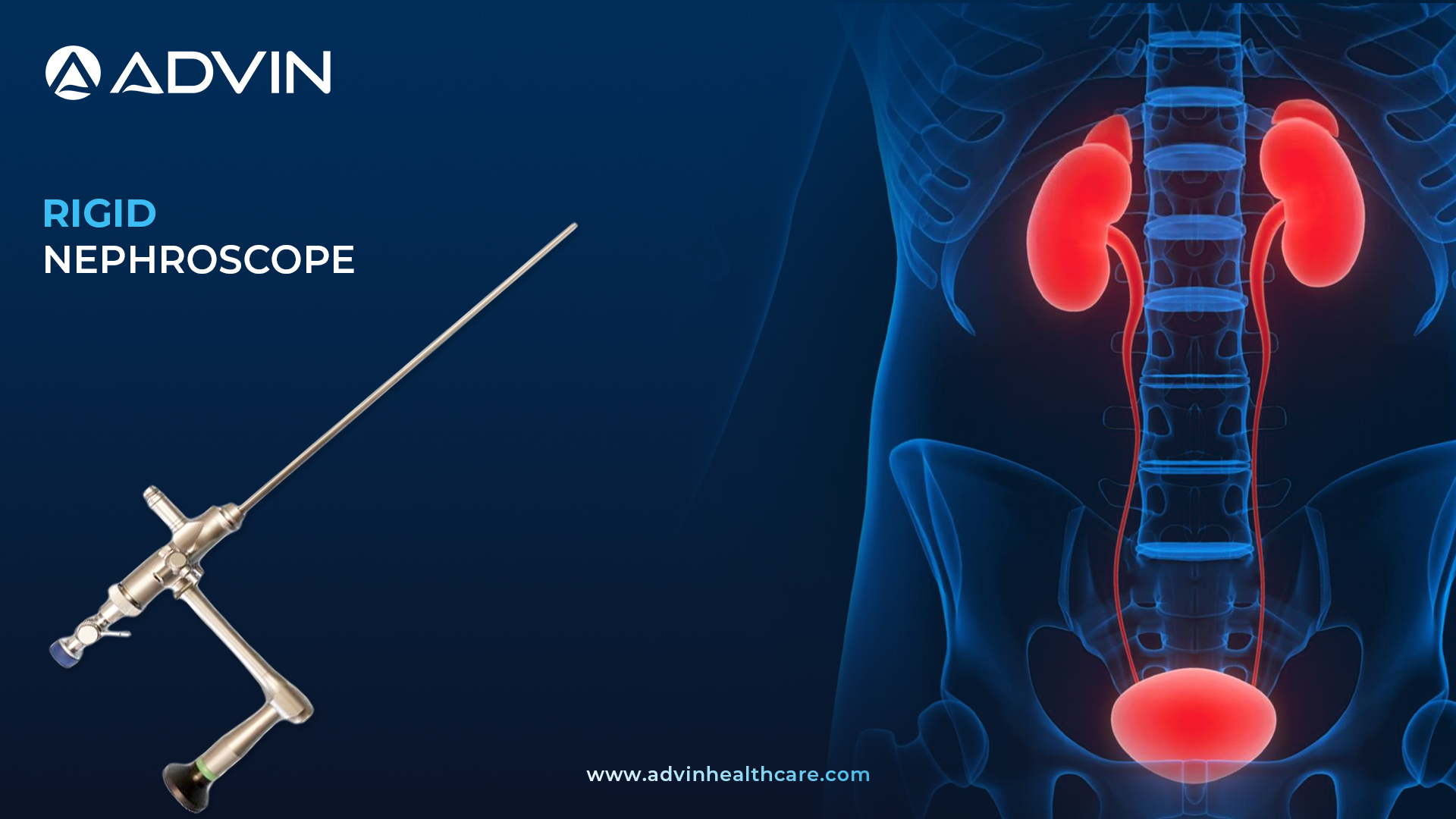
Rigid Nephroscope – Engineered for Accurate Navigation and Efficient Lithotripsy
Introduction to the Rigid Nephroscope: Direct Access for Precision Renal Surgery
A Rigid Nephroscope is a surgical instrument used to examine and treat conditions inside the kidney during percutaneous Nephrolithotomy (PCNL). It consists of a rigid telescope with a working channel to allow insertion of instruments. This scope provides clear visualization and access to kidney stones and other renal structures.
Technological Evolution of the Rigid Nephroscope: Advancing PCNL Efficiency
Rigid Nephroscope have evolved as a central tool in PCNL procedures since the 1980s. Initially developed for direct access to large kidney stones, the device has since been refined with improved optics, irrigation systems, and lightweight design. It has contributed significantly to reducing the need for open kidney surgeries. The rigid design continues to be favored for its stability, simplicity, and durability in complex renal procedures.
What is a Rigid Nephroscope? A Brief Overview for Clinical Applications
Advin Health Care offers premium-quality Rigid Nephroscope for effective use in PCNL and other kidney-related surgeries. The scope is designed with excellent optical clarity and a robust metallic body for consistent performance. It includes a working channel to accommodate instruments like forceps, laser fibers, and stone retrieval baskets. Advin Health Care ensures compatibility with standard camera and light source systems for efficient operation. The rigid nephroscope is ideal for removing large renal stones with minimal trauma.
Surgical Procedures Utilizing Rigid Nephroscope: Focused Access for Kidney Stone Removal
- Percutaneous Nephrolithotomy (PCNL)
- Kidney Stone Removal
- Renal Pelvic Mass Biopsy
- Intrarenal Foreign Body Extraction
How to Use a Rigid Nephroscope
- Sterilize the nephroscope before use
- Connect it to a compatible light source and camera system
- Insert through an access tract created via PCNL
- Use continuous irrigation for clear visibility
- Introduce instruments like graspers or baskets via the working channel
Market Trends & Demand: Rigid Nephroscope Usage in Modern Urological Surgery
The Rigid Nephroscope remains in high demand globally due to the growing prevalence of kidney stones, especially in countries with hot climates and high dehydration rates. PCNL is a gold-standard treatment for large renal calculi, and rigid nephroscope are essential for this minimally invasive technique. While flexible technologies are emerging, rigid nephroscope are still preferred for their cost-effectiveness, strong performance, and ease of use in developing healthcare systems. The global trend is toward integrating HD visualization and improving ergonomics for better outcomes.
Advin Rigid Nephroscope: Product Features, Optical Performance & Technical Specifications
- Advin Health Care is a leading manufacturer of Rigid Nephroscope, delivering robust, high-precision scopes for efficient and safe access to the kidney during PCNL and related urological surgeries.
- The Rigid Nephroscope by Advin Health Care is expertly engineered for precision, durability, and optimal visualization during Percutaneous Nephrolithotomy (PCNL) procedures. Designed for direct access to the renal pelvis and calyces, this instrument allows urologists to effectively treat large or complex kidney stones.
- Manufactured with high-grade stainless steel and rod lens optics, our nephroscope ensures bright, clear, and distortion-free images. It is compatible with various working elements like graspers, laser fibers, and stone retrieval forceps — making it a must-have for Endourological suites.
Key Features
- High-resolution optics for superior intra-renal visualization
- Multiple sizes available to suit adult and pediatric cases
- Rugged, reusable design with long product life cycle
- Wide working channel compatible with stone graspers and laser probes
- Ergonomic, surgeon-friendly control and handling
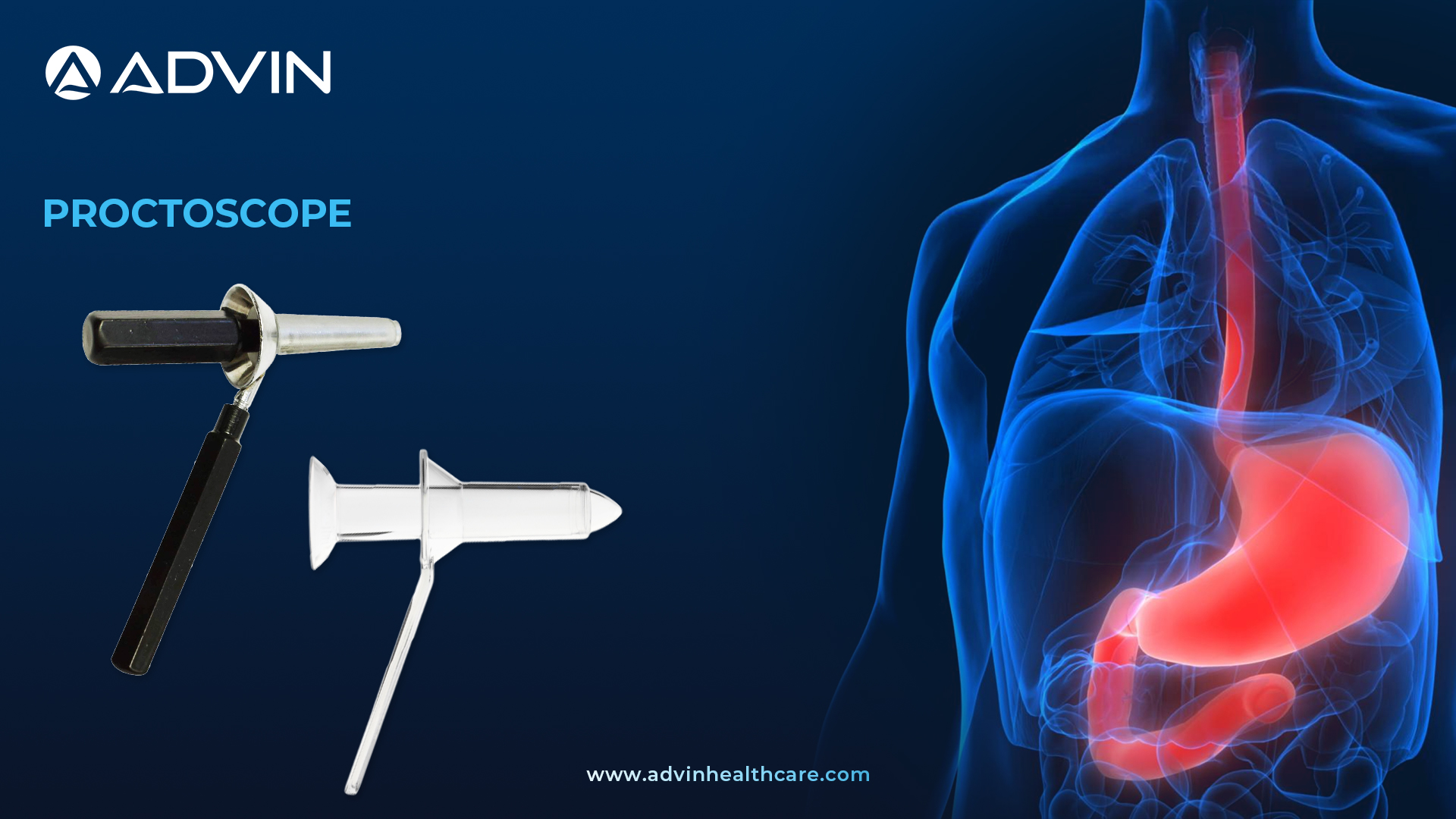
Understanding the Proctoscope - A Vital Tool in Colorectal Examination
Basic Overview of the Proctoscope
A Proctoscope is a medical instrument used to examine the anal canal, rectum, and lower part of the colon. It is a hollow, rigid tube made from either stainless steel or medical-grade plastic. The device allows doctors to visually inspect and diagnose issues in the lower gastrointestinal tract.
Product History
Proctoscopes have been used for decades in colorectal and gastrointestinal diagnosis. Early versions were metal and reusable, later evolving to include plastic, disposable options for hygiene and convenience. Over time, improvements in design and material quality have enhanced patient safety and comfort. Today, both metal and plastic Proctoscopes are widely used in hospitals and clinics.
Advin Health Care’s Versatile Proctoscope Range
Advin Health Care offers high-quality Proctoscopes designed for effective examination of the rectum and anal canal. Available in both reusable stainless steel and disposable plastic versions, these instruments cater to different clinical needs. The plastic Proctoscope is made from non-toxic, medical-grade material and comes sterile for single use. The metal version is fully autoclavable, durable, and built for repeated use. Advin Health Care ensures each Proctoscope provides safety, visibility, and convenience to healthcare professionals.
Clinical Applications of a Proctoscope
- Proctoscopy
- Hemorrhoid examination
- Anal fissure assessment
- Rectal polyp detection
- Biopsy procedures of rectal lesions
- Anoscopy
- Foreign body removal from the rectum
Instructions for Use
- Clean the area around the anus.
- Apply a medical lubricant to the Proctoscope.
- Gently insert the instrument into the rectum.
- Use the light source if available for internal visibility.
- Perform visual examination or treatment.
- Withdraw carefully after the procedure.
Sterile vs. Reusable Proctoscope: Which One to Choose?
When selecting a Proctoscope, the choice between disposable and reusable types depends on the clinical setting. Disposable plastic Proctoscopes are ideal for outpatient departments and clinics where quick, hygienic use is essential. Reusable metal Proctoscopes are preferred in surgical centers for their durability and ability to withstand sterilization. Each type serves a different purpose, but both ensure safe and effective examination of the rectal canal. Advin Health Care offers both options to meet diverse medical needs
About Advin Health Care’s Proctoscope
Advin Health Care is a leading manufacturer of Proctoscopes that meet international quality standards and provide both reusable and disposable options for efficient rectal examination procedures.
Advanced Features:
- High-quality stainless steel and plastic
- Reusable (autoclavable) and single-use options
- Non-toxic, medical-grade materials
- Sterile and hygienic design

Stripped Guide Wire – The Visual Edge for Complex Cardiac Interventions
Introduction to Stripped Guide Wire
The Stripped Guide Wire is a flexible tool used to guide catheters during heart and blood vessel procedures. Its unique striped design improves visibility under X-ray. This guide wire helps doctors move medical devices safely and accurately through the blood vessels.
History and Development
Stripped Guide Wires were introduced to solve challenges in guiding catheters through complex arteries. The striped appearance was designed to improve visibility under fluoroscopy. Over time, these wires became popular for their flexibility and control. Today, they are commonly used in heart and vascular procedures around the world.
Quick Overview
Advin Health Care manufactures reliable Stripped Guide Wires that offer excellent visibility and control in vascular procedures. The guide wire’s flexible body helps navigate curved or narrow vessels with minimal risk. It is widely used in both simple and complex cardiovascular interventions. Advin Health Care focuses on safety, quality, and clinical performance in every unit produced. This product supports efficient and precise device placement in a variety of specialties.
Common Procedures Involving Stripped Guide Wire
- Coronary angioplasty (PCI)
- Cardiac catheterization
- Peripheral vascular interventions
- Carotid artery stenting
- Renal artery angioplasty
- EVAR (Endovascular Aneurysm Repair)
- Balloon angioplasty
- TAVR (Transcatheter Aortic Valve Replacement)
- Electrophysiology procedures
- Iliac or femoral artery interventions
Step-by-Step Usage Guidelines
- Open packaging using sterile technique
- Introduce guide wire into vascular sheath or access point
- Slowly advance under imaging to desired location
- Use to guide catheter, balloon, or stent
- Remove wire once the device is in place
Frequently Paired With
- Diagnostic catheters
- Balloon catheters
- Vascular introducer sheaths
- Coronary or peripheral stents
- Contrast injectors
- Imaging systems (C-arm fluoroscopy)
- Vascular closure devices
Global Usage and Market Insights
Stripped Guide Wires are in high demand due to the rise in minimally invasive heart and vascular procedures. Hospitals prefer them for their safety, flexibility, and visibility under imaging. Usage is growing in both advanced and developing healthcare systems, especially across Asia and South America. Clinicians value these guide wires for improving accuracy in complex interventions. The market trend is shifting toward guide wires with advanced coatings and improved navigation technology.
Advin Stripped Guide Wire – Precision and Reliability
Advin Health Care is a leading manufacturer of Stripped Guide Wire, delivering smooth navigation, high visibility, and trusted performance in cardiovascular and endovascular procedures.
Key Functional Features
- Maintains shape memory at the distal tip for consistent control
- Transmits rotation from the proximal end to the distal tip for precise steerability
- Reduces surface friction for smooth insertion and withdrawal
- Supports balloon catheters, stents, and other endovascular devices
- Compatible with most standard introducer sheaths and catheters