


Citric Acid Powder – A Key Ingredient in Dialysis Care
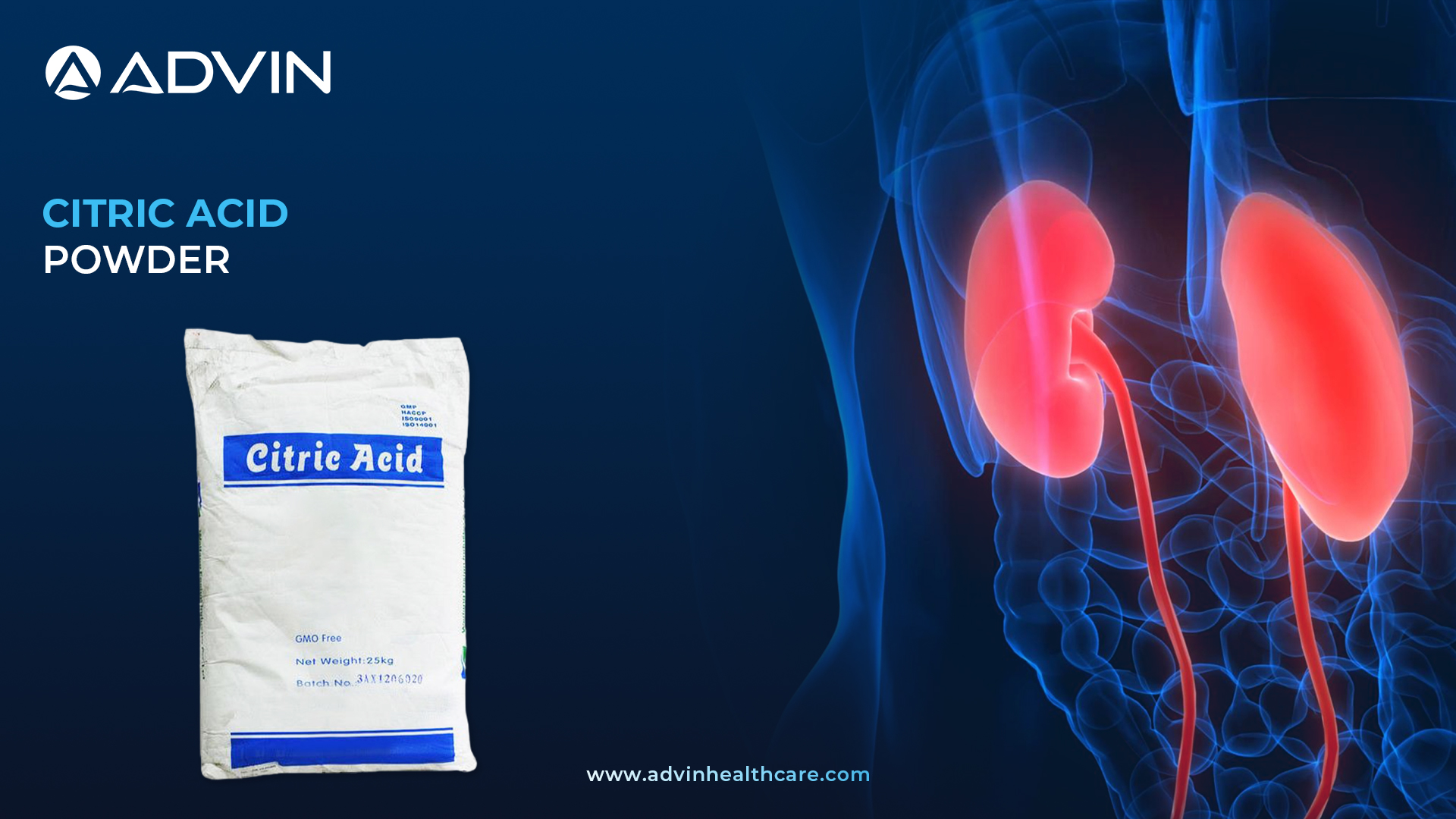
Citric Acid Powder is used to clean and descale dialysis machines. It helps remove mineral deposits and keeps the equipment safe for use. This powder is an essential part of maintaining proper hygiene in dialysis treatment.
A Brief Look at Its Medical Use
Citric acid has long been known for its natural cleaning and anti-bacterial properties. Its use in dialysis became more common as a safer alternative to chemical-based cleaners. Over the years, healthcare providers recognized its power in reducing biofilm and mineral buildup. Now, it’s a go-to product in dialysis centers worldwide.
Why Hospitals Trust Advin’s Citric Acid Powder
Advin Health Care produces premium Citric Acid Powder designed for effective dialysis equipment maintenance. It easily breaks down calcium and magnesium deposits that can harm machines. The powder mixes quickly with water, making it convenient and time-saving. Advin Health Care ensures the product is manufactured under strict quality standards for medical use. It’s a smart choice for dialysis centers that value safety and performance.
Dialysis Procedures That Require This Product
- Hemodialysis system cleaning
- CRRT (Continuous Renal Replacement Therapy) machine care
- Peritoneal dialysis setup sanitation
- Routine dialysis machine descaling
- Equipment maintenance in CKD (Chronic Kidney Disease) treatment
Essential Disposables in Mitral Valve Replacement
- Nivda Cardiac Surgery Drape
- Nivda Cardiothoracic Procedure Drape
- Nivda Sternotomy Drape
- Nivda Reinforced Fluid-Resistant Surgical Gown
- Nivda High Absorbency Disposable Drapes
- Nivda Sterile Surgical Gloves
- Nivda Suction and Fluid Collection Tubing Set
- Nivda Instrument Table Cover
- Nivda Mayo Stand Cover
- Nivda Sterile Patient Draping Sheet
Top 5 Countries Performing Mitral Valve Replacement
- United States
- Germany
- Japan
- United Kingdom
- India
Benefits of Mitral Valve Replacement
- Restoration of normal blood flow
- Relief from breathlessness and fatigue
- Prevention of heart failure progression
- Improved long-term survival
- Enhanced quality of life