


Biliary Balloon Dilator by Advin - Engineered for Accuracy
Understanding the Tool: Purpose of the Dilator in ERCP
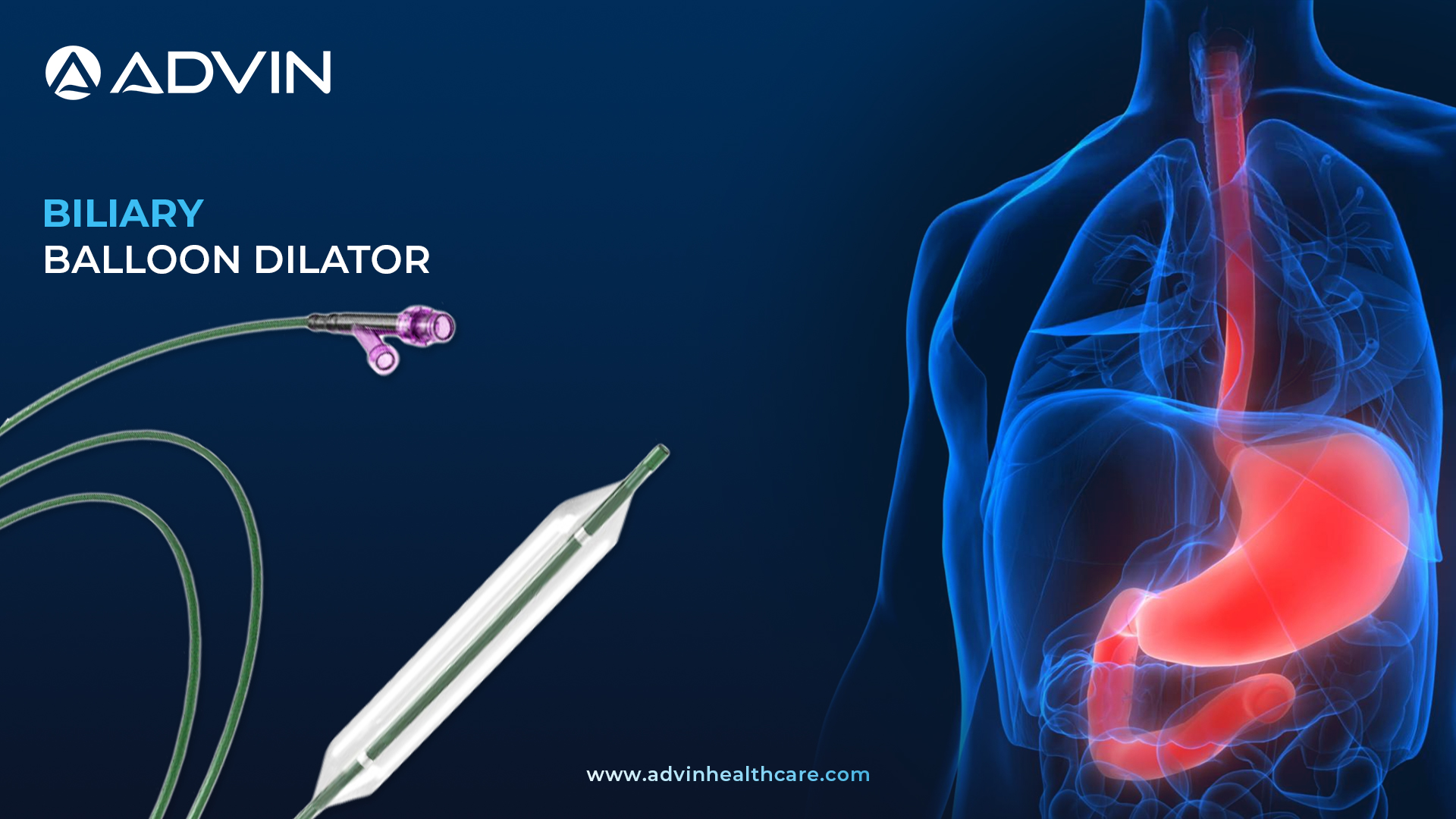
A Biliary Balloon Dilator is a medical device used to widen narrowed areas in the bile ducts during endoscopic procedures. It is introduced through an endoscope during ERCP (Endoscopic Retrograde Cholangiopancreatography). This tool helps improve bile flow by gently expanding strictures in the biliary tract.
The Journey of the Balloon Dilator in GI Procedures
Biliary dilation techniques have evolved significantly since the early days of open surgery. The introduction of balloon dilators during ERCP has made the procedure minimally invasive and more precise. Over time, balloon quality and inflation control have improved to reduce complications. These advancements have led to safer and more effective biliary stricture management worldwide.
A Closer Look at the Product
Advin Health Care provides Biliary Balloon Dilators that are built for precision and high performance during ERCP procedures. Designed with a hydrophilic coating, the dilator ensures smooth navigation through the scope. Radiopaque markers enhance visibility under X-ray, ensuring accurate placement. Each balloon is built to resist high pressure, offering controlled and reliable dilation. Advin Health Care guarantees sterile, single-use quality with individually packed units for maximum safety.
Surgeries using Biliary Balloon Dilator
- ERCP (Endoscopic Retrograde Cholangiopancreatography)
- Biliary Stricture Dilation
- Stone Removal Assistance
- Pre-stenting Biliary Procedures
- Bile Duct Obstruction Relief
Quick Use Instructions
- Prepare the balloon by flushing with saline
- Insert the dilator through the endoscope channel
- Position it across the stricture under fluoroscopic guidance
- Inflate the balloon to the required pressure level
- Hold for recommended duration, then deflate and withdraw
Commonly Used Terms for the product
ERCP Balloon Dilator, Biliary Dilation Balloon, Bile Duct Dilating Balloon, High-Pressure Biliary Balloon, Endoscopic Balloon Catheter
Commonly Paired Instruments in ERCP
During ERCP procedures, the Biliary Balloon Dilator is often used alongside essential tools to ensure precise and safe outcomes. A guide wire helps in accurate placement, while the ERCP cannula facilitates access to the bile duct. Contrast media is used to visualize the duct under imaging. Sphincterotomes assist in cutting or enlarging the duct opening, and biliary stents are placed post-dilation to maintain duct patency. For stone-related cases, a stone extraction basket is commonly added.
Advin Biliary Balloon Dilator Description
Advin Health Care is a leading manufacturer of Biliary Balloon Dilators, offering high-performance, sterile, and single-use devices designed for effective dilation during ERCP procedures.
Enhanced Design Features:
- Hydrophilic coating for smooth insertion
- Radiopaque marker for precise X-ray visibility
- High-pressure resistance with accurate dilation
- Sterile, single-use, and individually packed for safety

Understanding the Proctoscope - A Vital Tool in Colorectal Examination
Basic Overview of the Proctoscope
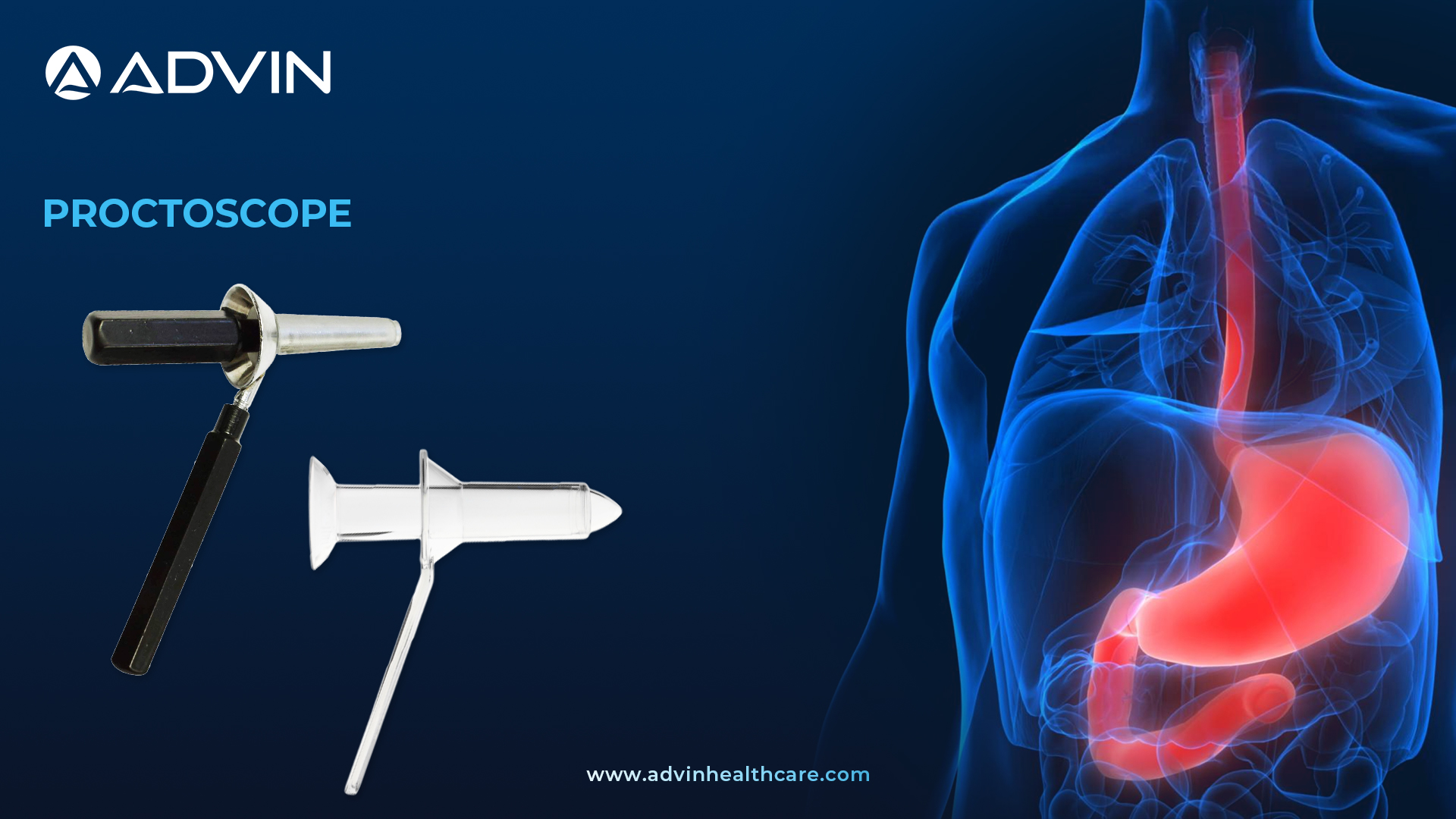
A Proctoscope is a medical instrument used to examine the anal canal, rectum, and lower part of the colon. It is a hollow, rigid tube made from either stainless steel or medical-grade plastic. The device allows doctors to visually inspect and diagnose issues in the lower gastrointestinal tract.
Product History
Proctoscopes have been used for decades in colorectal and gastrointestinal diagnosis. Early versions were metal and reusable, later evolving to include plastic, disposable options for hygiene and convenience. Over time, improvements in design and material quality have enhanced patient safety and comfort. Today, both metal and plastic Proctoscopes are widely used in hospitals and clinics.
Advin Health Care’s Versatile Proctoscope Range
Advin Health Care offers high-quality Proctoscopes designed for effective examination of the rectum and anal canal. Available in both reusable stainless steel and disposable plastic versions, these instruments cater to different clinical needs. The plastic Proctoscope is made from non-toxic, medical-grade material and comes sterile for single use. The metal version is fully autoclavable, durable, and built for repeated use. Advin Health Care ensures each Proctoscope provides safety, visibility, and convenience to healthcare professionals.
Clinical Applications of a Proctoscope
- Proctoscopy
- Hemorrhoid examination
- Anal fissure assessment
- Rectal polyp detection
- Biopsy procedures of rectal lesions
- Anoscopy
- Foreign body removal from the rectum
Instructions for Use
- Clean the area around the anus.
- Apply a medical lubricant to the Proctoscope.
- Gently insert the instrument into the rectum.
- Use the light source if available for internal visibility.
- Perform visual examination or treatment.
- Withdraw carefully after the procedure.
Sterile vs. Reusable Proctoscope: Which One to Choose?
When selecting a Proctoscope, the choice between disposable and reusable types depends on the clinical setting. Disposable plastic Proctoscopes are ideal for outpatient departments and clinics where quick, hygienic use is essential. Reusable metal Proctoscopes are preferred in surgical centers for their durability and ability to withstand sterilization. Each type serves a different purpose, but both ensure safe and effective examination of the rectal canal. Advin Health Care offers both options to meet diverse medical needs
About Advin Health Care’s Proctoscope
Advin Health Care is a leading manufacturer of Proctoscopes that meet international quality standards and provide both reusable and disposable options for efficient rectal examination procedures.
Advanced Features:
- High-quality stainless steel and plastic
- Reusable (autoclavable) and single-use options
- Non-toxic, medical-grade materials
- Sterile and hygienic design
Gastrostomy Replacement Tubes in Modern Enteral Nutrition Care
Gastrostomy Replacement Tube
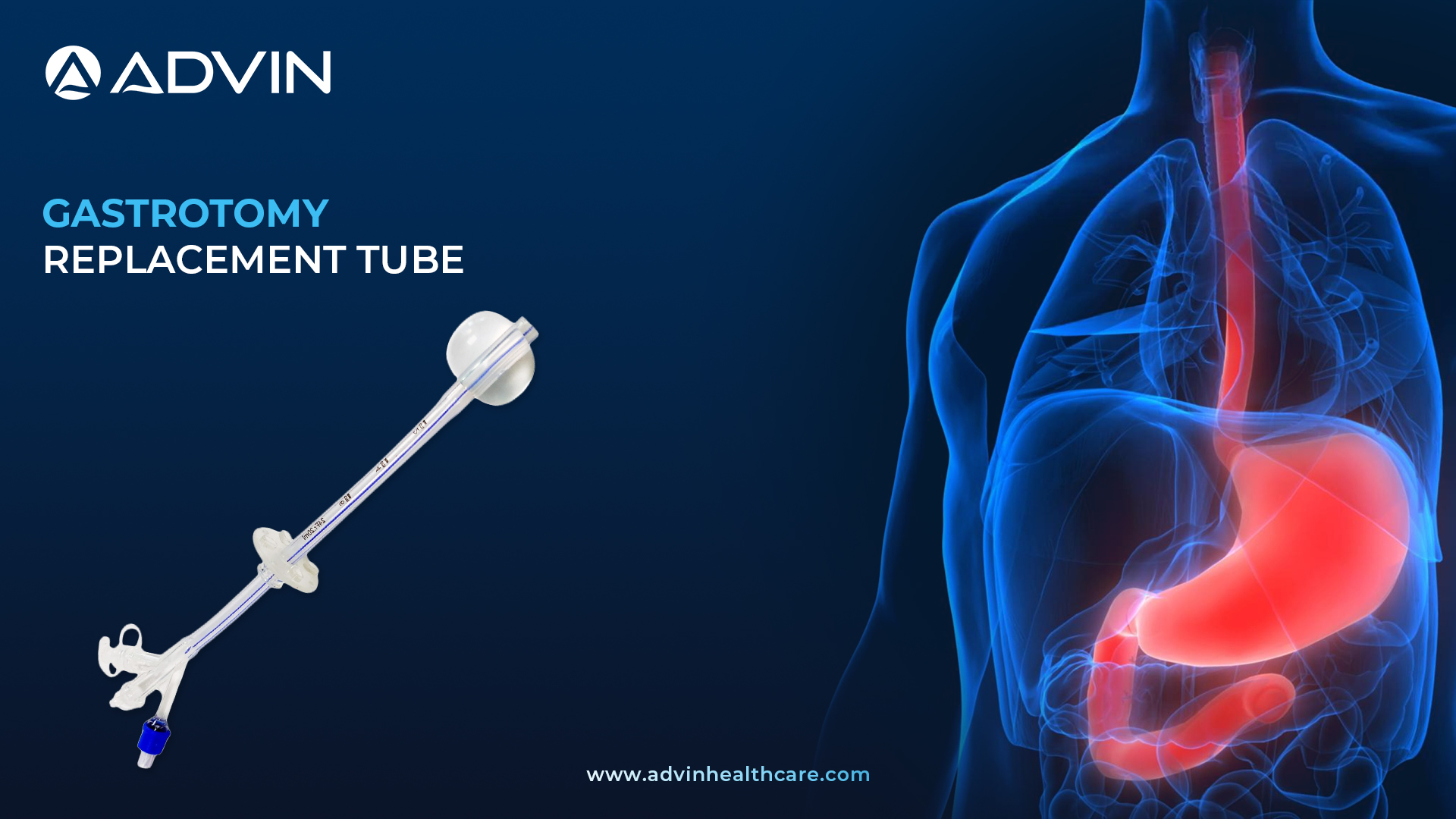
A Gastrostomy Replacement Tube is used to deliver nutrition directly into the stomach of patients who cannot eat by mouth. It is inserted through an existing gastrostomy stoma and can be replaced when the original feeding tube is removed or no longer functional. These tubes are designed for patient comfort and ease of use during long-term nutritional care.
Evolution of Gastrostomy Tubes
Gastrostomy feeding dates back to the late 1800s, but the use of replacement tubes became more common with advancements in endoscopic technology. Earlier rigid tubes have evolved into softer, balloon-based designs that are easier to place and remove. The development of silicone materials and radiopaque markings improved both comfort and placement accuracy. Today, replacement gastrostomy tubes are standard in managing long-term enteral feeding needs.
Why Advin’s Gastrostomy Tubes Stand Out?
Advin Health Care provides high-quality Gastrostomy Replacement Tubes designed for safe and effective enteral feeding. These tubes feature a unique tri-funnel design with a 20cc balloon for secure placement and easier removal. The translucent silicone tubing allows visibility to detect blockages or residue. Advin Health Care also includes an adjustable external bolster to accommodate different patient anatomies. With radiopaque markings and a separate medication port, the tube ensures accurate placement and convenient multi-channel use.
Surgeries Related to Product
- Percutaneous Endoscopic Gastrostomy (PEG) Replacement
- Endoscopic Gastrostomy Tube Change
- Long-term Nutritional Access Procedures
- Enteral Feeding Management
Basic Steps for Using a G-Tube Replacement
- Check the balloon integrity before insertion
- Lubricate the tube and gently insert through the stoma
- Inflate the balloon with the recommended volume of sterile water
- Adjust the external bolster to sit comfortably against the skin
- Confirm placement using x-ray if needed
Clinical Advantages of G-Tube Replacements
- Enables long-term nutritional support for patients unable to eat orally
- Balloon design makes removal and replacement less painful
- Separate medication port reduces the risk of feeding interruptions
- Radiopaque features support accurate x-ray confirmation
- Adjustable external bolster improves patient comfort and fit
- Transparent tubing helps identify blockages early
- Reduces hospital readmission for feeding-related complications
- Compatible with most standard feeding systems
Advin Gastrostomy Replacement Tube Description
Advin Health Care is a leading manufacturer of Gastrostomy Replacement Tubes, offering high-quality, patient-friendly solutions for safe and reliable long-term enteral feeding access.
Key Features
- 3-way funnel design with 20cc balloon
- Clear silicone tube to spot blockages easily
- Adjustable stopper for better fit on the skin
- X-ray visible markings for correct placement
- Extra port for giving medicine
Sclerotherapy Needle - A Key Tool for Gastrointestinal Bleeding Management
What is a Sclerotherapy Needle?
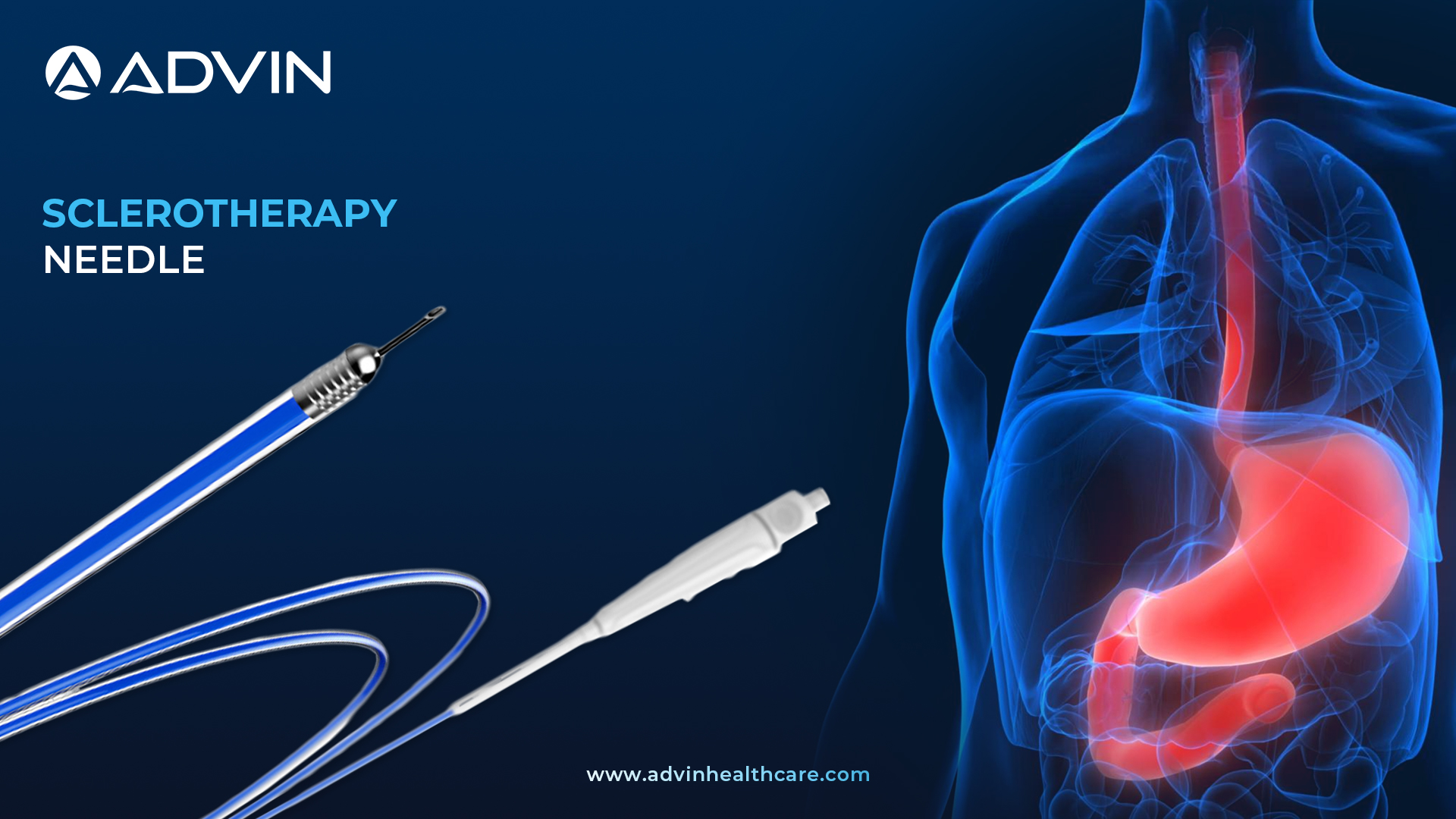
A Sclerotherapy Needle is a medical device used to inject sclerosing agents into targeted areas of the gastrointestinal tract. It plays a crucial role in controlling gastrointestinal bleeding during endoscopic procedures. The needle is especially effective in treating esophageal varices, gastric varices, and bleeding lesions.
A Brief History of Sclerotherapy Needles
Sclerotherapy as a treatment method has been used since the early 20th century, initially for varicose veins. The development of specialized sclerotherapy needles for gastrointestinal use gained momentum with advancements in endoscopic techniques. Over time, these needles have evolved to include improved locking systems and more ergonomic designs. Today, they are widely used in GI bleeding management worldwide.
Engineered for Accuracy in Gastrointestinal Interventions
Advin Health Care offers high-quality Sclerotherapy Needles for safe and effective GI bleeding control. These needles are designed for precise sclerosing agent delivery, featuring a beveled tip for smooth and accurate injection. The locking system ensures stable performance during endoscopic procedures. Advin Health Care’s Sclerotherapy Needle can be operated with one hand, offering excellent control and ease for endoscopists. Each needle is sterile, individually packed, and available in a range of sizes to suit different clinical needs.
Endoscopic Uses of the Sclerotherapy Needle
- Endoscopic Injection Sclerotherapy (EIS)
- Treatment of Esophageal Varices
- Gastric Variceal Bleeding Management
- Endoscopic Hemostasis
- GI Bleeding Control Procedures
Instructions for Use
- Open the sterile package carefully before use
- Connect the needle to the endoscope injection port
- Extend the needle using the handle system
- Inject the sclerosing agent directly into the bleeding site
- Retract the needle and remove it safely after the procedure
Medical Advantages of Sclerotherapy Needles
- Provides targeted treatment of bleeding lesions
- Reduces the need for more invasive surgical procedures
- Enhances control during endoscopic sclerotherapy
- Improves patient safety and outcomes during GI bleeding
- Compatible with standard endoscope channels
- Promotes faster patient recovery and shorter hospital stays
How Sclerotherapy Differs from Band Ligation
Sclerotherapy uses a needle to inject a sclerosing agent into bleeding varices, causing them to shrink. Band ligation, on the other hand, places rubber bands around the varices to cut off blood flow. Sclerotherapy is often used during active bleeding, while banding is preferred for prevention. Both are effective but used based on clinical need.
Advin Sclerotherapy Needle Description
Advin Health Care is a leading manufacturer of Sclerotherapy Needles designed for accurate and effective sclerosing agent delivery during endoscopic treatment of GI bleeding and varices.
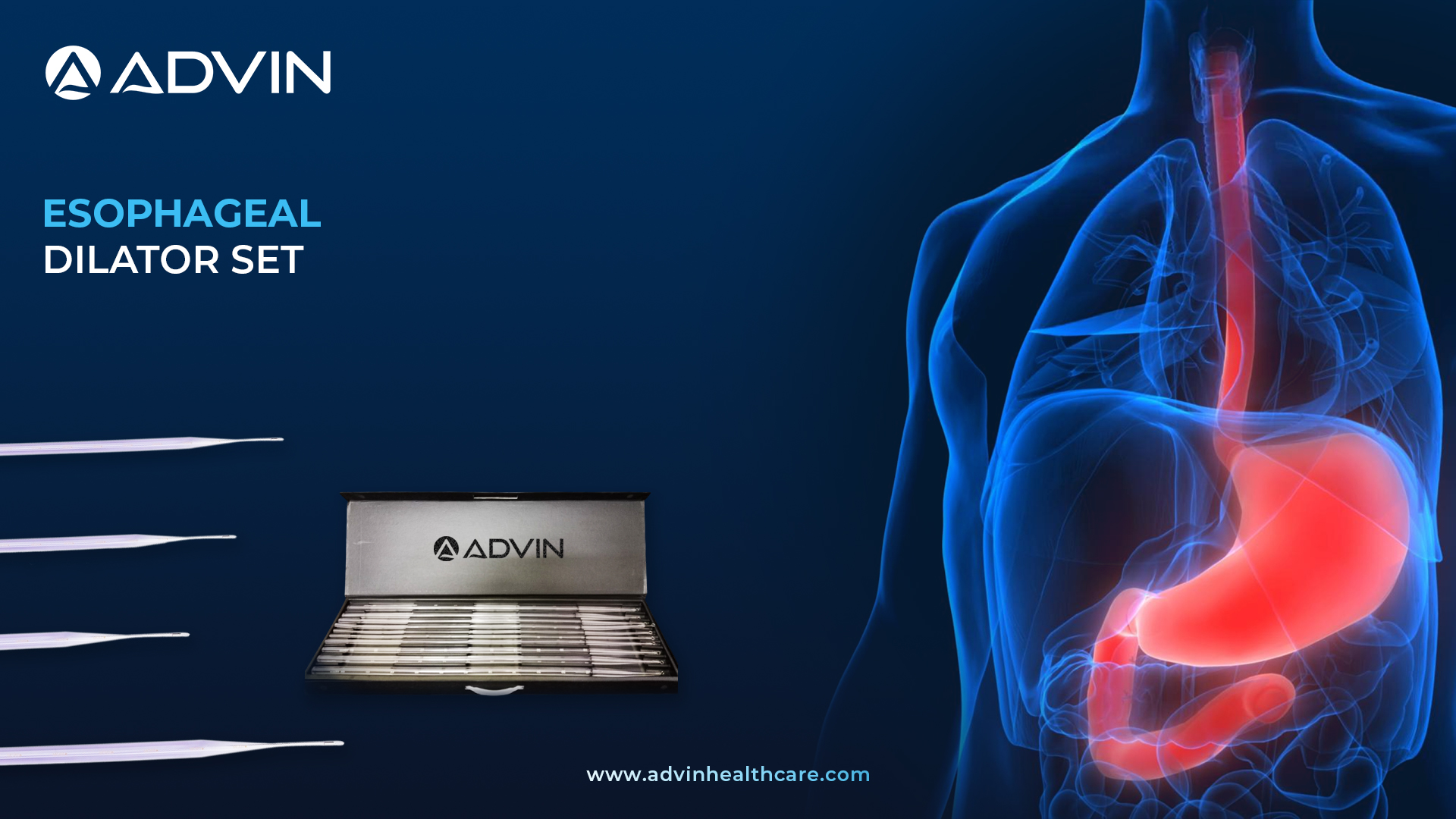
Esophageal Dilator Set - A Safe and Effective Solution for Treating Swallowing Difficulties
What is an Esophageal Dilator Set?
An Esophageal Dilator Set is a medical device used to widen narrowed areas (strictures) in the esophagus. It typically includes a cylindrical dilator that slides over a guidewire or string for controlled placement. The set is essential for treating swallowing difficulties caused by benign or malignant strictures.
Evolution of Esophageal Dilation Devices
The use of esophageal dilators dates back to the early 19th century, when mechanical dilation was first introduced to relieve esophageal narrowing. Over time, materials and design have improved significantly, allowing for safer, more controlled dilation. Modern dilators are now radiopaque and highly flexible, enhancing accuracy and patient comfort. The introduction of guidewire-assisted systems has further advanced the reliability of esophageal dilation procedures.
Comprehensive Range for Reliable GI Access
Advin Health Care provides a high-quality Esophageal Dilator Set designed for safe and effective treatment of esophageal strictures. This device features transparent, flexible material and is compatible with a super elastic guide wire for easy insertion. Advin Health Care ensures radiopaque markers are included for accurate placement under X-ray guidance. The dilators are available in various sizes, offering clinicians options for different stricture conditions. Their smooth surface and balanced firmness allow for easy passage without causing trauma.
Clinical Uses of the Dilator Set
- Esophageal Stricture Dilation
- Dysphagia Treatment Procedures
- Benign Esophageal Stenosis Management
- Post-Surgical Esophageal Narrowing Correction
- Gastrointestinal Tract Dilation
Instructions for Use
- Choose the appropriate dilator size based on patient assessment
- Insert the guidewire gently into the esophagus under fluoroscopic guidance
- Slide the dilator over the guidewire to the stricture site
- Allow the dilator to pass smoothly through the narrowing
- Withdraw carefully after dilation is achieved
Key Devices Used with Esophageal Dilator in Endoscopic Procedures
During endoscopic esophageal dilation, several supporting instruments are used to ensure safety and precision. A guide wire is inserted first to help guide the dilator smoothly into the stricture area. A gastroscope (endoscope) is used before and after the procedure for visual confirmation and to check for any complications. Fluoroscopy with contrast agent helps in real-time positioning of the dilator, while a patient bite block protects the scope and prevents injury.
Product Also Known As
Esophageal Bougie Dilator, Gastrointestinal Dilator Set, Esophageal Stricture Dilator, GI Dilator Kit, Bougie Dilator Set, Guidewire Esophageal Dilator
Advin Esophageal Dilator Set Description
Advin Health Care is a leading manufacturer of the Esophageal Dilator Set, offering safe, radiopaque, and flexible instruments for the effective dilation of esophageal strictures.
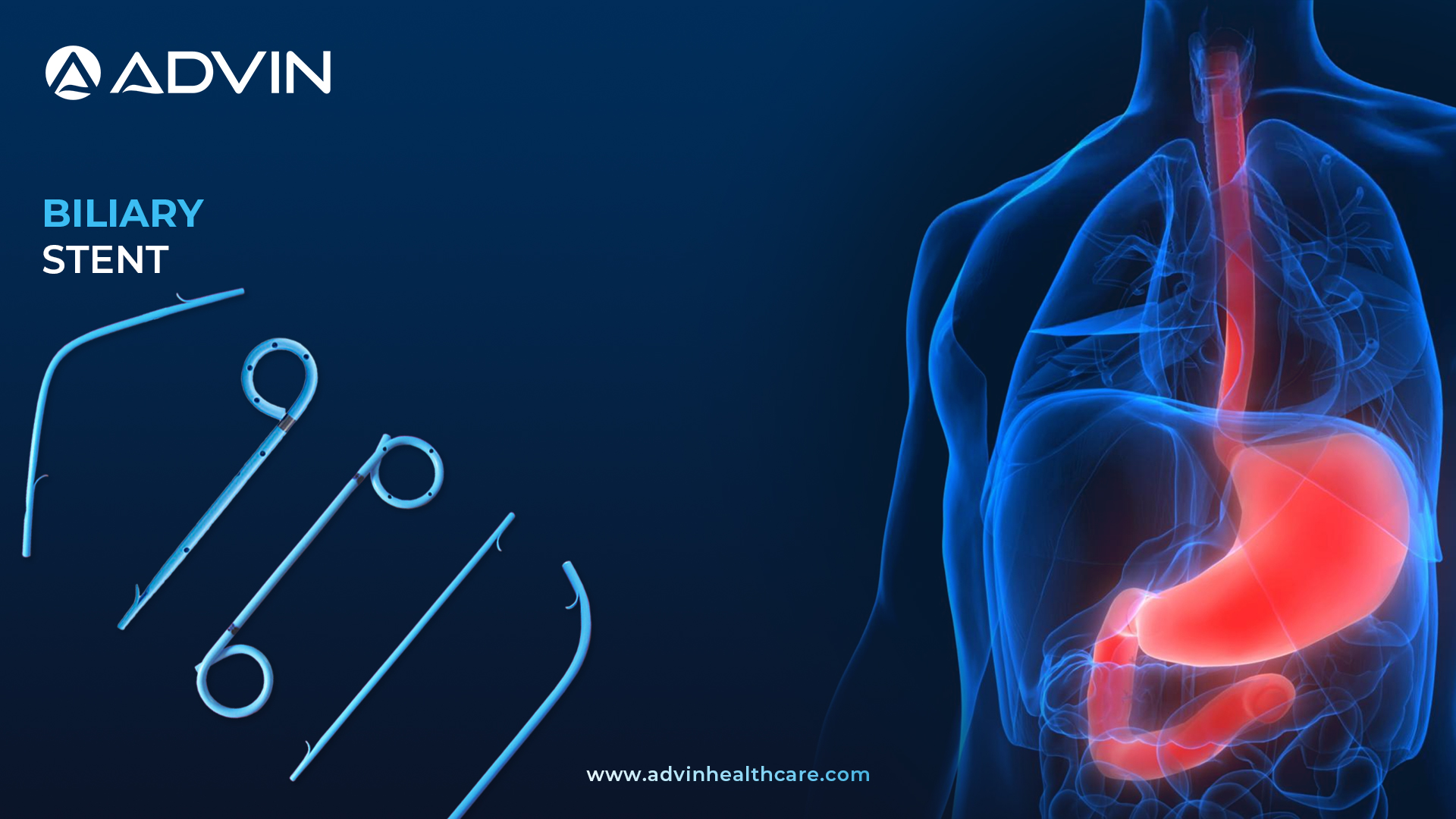
Biliary Stents - Applications and Benefits in Gastroenterology
Introduction to Biliary Stents
A biliary stent is a small, tube-like device used to open blocked bile ducts. It helps restore the normal flow of bile from the liver to the intestine. These stents are commonly used in procedures like ERCP to treat bile duct obstructions caused by stones, strictures, or tumors.
History of Biliary Stents in Medical Use
Biliary stents were first introduced in the 1970s as a palliative treatment for obstructive jaundice. Over the years, stent design has evolved from basic plastic models to advanced self-expandable metallic stents. Improvements in imaging and endoscopic techniques have enhanced their placement accuracy. Today, biliary stenting is a standard, minimally invasive treatment in gastroenterology and hepatobiliary practices.
Biliary Stent Specifications
Advin Health Care offers high-quality biliary stents designed to manage bile duct blockages effectively. These stents are available in different materials such as plastic or metal, offering flexibility based on patient needs. The smooth surface of the stent ensures minimal trauma during insertion and removal. Advin Health Care biliary stents are radiopaque, allowing clear visualization during placement. They are sterile, single-use devices, commonly used in both benign and malignant biliary conditions.
Stent-Related Surgeries
- Endoscopic Retrograde Cholangiopancreatography (ERCP)
- Bile Duct Stone Removal
- Management of Biliary Strictures
- Palliative Treatment of Biliary Cancer
- Management of Post-Surgical Bile Leaks
How to Use Biliary Stents
- Select the appropriate stent size based on the clinical requirement
- Insert the guide wire into the bile duct under fluoroscopic guidance
- Advance the stent over the guide wire to the desired location
- Confirm the stent placement radiologically
- Remove the delivery system carefully
Advantages of Using Biliary Stents in Practice
- Rapid relief from obstructive jaundice symptoms
- Minimally invasive alternative to surgery
- Reduces the risk of cholangitis and biliary sepsis
- Supports bile flow restoration in malignant or benign conditions
- Customizable stent types for different clinical scenarios
- Enhanced patient recovery and reduced hospital stays
Alternative Names for Biliary Stents
Biliary Drainage Stent, ERCP Biliary Stent, Plastic Bile Duct Stent, Metallic Biliary Stent, Bile Duct Tube, Bile Stent, Endoscopic Biliary Stent, Hepatic Stent, CBD Stent, Pancreaticobiliary Stent
Advin Biliary Stent Description
Advin Health Care is a leading manufacturer of biliary stents that provide reliable and effective drainage in obstructed bile ducts, supporting safe and efficient endoscopic treatment for both benign and malignant conditions.
Available Types : Straight , Standard , Amsterdam, Pancreatic, Single Pigtail, Double Pigtail type
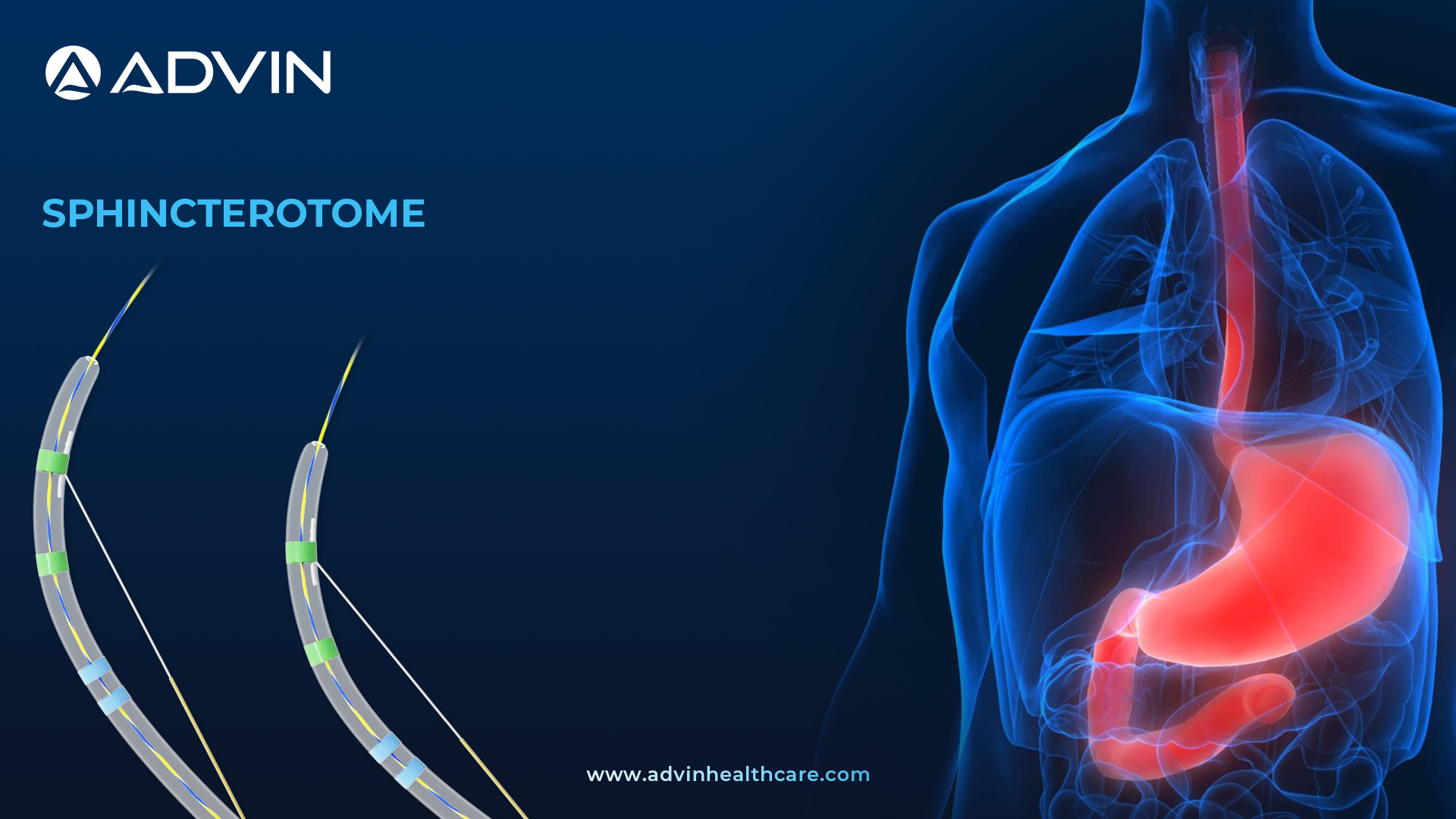
Sphincterotome in ERCP - An Important Tool for Biliary Access by Advin Health Care
A First Look at the Sphincterotome
A Sphincterotome is a specialized endoscopic device used to access the bile and pancreatic ducts. It helps in performing sphincterotomy during ERCP procedures. The device aids in selective cannulation of the biliary ductal system for further therapeutic interventions.
How the Sphincterotome Became a Standard Tool in ERCP
Sphincterotomes have been in clinical use since the 1970s with the development of ERCP techniques. Over time, the design has evolved to improve precision, control, and safety. The incorporation of monofilament cutting wires and flexible tips made procedures smoother. Today, sphincterotomes are standard tools in therapeutic gastroenterology.
Beyond Basics: What Sets Advin’s Sphincterotome Apart
Advin Health Care provides high-quality Sphincterotomes used in ERCP procedures for cutting the sphincter of Oddi. The device ensures precise incision and improved duct access with minimal trauma to surrounding tissues. It features an insulated needle and electrosurgical cutting wire, allowing safe and effective sphincterotomy. Advin Health Care ensures each unit is sterilized and ready for single-use application. The product is trusted by gastroenterologists for its consistent performance and ergonomic design.
Common Procedures Using Sphincterotome
- Endoscopic Retrograde Cholangiopancreatography (ERCP)
- Sphincterotomy
- Biliary stone removal procedures
- Biliary stent placement
- Common bile duct dilation
Instructions for Use
- Open the sterile pack and inspect the sphincterotome.
- Connect the handle to the electrosurgical unit if using the cutting feature.
- Insert the sphincterotome through the endoscope’s working channel.
- Navigate to the desired location in the bile or pancreatic duct.
- Use the cutting wire to perform sphincterotomy.
- After the incision, proceed with other endoscopic accessories as needed.
What Else is a Sphincterotome Called?
ERCP Sphincterotome, Endoscopic Sphincterotomy Knife, Biliary Sphincterotome, Triple Lumen Sphincterotome, Double Lumen Cannulating Sphincterotome, Precut Sphincterotome, Biliary Access Knife
Sphincterotome vs. Needle Knife: Key Differences
The sphincterotome is commonly used in ERCP for standard duct access and controlled cutting. It allows guided cannulation, often with a guidewire, and is ideal for routine procedures. The needle knife, on the other hand, is used when direct access is not possible with the standard approach. It provides a fine, precise incision and is typically chosen in more complex or advanced cases. Both tools are important in endoscopic procedures but are selected based on the clinical situation.
Advin Sphincterotome Description
Advin Health Care is a leading manufacturer of Sphincterotomes that are trusted for their precision, safety, and compatibility with advanced endoscopic procedures.
Advanced Features
- SS monofilament cutting wire (30 mm)
- Optional protective insulation sheath
- Precurved tapered tip for smooth access
- Available in double and triple lumen
- Sterile (ETO), single-use, and individually packed
- Designed for use at normal body temperature
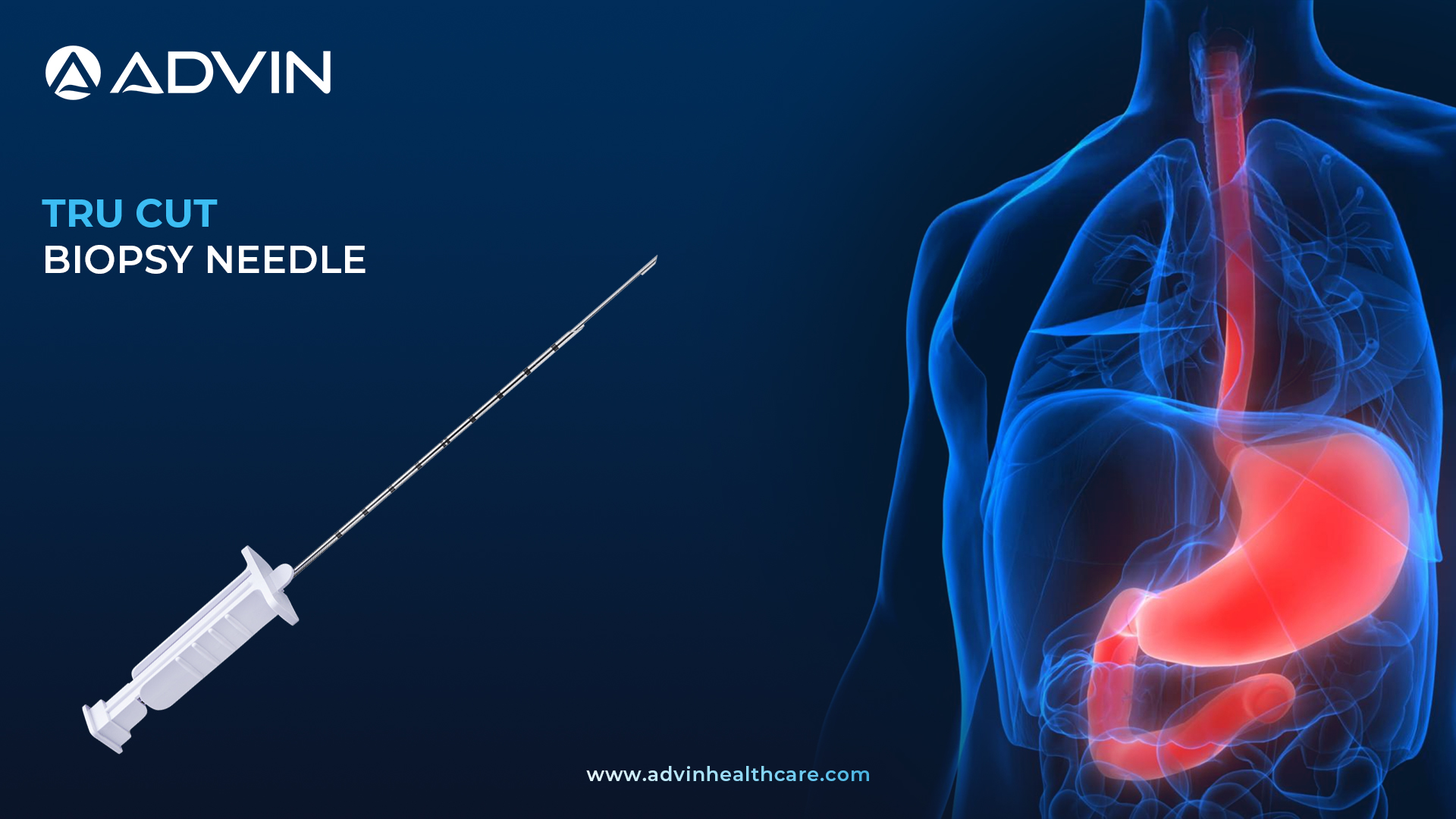
Advin Tru Cut Biopsy Needle - A Trusted Tool for Accurate Tissue Diagnosis
Understanding the Basics of Tru Cut Biopsy
A Tru Cut Biopsy Needle is a medical device used to collect tissue samples from the body for examination. It is commonly used in core needle biopsy procedures to diagnose diseases like cancer. The needle is designed to remove a small, solid tissue sample from organs such as the liver, lungs, or muscles.
A Brief History of Core Needle Biopsies
The concept of core needle biopsy dates back to the mid-20th century as a less invasive alternative to open surgical biopsies. Over time, Tru Cut biopsy needles were developed to improve sample accuracy and patient comfort. Modern versions are made from stainless steel and allow multiple sample collections. These innovations have made the procedure faster and more reliable.
Why Choose Advin Tru Cut Biopsy Needle?
Advin Health Care offers the Tru Cut Biopsy Needle with high precision and clinical reliability. The needle features a 20 mm specimen notch and is built with a thin-wall design to extract a larger core sample. Its stainless steel body ensures strength and sterility. The device allows easy stylet removal and enables multiple sampling with a single insertion. Advin Health Care delivers this product sterile and individually packaged for patient safety.
Common Clinical Applications
- Liver Biopsy
- Lung Biopsy
- Kidney Biopsy
- Prostate Biopsy
- Breast Biopsy
- Muscle Biopsy
- Bone Marrow Biopsy
- Soft Tissue Mass Biopsy
A Step-by-Step Procedural Overview
- Open sterile packaging immediately before use
- Identify and mark the biopsy site
- Insert the needle carefully into the targeted area
- Use the stylet to collect the tissue sample
- Remove the needle and secure the sample for lab analysis
The Diagnostic Advantage
- Enables accurate diagnosis with minimal invasiveness
- Reduces patient recovery time compared to surgical biopsy
- Allows multiple samples in one insertion for better analysis
- Designed for high precision with minimal tissue trauma
- Compatible with ultrasound and CT-guided procedures
- Ideal for both deep and superficial tissue sampling
Common Terminology for Biopsy Needle
Core biopsy needle, tru-cut needle, automatic biopsy needle, soft tissue biopsy needle, stainless steel biopsy needle, spring-loaded biopsy needle, semi-automatic biopsy needle, tissue sampling needle, reusable core needle, coaxial biopsy needle
Tru Cut Biopsy Needle by Advin: Designed for Accuracy
Advin Health Care is a leading manufacturer of Tru Cut Biopsy Needle designed for precision tissue sampling in diagnostic procedures, offering sterile, easy-to-use devices suitable for various clinical applications.
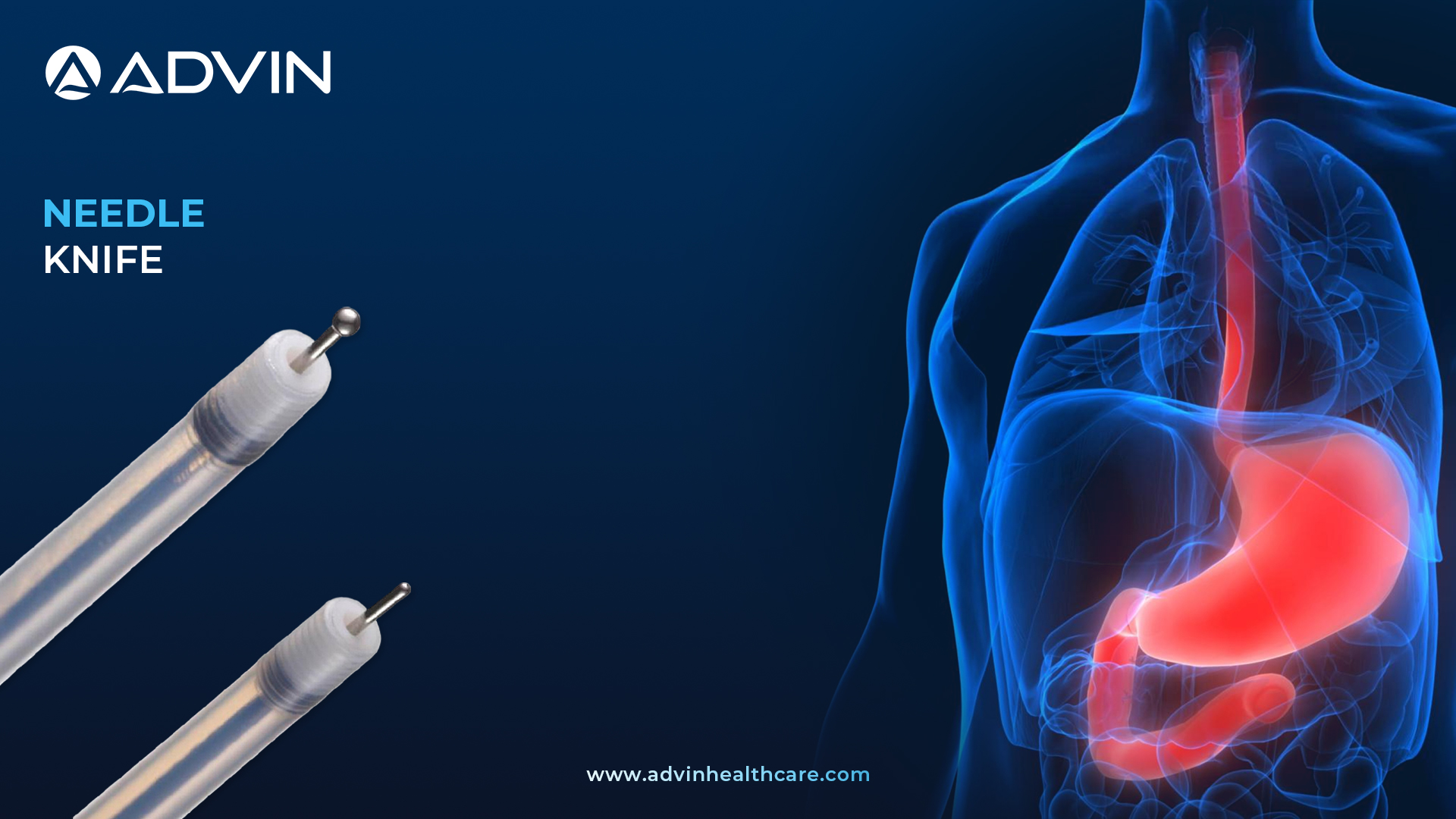
Needle Knife in ERCP - Precision Access for Complex Biliary Procedures
What is a Needle Knife?
A needle knife is a specialized endoscopic accessory designed for precise incisions in the gastrointestinal tract. It is mainly used during ERCP when traditional access to the bile or pancreatic ducts is difficult. The fine electrosurgical tip allows safe and accurate entry into the ducts.
From Surgery to Endoscopy: History of the Needle Knife
The needle knife was introduced as an advancement in endoscopic technology to assist in complex biliary and pancreatic procedures. Earlier techniques were limited in precision, often requiring surgical intervention. Over time, the design improved with electrosurgical compatibility, refined tips, and enhanced safety features. Today, it is a key tool for gastroenterologists performing advanced ERCP.
Product Highlights: Needle Knife by Advin
Advin Health Care offers high-quality Needle Knives designed for effective and controlled precut access during ERCP procedures. The product ensures excellent precision with its 5 mm cutting wire and electrosurgical compatibility. Advin Health Care manufactures the Needle Knife in various tip designs including tapered, hook, and ball tip to suit procedural requirements. Each unit is sterile, single-use, and individually packed for safe and hygienic application.
Surgeries Related to Product
- Endoscopic Retrograde Cholangiopancreatography (ERCP)
- Biliary Sphincterotomy
- Pancreatic Duct Access Procedures
- Precut Papillotomy
- Biliary Decompression Procedures
Essential Disposables in Mitral Valve Replacement
- Nivda Cardiac Surgery Drape
- Nivda Cardiothoracic Procedure Drape
- Nivda Sternotomy Drape
- Nivda Reinforced Fluid-Resistant Surgical Gown
- Nivda High Absorbency Disposable Drapes
- Nivda Sterile Surgical Gloves
- Nivda Suction and Fluid Collection Tubing Set
- Nivda Instrument Table Cover
- Nivda Mayo Stand Cover
- Nivda Sterile Patient Draping Sheet
Top 5 Countries Performing Mitral Valve Replacement
- United States
- Germany
- Japan
- United Kingdom
- India
Benefits of Mitral Valve Replacement
- Restoration of normal blood flow
- Relief from breathlessness and fatigue
- Prevention of heart failure progression
- Improved long-term survival
- Enhanced quality of life
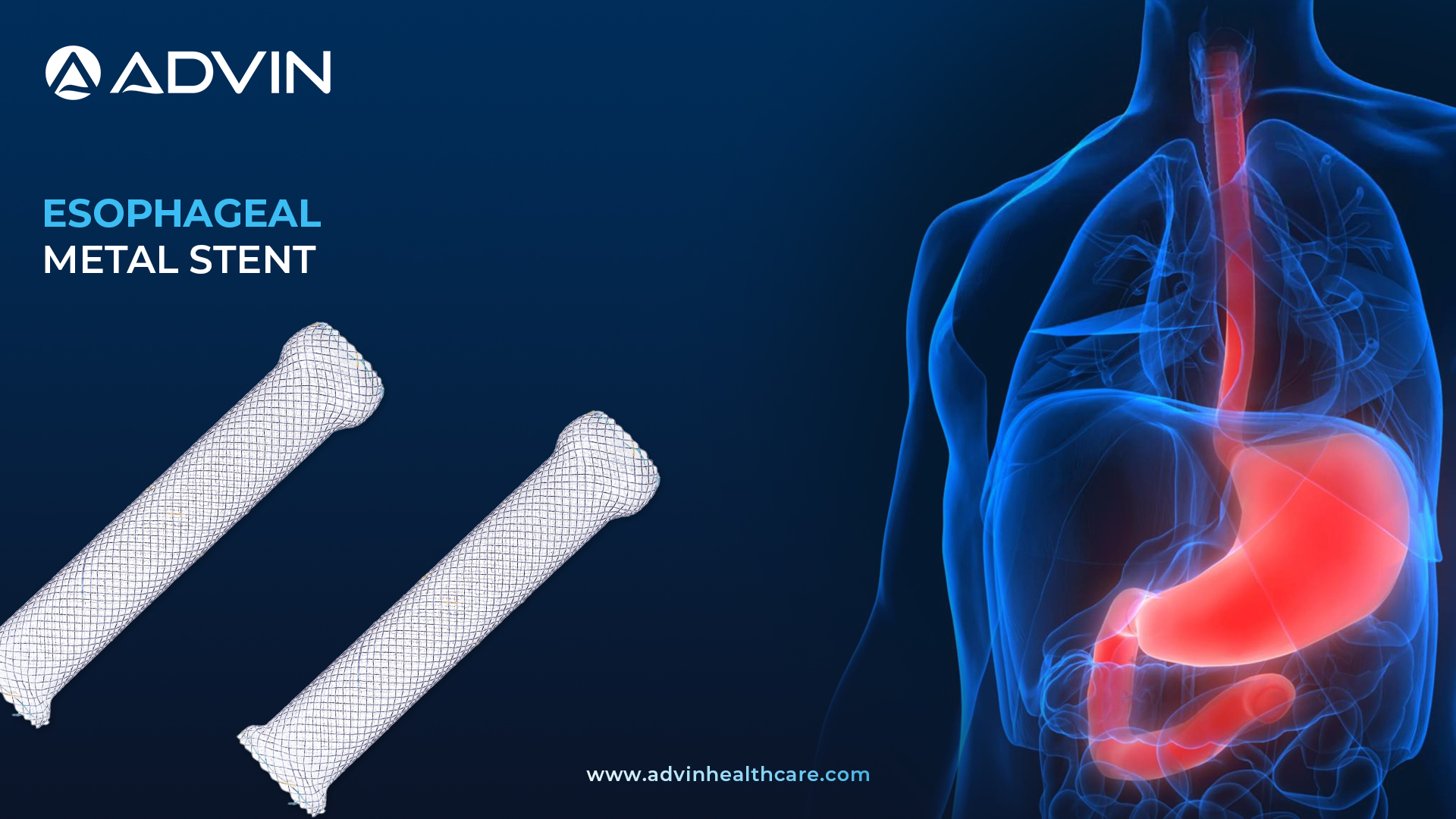
Esophageal Metal Stents - Restoring Swallowing and Enhancing Patient Care
Esophageal Metal Stents
The Esophageal Metal Stent is a specialized medical device used to keep the esophagus open in patients with strictures or blockages. It is designed with a strong, flexible metal structure that adapts to the esophageal shape. The stent is available in fully, partially, and uncovered types for various clinical needs.
Product Evolution and Development
The idea of using stents in the esophagus has been around for many years, with initial models being fairly basic. Major progress was made in the late 1900s with the introduction of self-expanding metal stents (SEMS), which improved both flexibility and placement techniques. Since then, newer designs with covering options and better materials have been developed to improve results and minimize risks. These continuous improvements aim to make treatment more effective and comfortable for patients.
Why Choose Advin Health Care’s Esophageal Metal Stents?
Advin Health Care offers Esophageal Metal Stents that combine clinical reliability with patient-centered design. These stents are fully coated with silicone to help prevent tumor ingrowth and reduce food blockage, making them suitable for long-term use. The structure supports repositioning during placement, giving clinicians more control and accuracy. With flared ends and optimal radial force, the stent remains secure while effectively expanding the esophageal passage. Advin Health Care ensures each stent features a hook-and-cross design that allows gradual expansion for a smooth and comfortable fit.
Common Surgical Applications
The Esophageal Metal Stent is commonly used in:
- Esophageal cancer surgery
- Palliative care for malignant strictures
- Management of benign esophageal strictures
- Treatment of esophageal fistulas
- Post-surgical esophageal narrowing
Basic Instructions for Use
- Choose the appropriate stent size based on patient anatomy.
- Insert the stent over a guidewire using endoscopic guidance.
- Gradually deploy the stent while monitoring placement.
- Use the retrieval lasso for repositioning if required.
- Confirm final positioning with fluoroscopic or endoscopic imaging.
Choosing the Right Esophageal Stent: Fully vs. Partially Covered
The choice between fully and partially covered esophageal stents depends on the patient’s condition and treatment goal. Fully covered stents help prevent tumor ingrowth and are easier to reposition or remove. Partially covered stents offer stronger anchorage and reduce the risk of migration. The final selection is made by the healthcare provider based on clinical needs.
Advin Esophageal Metal Stents Description
Advin Health Care is a prominent manufacturer of Esophageal Metal Stents, offering solutions that meet both clinical precision and patient comfort. These stents are available in a wide range of lengths and designs to suit diverse anatomical and therapeutic requirements. Built with superior materials and engineering, Advin’s stents are trusted by healthcare providers globally.